
Ghana EOCO: Baffour Awuah Warrant Arrest Draws Criticism
Summary
- The Economic and Organised Crime Office (EOCO) attempted to arrest Manhyia South MP Nana Agyei Baffour Awuah at the Accra High Court on September 23.
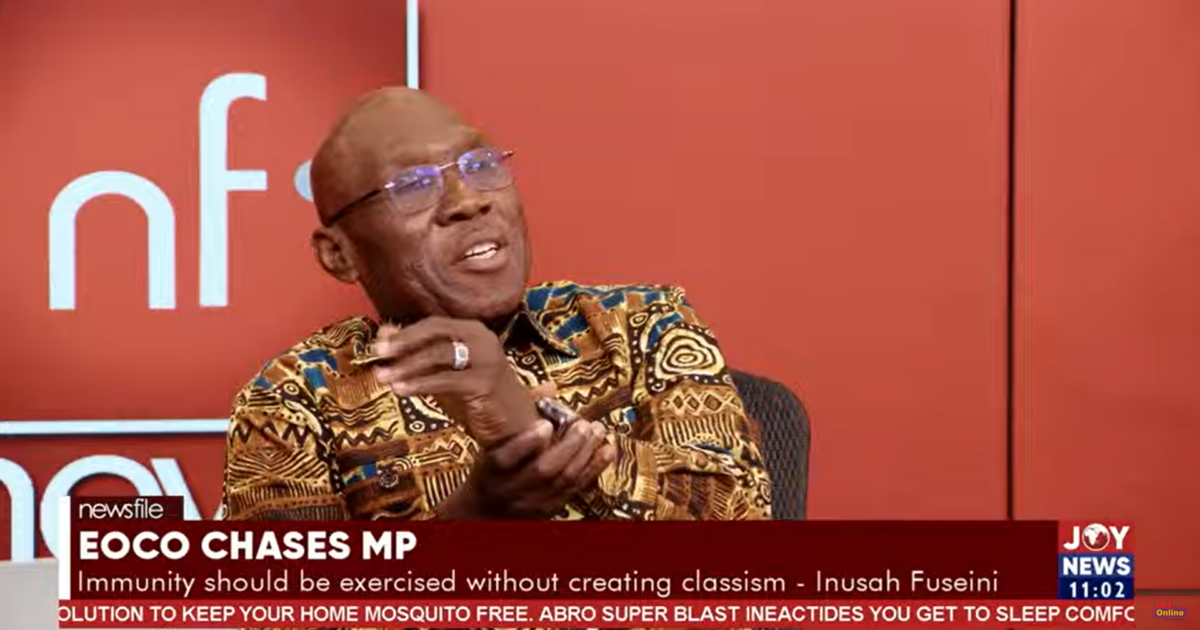
- Former Tamale Central MP Inusah Fuseini criticized EOCO's approach as problematic, arguing they should have secured a court warrant.
- Fuseini suggested EOCO should have served the warrant through the Speaker of Parliament to compel the MP's attendance.
- He noted the initial interaction with an EOCO official was civil, indicating a less confrontational approach was possible.
- The incident has fueled public debate on EOCO's investigative powers and the proper procedures for Members of Parliament.
The Incident and Immediate Fallout
He asserted that EOCO should have first secured a formal court warrant for the MP's arrest.
The Economic and Organised Crime Office (EOCO) recently faced scrutiny following its attempt to apprehend Manhyia South Member of Parliament, Nana Agyei Baffour Awuah. This incident occurred at the Accra High Court premises on Wednesday, September 23, sparking considerable public discussion regarding the appropriate methods for law enforcement agencies when dealing with sitting legislators. The confrontation has brought into sharp focus the investigative powers of EOCO and the established protocols that should govern interactions with Members of Parliament during inquiries.
The attempted apprehension of Nana Agyei Baffour Awuah at a judicial venue immediately raised questions about the necessity and legality of the approach. The event quickly became a focal point for debate across Ghana, with many commentators weighing in on the procedural correctness of EOCO's actions. This public discourse underscores the importance of adhering to due process, especially when high-profile individuals like Members of Parliament are involved in investigations.
Expert Critique of EOCO's Approach
Former Tamale Central MP Inusah Fuseini offered a strong critique of EOCO's strategy, describing their method as "problematic" during an appearance on JoyNews’ Newsfile on Saturday. He specifically questioned the rationale behind attempting to arrest Manhyia South MP Nana Agyei Baffour Awuah at the court premises, suggesting that alternative, less confrontational avenues were available and preferable. Fuseini's comments highlight a perceived misstep in the agency's operational tactics concerning the **EOCO Baffour Awuah warrant arrest criticism**.
Mr. Fuseini further elaborated that the initial interaction between the legislator and an EOCO official indicated that a more measured approach was feasible. He noted that the female EOCO representative who first engaged the MP was remarkably "civil, cordial and respectful," implying that the situation did not inherently demand an immediate, forceful intervention. This observation suggests that the agency might have had an opportunity to pursue a different course of action before resorting to an attempted arrest at a public judicial setting, thereby avoiding the subsequent controversy surrounding the **Inusah Fuseini EOCO arrest procedure**.
Prescribed Legal and Parliamentary Channels
In light of the incident, Inusah Fuseini outlined what he considered the appropriate **EOCO arrest procedure** for compelling a sitting Member of Parliament to cooperate with an investigation. He asserted that EOCO should have first secured a formal court warrant for the MP's arrest. Subsequently, this **warrant for MP arrest Ghana** should have been served through the Speaker of Parliament, leveraging established **EOCO parliamentary channels arrest** to ensure the legislator's appearance before the agency.
According to Fuseini, this two-step process—obtaining a judicial warrant and then serving it via the Speaker—would have provided a legally sound and procedurally correct mechanism to secure Mr. Baffour Awuah’s attendance. This approach, he argued, respects both the judicial process and parliamentary protocols, thereby upholding the integrity of the investigative body while acknowledging the unique position of a Member of Parliament. The debate surrounding this incident underscores the ongoing discussion about the scope of **Ghana EOCO investigative powers MPs** and the necessity for strict adherence to due process when engaging with elected officials.
Practical Implications
Lawyers and compliance officers should note the judicial scrutiny on EOCO's arrest procedures, particularly concerning the requirement for warrants and proper parliamentary engagement when dealing with sitting Members of Parliament, to advise clients on their rights and challenge procedural irregularities in similar situations.
Source
How does this affect you?
Get an AI analysis of this article grounded in your jurisdictions, practice areas, and any policy documents you've uploaded to Wansom.
Finish Reading the Full Story and the Expert Analysis.
Get the latest legal & regulatory intelligence in Ghana
Wansom is AI and can make mistakes.