
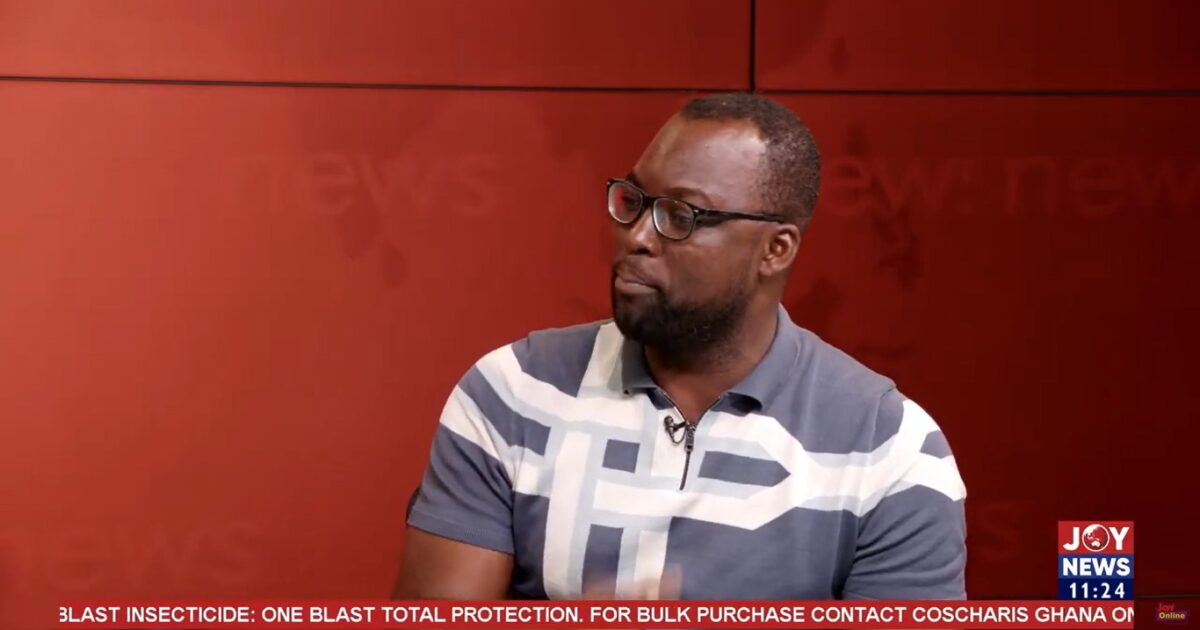
GH: Bobby Banson: EOCO Attempted Arrest of Awuah MP Condemned
Summary
- Ghanaian lawyer Bobby Banson condemned the Economic and Organised Crime Office (EOCO) for attempting to arrest MP Nana Agyei Baffour Awuah.
- The incident occurred at the Accra High Court on Wednesday, September 23, where the MP was acting as a lawyer for a client.
- EOCO stated the attempted arrest was to secure the MP's attendance for an ongoing investigation, claiming he failed to honor two February invitations.
- Mr. Awuah and his lawyers dispute EOCO's account, with the MP describing the attempted arrest as unlawful.
- The event has sparked concerns regarding due process and the rights of individuals, including MPs and lawyers, during investigations.
Attempted Arrest at Accra High Court
This incident highlights potential due process concerns regarding EOCO's arrest procedures and the rights of individuals, including Members of Parliament and legal professionals, during investigations.
The Economic and Organised Crime Office (EOCO) recently made an attempt to arrest Nana Agyei Baffour Awuah, the Member of Parliament for Manhyia South, at the Accra High Court. The incident, which occurred on Wednesday, September 23, saw the MP present at the court in his professional capacity as a lawyer, representing a client. This action by EOCO has drawn significant criticism from the legal community, particularly from Ghanaian lawyer Bobby Banson.
Mr. Banson publicly condemned the manner in which the Economic and Organised Crime Office Ghana handled the situation, raising questions about the appropriateness of law enforcement actions within the confines of a judicial setting. The attempted MP arrest at the Accra High Court has ignited a broader discussion regarding the protocols and respect for legal proceedings that should govern such operations.
Conflicting Narratives Emerge
EOCO has provided its rationale for the attempted arrest of Nana Agyei Baffour Awuah, stating that its objective was to secure his attendance for an ongoing investigation. According to the agency, Mr. Awuah had previously failed to respond to two invitations that were dispatched to him in February of the current year, necessitating their direct intervention.
However, this account is strongly contested by the Manhyia South MP and his legal representatives. Mr. Awuah has explicitly characterized the attempted arrest as unlawful, while his lawyers have formally disputed EOCO's version of events, suggesting a significant disagreement over the facts and legal justification surrounding the incident.
Legal Community's Strong Rebuke
The actions of the Economic and Organised Crime Office Ghana have been met with a sharp rebuke from prominent legal figures. Ghana lawyer Bobby Banson's condemnation of EOCO's attempted arrest of Awuah underscores a growing concern within the legal fraternity regarding the conduct of state investigative bodies. His criticism focuses not only on the specific incident but also on the broader implications for the rule of law and the rights of individuals.
This incident highlights potential due process concerns regarding EOCO's arrest procedures and the rights of individuals, including Members of Parliament and legal professionals, during investigations. The intervention of law enforcement in a court setting, particularly when the individual is acting as counsel, raises fundamental questions about the respect for judicial processes and the protection afforded to legal practitioners in the discharge of their duties.
Broader Implications for Legal Safeguards
The controversy surrounding the Nana Agyei Baffour Awuah attempted arrest extends beyond the immediate parties involved, touching upon critical aspects of Ghana's legal and regulatory framework. Such cases serve as important precedents for how law enforcement agencies interact with citizens, particularly those in public office or engaged in legal representation. The dispute over whether proper procedures were followed, including the honoring of invitations, places a spotlight on the need for clarity and adherence to due process.
For legal professionals, this event underscores the importance of monitoring developments that challenge law enforcement overreach and advising clients on their constitutional rights during attempted arrests or investigations. The outcome of this particular situation could influence future interactions between state investigative bodies and individuals, shaping the landscape of legal safeguards in Ghana.
Practical Implications
This incident highlights potential due process concerns regarding EOCO's arrest procedures and the rights of individuals, including MPs and lawyers, during investigations. Lawyers should monitor such cases for precedents on challenging law enforcement overreach and advising clients on their rights during attempted arrests.
Source
How does this affect you?
Get an AI analysis of this article grounded in your jurisdictions, practice areas, and any policy documents you've uploaded to Wansom.
Finish Reading the Full Story and the Expert Analysis.
Get the latest legal & regulatory intelligence in Ghana
Wansom is AI and can make mistakes.