
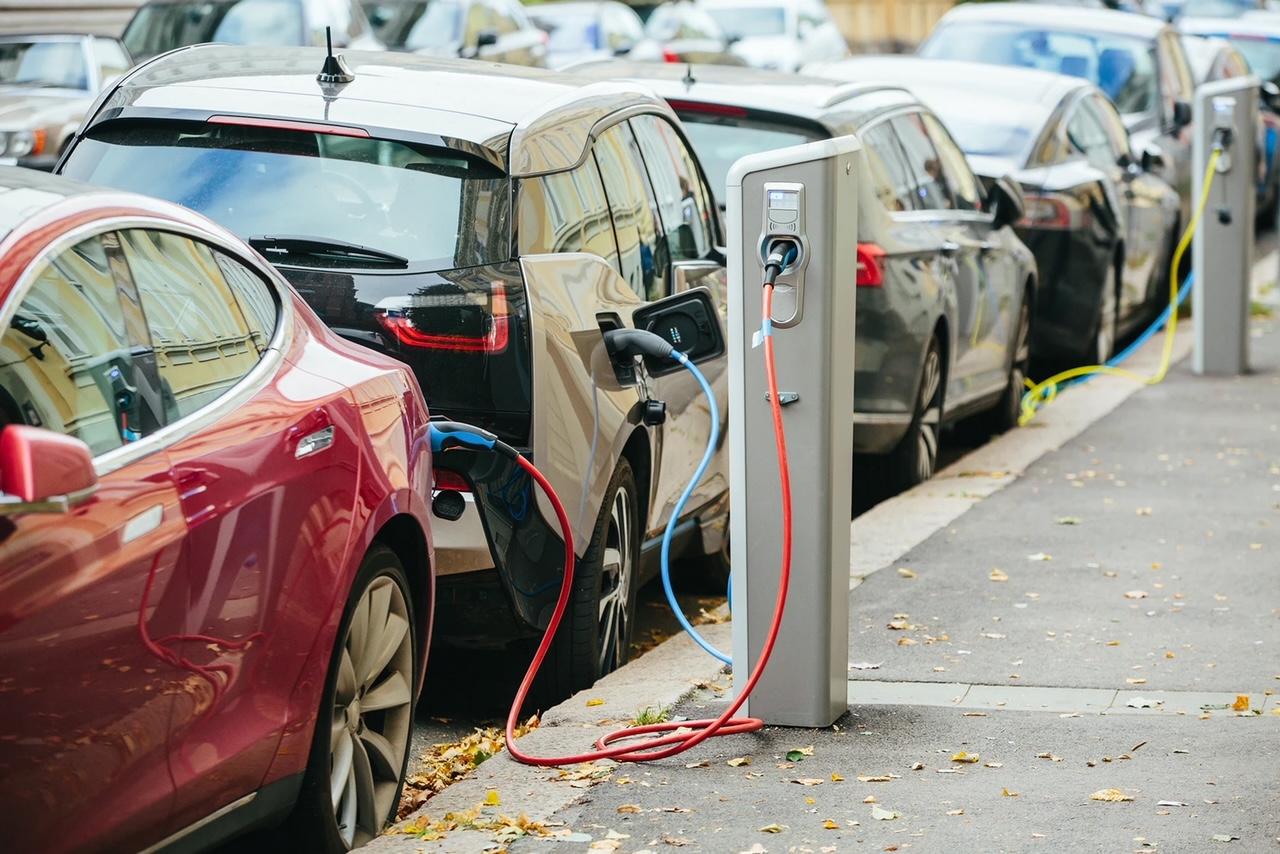
Mahama: Ghana EV Charging Station Regulation Plans Unveiled
Summary
- President John Dramani Mahama announced plans on September 15 to regulate the establishment of electric vehicle (EV) charging stations in Ghana.
- The regulation aims to prevent uneven pressure on Ghana’s electricity distribution network.
- Mahama highlighted that proper planning is essential to avoid concentrating charging stations in areas with insufficient transformer and substation capacity.
- Existing electrical infrastructure currently lacks the capacity to support additional demand from concentrated EV charging facilities.
- The initiative seeks to ensure stable grid operations amidst the growing number of EV charging points.
Regulatory Initiative Announced
The primary objective behind this impending regulation is to mitigate potential strain and ensure balanced pressure on the nation's existing electricity distribution network.
President John Dramani Mahama recently unveiled plans to implement a comprehensive regulatory framework for the establishment of electric vehicle (EV) charging stations across Ghana. This significant announcement was made on Tuesday, September 15, signaling a proactive approach by the government to manage the burgeoning EV sector. The primary objective behind this impending regulation is to mitigate potential strain and ensure balanced pressure on the nation's existing electricity distribution network.
This move by President Mahama underscores a growing recognition of the need for structured development as Ghana embraces electric mobility. The proposed regulations aim to guide the rollout of EV infrastructure Ghana legal requirements, ensuring that the expansion of charging capabilities aligns with national energy policies and grid capabilities. Such foresight is crucial for the sustainable integration of electric vehicles into the country's transport ecosystem.
Addressing Grid Strain
Mahama emphasized that the increasing proliferation of EV charging points necessitates meticulous foresight and strategic planning. He highlighted concerns that without proper oversight, these stations could become disproportionately concentrated in specific geographical areas. Such concentration poses a substantial risk, particularly in locations where current electrical infrastructure, including transformers and substations, already operates at or near its capacity limits.
The former president underscored that these critical components of the electricity grid are not presently equipped to handle the additional demand that a dense cluster of EV charging facilities would impose. This proactive stance aims to prevent localized power disruptions and ensure the stability of the Ghana electricity grid EV impact, thereby safeguarding the reliability of electricity supply for all consumers.
Future Regulatory Landscape
The proposed Ghana electric vehicle charging policy is expected to introduce a structured approach to EV infrastructure development. While specific details of the regulatory mechanisms were not disclosed, the announcement by John Mahama EV regulation plans suggests a future where licensing, siting, and operational standards for charging stations will be clearly defined. This move is crucial for the sustainable integration of electric vehicles into the national transport system and for safeguarding the integrity of the Ghana energy sector EV law.
Lawyers advising clients in Ghana's energy, automotive, and real estate sectors should closely monitor the development of these new regulations. They will likely impact licensing requirements, grid connection protocols, and investment strategies for infrastructure development, necessitating proactive compliance planning. The government's rational and logical approach aims to ensure that the growth of EV adoption is supported by a resilient and well-managed power infrastructure.
Why It Matters for Ghana's Energy Sector
The strategic regulation of EV charging stations is not merely an operational necessity but also holds significant economic and environmental implications for Ghana. By ensuring a robust and well-distributed charging network, the nation can foster greater adoption of electric vehicles, contributing to reduced carbon emissions and improved air quality. This forward-looking Ghana electric vehicle charging policy positions the country to capitalize on the global shift towards sustainable transportation.
Furthermore, a well-managed EV infrastructure Ghana legal framework will attract further investment in the sector, creating new business opportunities and jobs within the Ghana energy sector EV law. The careful planning articulated by President Mahama is therefore vital for both immediate grid stability and long-term national development goals, ensuring that the transition to electric mobility is orderly and beneficial for all stakeholders.
Practical Implications
Lawyers advising clients in Ghana's energy, automotive, or real estate sectors should closely monitor the development of new regulations for EV charging stations. This will likely impact licensing, grid connection requirements, and investment strategies for infrastructure development, necessitating proactive compliance planning.
Source
Source: Original reporting via {source}
How does this affect you?
Get an AI analysis of this article grounded in your jurisdictions, practice areas, and any policy documents you've uploaded to Wansom.
Finish Reading the Full Story and the Expert Analysis.
Get the latest legal & regulatory intelligence in Ghana
Wansom is AI and can make mistakes.