
Ghana GPRTU: Traffitech-GH Ultimatum Threatens Transport Strike
Summary
- Commercial transport operators in Ghana threaten a nationwide strike starting November 1.
- The strike protests the new Traffitech-GH system, which they claim will extort money through fines.
- Operators argue it is unfair to fine drivers when authorities fail to clear bus stops and walkways of traders.
- They previously gave the government until October 20 to enforce Regulation 142 of L.I. 2519, but no action was taken.
- The Joint Transport Front warns commuters to make alternative arrangements, holding the government responsible for disruptions.
Nationwide Transport Strike Looms
The transport operators maintain that it is illogical to digitalize what they describe as "illegality," referring to the enforcement of traffic rules against drivers while the government simultaneously permits the illegal occupation of essential transport infrastructure.
Commercial transport operators in Ghana have issued a stern ultimatum, threatening a nationwide suspension of public transport services starting Sunday, November 1. This drastic measure is a direct response to the impending operationalization of the Traffitech-GH system, a new camera-based traffic enforcement initiative. The Joint Transport Front, comprising the Ghana Private Road Transport Union (GPRTU) of the Trades Union Congress (TUC), the Commercial Transport Operators of Ghana, and the Concerned Drivers Association of Ghana, released a statement on October 31, declaring their intent to halt operations unless their grievances are addressed before the system's launch.
The groups contend that the government's plan to roll out the Traffitech-GH system Ghana is an attempt to unfairly extract money from drivers through traffic fines. They argue that this enforcement mechanism is unjust given the persistent issue of traders occupying designated bus stops and pedestrian walkways, which are legally meant for passenger pick-up and drop-off. The operators' leadership has resolved to instruct drivers across the country to park their vehicles and cease all services once the Traffitech-GH system becomes active, emphasizing their refusal to operate under what they deem an "unfair and unjust system."
Enforcement Failures and Legal Obligations
At the heart of the dispute is the alleged failure of state authorities to enforce existing regulations concerning public transport infrastructure. The Joint Transport Front had previously set an October 20 deadline for the government and the Ghana Police Service to ensure compliance with Regulation 142 of L.I. 2519. This specific regulation mandates the removal of traders from bus stops and pedestrian walkways, spaces crucial for the safe and efficient operation of commercial vehicles. However, the transport unions assert that this deadline passed without any meaningful intervention from the government, the Ministry of Local Government, or the police.
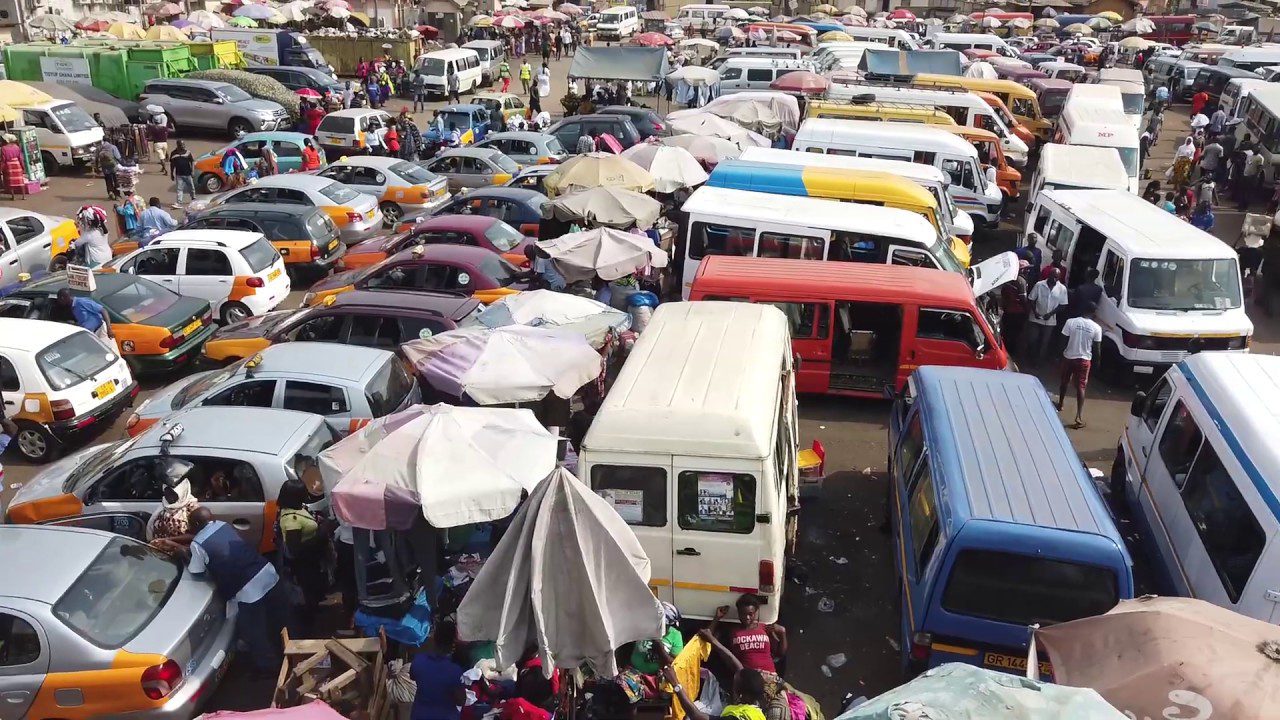
The operators specifically highlighted several key areas where GPRTU bus stop encroachment remains rampant, including Kaneshie, Circle, Madina, Kasoa, and Kejetia. They argue that this persistent occupation forces drivers into situations where they are susceptible to fines and harassment by the new Traffitech-GH system for offenses that arise directly from the authorities' inability to maintain clear access to these designated areas. The groups firmly believe that addressing these long-standing issues of encroachment is a prerequisite for any new traffic enforcement system to be considered fair and legitimate.
Why It Matters
The impending Ghana commercial transport strike carries significant implications for daily commuters and the broader economy across Ghana. The Joint Transport Front has explicitly appealed to the public to acknowledge the planned disruption and make alternative travel arrangements starting Sunday. They have also unequivocally stated that the government will bear full responsibility for any inconvenience caused by the industrial action, underscoring the gravity of their protest.
The transport operators maintain that it is illogical to digitalize what they describe as "illegality," referring to the enforcement of traffic rules against drivers while the government simultaneously permits the illegal occupation of essential transport infrastructure. This stance, articulated in their October 31 statement, follows an earlier press conference held on October 13, where they first urged authorities to clear bus stops and walkways in anticipation of the Traffitech-GH system's introduction. The current Ghana GPRTU Traffitech-GH ultimatum represents a hardening of their position, signaling a critical standoff between commercial drivers and the government over traffic management and urban planning.
Practical Implications
Lawyers advising transport operators or businesses reliant on transport in Ghana should monitor the threatened nationwide strike by the GPRTU against the Traffitech-GH system, as it could lead to significant operational disruptions, potential contractual breaches, and necessitate advice on the enforcement of traffic regulations versus the government's obligations under Regulation 142 of L.I. 2519.
Source
How does this affect you?
Get an AI analysis of this article grounded in your jurisdictions, practice areas, and any policy documents you've uploaded to Wansom.
Finish Reading the Full Story and the Expert Analysis.
Wansom is AI and can make mistakes.