
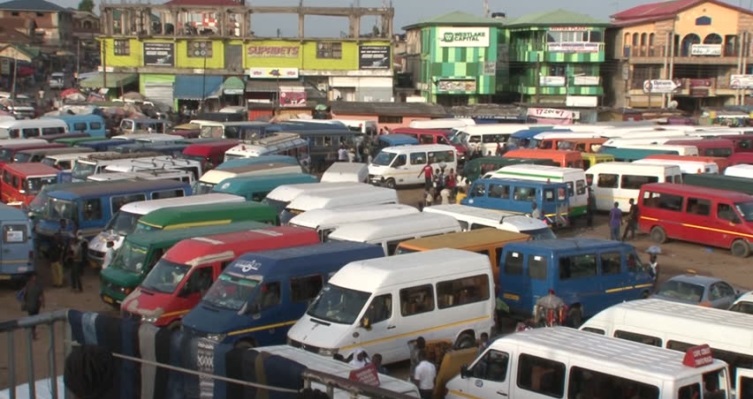
Ghana Transport Strike: Operators Threaten Action Over Traffitech-GH Launch
Summary
- Ghanaian commercial transport operators are threatening a nationwide strike starting November 1.
- The strike protests the rollout of the Traffitech-GH system while bus stops remain occupied by traders.
- Operators accuse the government and Ghana Police Service of failing to enforce Regulation 142 of the Road Traffic Regulations, 2026 (L.I. 2519).
- They warn that drivers will face unfair penalties under the new camera-based enforcement if designated areas are not cleared.
- Commuters are advised to seek alternative transport arrangements due to potential widespread service disruptions.
What Happened
The operators have unequivocally stated their refusal to operate under what they deem an 'unfair and unjust system,' declaring that 'You cannot digitalize illegality.'
Commercial transport operators across Ghana are preparing for a nationwide strike set to commence on November 1. This action is timed to coincide with the scheduled launch of the Traffitech-GH system, a new camera-based traffic enforcement initiative. The operators contend that the government and the Ghana Police Service have failed to clear traders from designated bus stops and pedestrian walkways, creating an untenable situation for drivers under the new system.
Leading the charge are prominent groups including the Ghana Private Road Transport Union (GPRTU) of the Trades Union Congress (TUC), the Commercial Transport Operators of Ghana, and the Concerned Drivers Association of Ghana. In a statement issued on October 31, 2026, these organizations declared their intention to instruct their members to cease all operations if authorities proceed with the Traffitech-GH system without first addressing their core grievances. This follows an earlier joint press conference on October 13, where similar calls were made to clear obstructions before the system's introduction.
The transport groups previously issued an ultimatum to the government and the Ghana Police Service, demanding enforcement of relevant regulations by October 20, 2026. This deadline, aimed at clearing traders from vital public transport infrastructure, passed without the requested action. Operators specifically highlighted that bus stops in key areas such as Kaneshie, Circle, Madina, Kasoa, and Kejetia, alongside those in other major towns, remain occupied, making it impossible for drivers to comply with traffic rules without facing unfair penalties.
Legal and Regulatory Context
The crux of the dispute revolves around Regulation 142 of the Road Traffic Regulations, 2026 (L.I. 2519). This regulation, cited by the transport operators, provides the legal framework for ensuring that bus stops and pedestrian walkways are free from obstructions. The operators argue that the government and the Ghana Police Service have neglected their responsibility to enforce this specific regulation, thereby creating the very conditions that will lead to drivers being penalized under the new Traffitech-GH system.
The operators firmly believe that the authorities should prioritize resolving the issue of occupied bus stops before implementing the Traffitech-GH system for traffic enforcement in Ghana. They accuse the government of attempting to impose fines on drivers through the new system without first fulfilling its obligation to protect legally designated spaces for passenger loading and unloading. This perceived imbalance in enforcement priorities has led to strong accusations, with the groups stating that the government's approach suggests an intent to "extort money from innocent drivers" rather than ensuring fair and orderly traffic management.
Why It Matters
The impending Ghana transport strike carries significant implications for both the commercial transport sector and the general public. Drivers face the prospect of being unfairly penalized under the Traffitech-GH system if they are compelled to stop or operate in areas that are designated for transport but remain congested by traders. The operators have unequivocally stated their refusal to operate under what they deem an "unfair and unjust system," declaring that "You cannot digitalize illegality."
Furthermore, the transport groups have issued a direct warning to commuters, advising them to make alternative travel arrangements starting November 1. They anticipate widespread disruption to movement if the current standoff remains unresolved, placing full responsibility for any inconvenience squarely on the government. This situation highlights a critical conflict between the introduction of modern enforcement technology, such as the Traffitech-GH system, and the fundamental need for effective regulatory compliance and urban planning, particularly concerning the infrastructure vital for public transportation.
Practical Implications
Lawyers advising transport companies or businesses reliant on logistics should prepare for potential service disruptions due to the threatened nationwide strike. They should also review the enforcement of Road Traffic Regulations, 2012 (L.I. 2180) regarding public transport infrastructure, as this dispute highlights regulatory gaps and potential liabilities for drivers under the new Traffitech-GH system.
Source
How does this affect you?
Get an AI analysis of this article grounded in your jurisdictions, practice areas, and any policy documents you've uploaded to Wansom.
Finish Reading the Full Story and the Expert Analysis.
Wansom is AI and can make mistakes.