
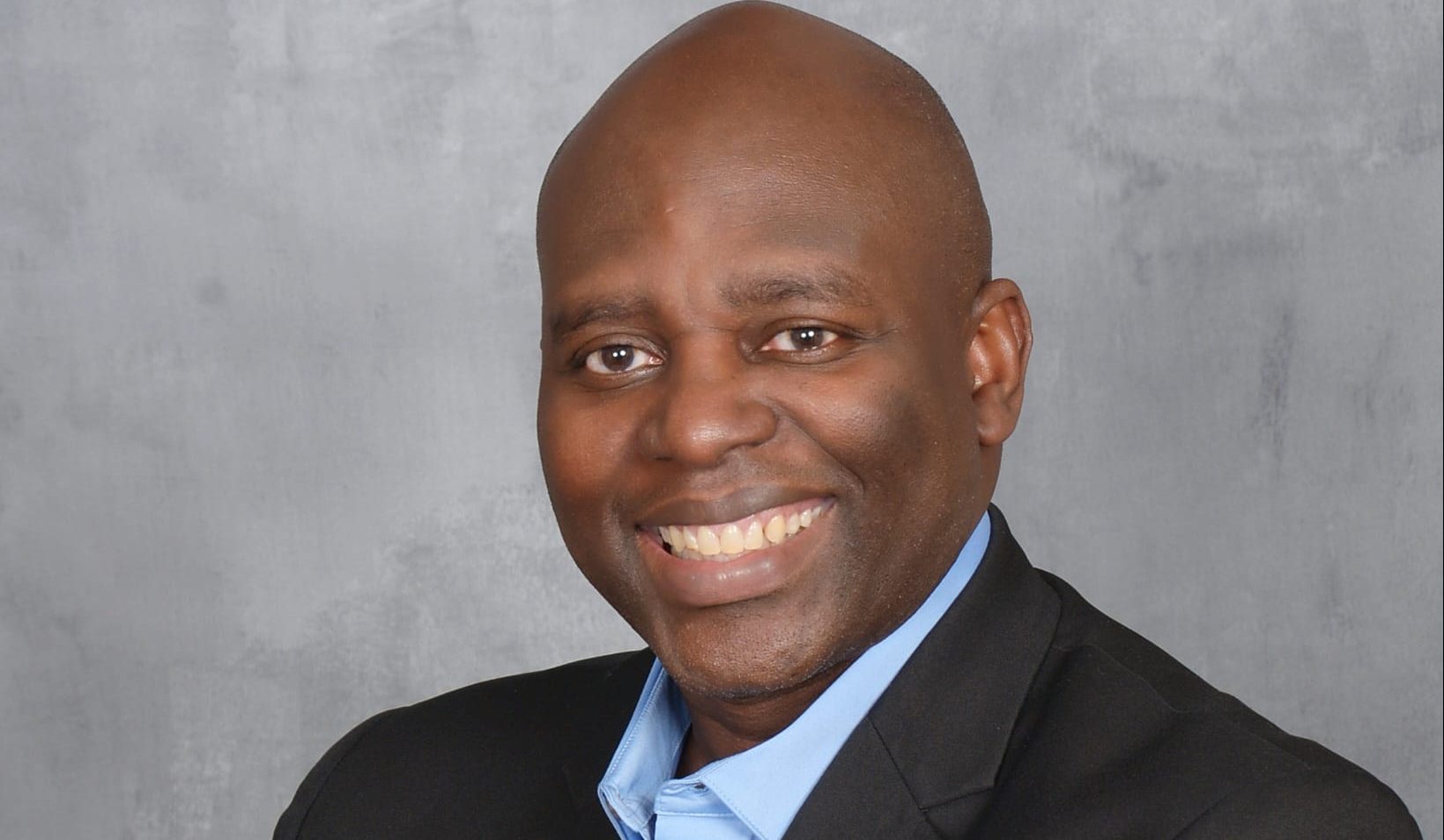
Ghana EC Appointments: Private Political Loyalties Face Scrutiny
Summary
- CDD-Ghana Fellow Dr. John Osae-Kwapong questioned the adequacy of public scrutiny for Electoral Commission appointees with private political loyalties.
- His comments followed President John Mahama's swearing-in of Dr. Joseph Kwaku Asamoah and Emelia Afi Agbenyo as new EC deputy chairpersons on October 12.
- Dr. Osae-Kwapong proposed an "Akufo-Addo test" for appointees, focusing on integrity, fairness, professionalism, and independence of judgment, based on former President Nana Akufo-Addo's 2023 remarks.
- He also emphasized the importance of the Electoral Commission's internal safeguards to prevent individual partisan influence among its members.
- The discussion highlights that an appointee's public political image does not fully address concerns about individual conduct or the institution's capacity to check bias.
Scrutiny of Electoral Commission Appointments
This ongoing discourse highlights the complex nature of ensuring independence in critical public bodies and the need for Ghana EC appointments private political loyalties scrutiny, especially in a politically charged environment.
On Monday, October 12, President John Mahama officially swore in Dr. Joseph Kwaku Asamoah and Emelia Afi Agbenyo as new deputy chairpersons for Ghana's Electoral Commission. These appointments were made to fill vacancies created by the resignation of Dr. Bossman Eric Asare and the retirement of Samuel Tettey. During the ceremony, President Mahama emphasized the critical responsibilities of the new appointees, charging them to uphold electoral integrity, ensure fairness in all processes, and work towards strengthening public confidence in the institution.
In response to these developments, Dr. John Osae-Kwapong, a Fellow at CDD-Ghana, raised pertinent questions regarding the depth of public scrutiny applied to individuals appointed to the Electoral Commission. Speaking on Joy News’ PM Express on Tuesday, he highlighted a potential blind spot in current assessment methods, suggesting that attention often disproportionately focuses on appointees with openly declared political affiliations. He posited that individuals could harbor significant partisan sympathies without making them publicly known, posing a different challenge to the perceived impartiality of independent constitutional bodies.
The Challenge of Hidden Loyalties
Dr. Osae-Kwapong articulated a key distinction between an openly partisan individual being appointed to an independent constitutional body and someone who is equally partisan but maintains a private stance on their political loyalties. He observed that public apprehension frequently centers on those whose political affiliations are visible, while individuals whose loyalties are less apparent may encounter greater acceptance. This dynamic, he argued, creates a scenario where a person with strong, yet undisclosed, partisan leanings might be perceived as more neutral than an openly affiliated counterpart, despite potentially holding similar biases.
To address this challenge and ensure Ghana electoral integrity appointments, Dr. Osae-Kwapong proposed a framework for evaluating appointees, which he termed the "Akufo-Addo test." This standard, he explained, is derived from remarks made by former President Nana Akufo-Addo in 2023 during the swearing-in of previous EC appointees. The "Akufo-Addo test" encompasses several crucial criteria: the appointee's capacity to serve with integrity, their commitment to fairness, their professionalism, and their ability to demonstrate independence of mind and judgment. This framework aims to provide a more comprehensive assessment beyond mere public perception of political alignment.
Institutional Safeguards and Impartiality
Beyond individual conduct, Dr. Osae-Kwapong also stressed the importance of examining the internal safeguards within the Electoral Commission itself. He questioned the extent to which one openly partisan member could genuinely influence the decisions of the entire body, especially when surrounded by six other commissioners. His concern, he noted, would be significantly reduced if robust internal mechanisms existed to restrain any member attempting to advance partisan interests. This perspective underscores that the integrity of constitutional body appointments Ghana impartiality is not solely dependent on the individual appointee but also on the resilience and checks-and-balances inherent within the institution.
Ultimately, Dr. Osae-Kwapong's argument focuses on a dual assessment: the conduct of the individual appointee and the institutional capacity of the Electoral Commission to counteract potential biases. He concluded that an appointee's public political image alone does not definitively answer questions regarding their personal conduct or the institution's ability to maintain impartiality. This ongoing discourse highlights the complex nature of ensuring independence in critical public bodies and the need for Ghana EC appointments private political loyalties scrutiny, especially in a politically charged environment.
Practical Implications
Lawyers advising on public sector appointments or electoral law in Ghana should note the evolving public and expert discourse, exemplified by Dr. Osae-Kwapong's comments, regarding the scrutiny of both overt and private political loyalties for appointees to independent constitutional bodies like the Electoral Commission. This discussion, including the 'Akufo-Addo test' for integrity and independence, provides critical context for assessing appointment validity, advising clients on perceived impartiality, or preparing for potential challenges to such appointments.
Source
How does this affect you?
Get an AI analysis of this article grounded in your jurisdictions, practice areas, and any policy documents you've uploaded to Wansom.
Finish Reading the Full Story and the Expert Analysis.
Get the latest legal & regulatory intelligence in Ghana
Wansom is AI and can make mistakes.