
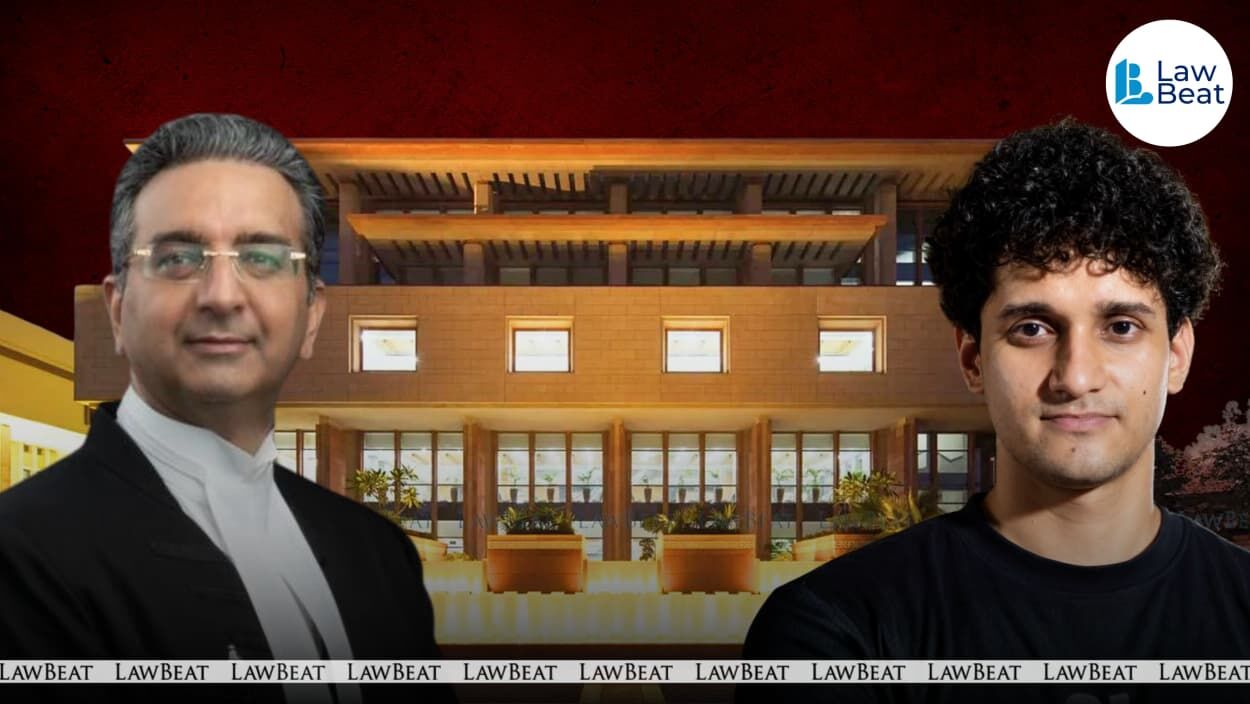
Delhi High Court: Gaurav Bhatia Defamation Undertaking on AI Posts
Summary
- BJP leader Gaurav Bhatia filed a ₹2-crore defamation suit against CJP leaders Saurav Das and Ashutosh Ranka over AI-generated social media posts.
- Das and Ranka undertook before the Delhi High Court to delete the contentious posts within 24 hours.
- The Delhi High Court directed X (formerly Twitter) to provide Basic Subscriber Information for the relevant accounts within three weeks.
- The court did not grant a dynamic injunction at this stage but established a mechanism for Bhatia to address future similar posts directly with social media platforms.
- The AI-generated posts falsely attributed derogatory remarks about Swatantra Bhardwaj to Gaurav Bhatia.
Case Overview and Immediate Action
The Delhi High Court online defamation case saw a specific order for X (formerly Twitter) to provide the Basic Subscriber Information (BSI) related to the relevant accounts within three weeks.
BJP leader and senior advocate Gaurav Bhatia has initiated a ₹2-crore defamation lawsuit against leaders of the Cockroach Janata Party (CJP), Saurav Das and Ashutosh Ranka, along with Abhijeet Dipke and the CJP itself. The Delhi High Court recently heard the matter, which centers on allegedly AI-generated social media posts that Bhatia claims have severely damaged his reputation. In a significant development, Das and Ranka provided an undertaking to the court to delete the contentious posts from their social media accounts within 24 hours, addressing some of the online content at the heart of the Gaurav Bhatia defamation Delhi HC undertaking.
The dispute arose from an AI-generated post that falsely attributed specific, derogatory remarks to Bhatia concerning Swatantra Bhardwaj. Bhatia vehemently denies ever making these statements, asserting that the publication and subsequent widespread sharing of these posts constitute "aggravated defamation." He emphasized to Justice Tushar Rao Gedela that the continued presence of these posts online, given the defendants' substantial social media following, was causing significant harm to his public image.
Allegations of Fabricated Content
The core of Mr. Bhatia's complaint stems from a post published on September 5, following the arrest of Swatantra Bhardwaj, who faced accusations of assaulting a teenage CJP protester. The AI-generated content falsely depicted Mr. Bhatia as labeling Bhardwaj a “dimagi naxali” and “jaatiwaadi.” Mr. Bhatia's suit explicitly states that the defendants did not merely criticize actual statements he made but rather fabricated remarks and then presented him as their author. This fabricated statement was strategically paired with Mr. Bhatia's photograph, creating a misleading association between him and the offensive comments.
Mr. Bhatia highlighted that he had previously attempted to resolve the issue directly with the defendants, but instead of removing the content, they allegedly published additional similar posts. This escalation led him to seek legal recourse, arguing that the nature of the AI-generated defamation in India, particularly when combined with false attribution, warrants robust judicial intervention to protect individuals from reputational harm. The case underscores the growing challenges posed by synthetic media in online defamation.
Court Proceedings and Key Directives
During the Delhi High Court's proceedings, Justice Tushar Rao Gedela recorded the undertakings from Saurav Das and Ashutosh Ranka to remove the disputed tweets within 24 hours. Despite this, Mr. Bhatia pressed for a dynamic injunction, citing the defendants' alleged continued posting even after the legal process commenced. However, the court opted not to grant a dynamic injunction at this preliminary stage, indicating it would revisit the issue after the defendants had filed their formal replies to the suit. Summons were duly issued to Das, Ranka, Dipke, and the CJP, mandating their response to the defamation allegations.
A crucial directive from the court involved social media platforms. The Delhi High Court online defamation case saw a specific order for X (formerly Twitter) to provide the Basic Subscriber Information (BSI) related to the relevant accounts within three weeks. This X Basic Subscriber Information order is significant for identifying the individuals behind the accounts. Furthermore, addressing the potential for future similar content, the court permitted Mr. Bhatia to approach both X and Meta directly should identical or similar defamatory posts reappear. The platforms, in turn, were advised to consider such complaints and take appropriate action, establishing a mechanism for ongoing monitoring and redress. The court also inquired whether Mr. Bhatia had already approached platforms like Meta, noting that existing rules provide mechanisms for content removal, to which Meta's counsel stated they could not proactively censor content based on a newspaper report URL.
Legal and Societal Context
This case offers a contemporary look at how the Delhi High Court is navigating the complexities of online defamation, especially when AI-generated content is involved. The court's decision to accept a voluntary undertaking for post deletion, while deferring a dynamic injunction, reflects a balanced approach, allowing for immediate relief without preempting a full hearing on the merits. The direction for X to disclose Basic Subscriber Information highlights the judiciary's increasing willingness to compel social media platforms to provide user data in defamation cases, recognizing the challenges of identifying anonymous or pseudonymous online actors.
Mr. Bhatia also alleged that Saurav Das was a "habitual offender" with a history of making comments concerning the judiciary, adding another layer to the CJP social media liability aspect of the case. The court's establishment of a clear pathway for Mr. Bhatia to address future similar defamatory posts directly with platforms like X and Meta is a practical step towards managing persistent online harassment. This mechanism acknowledges the dynamic nature of online content and the need for ongoing vigilance beyond initial court orders, providing a framework for individuals facing continued reputational attacks.
Practical Implications
This case provides insight into the Delhi High Court's handling of online defamation, particularly concerning AI-generated content and the balance between immediate injunctions and voluntary undertakings. Lawyers should note the court's willingness to direct social media platforms like X to provide Basic Subscriber Information (BSI) and the established mechanism for addressing future similar defamatory posts, which are critical for clients facing reputational damage online.
Source
How does this affect you?
Get an AI analysis of this article grounded in your jurisdictions, practice areas, and any policy documents you've uploaded to Wansom.
Finish Reading the Full Story and the Expert Analysis.
Get the latest legal & regulatory intelligence in India
Wansom is AI and can make mistakes.