
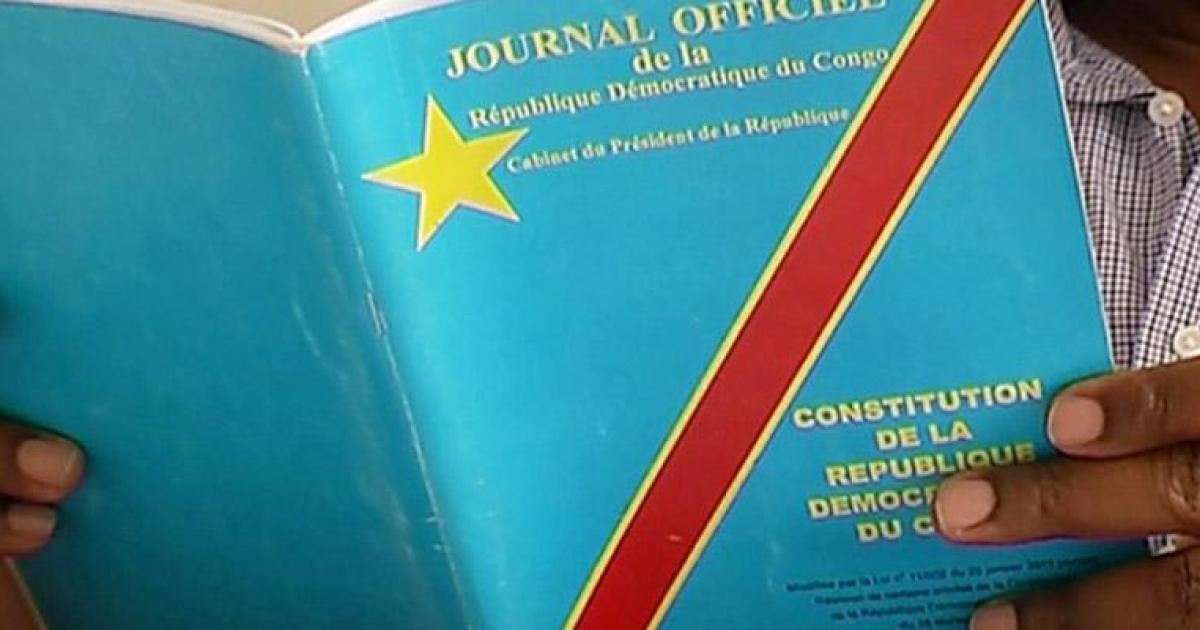
FRN Inquiétudes Changement Constitutionnel RDC: Risque Majeur Pour la Paix
Summary
- The politico-military movement Front pour la refondation de la nation (FRN) expressed concerns to a UN delegation regarding potential constitutional changes in the Democratic Republic of Congo.
- The FRN, formerly known as AFC/M23, warned that any alteration to the constitution would lead to the collapse of the Doha peace process.
- These concerns were communicated to a United Nations delegation led by James Swan, who is the head of MONUSCO.
- The interaction with the UN delegation occurred on November 3, 2026, at 4:43 PM.
What Happened
If this Constitution is ever changed, the entire Doha peace process will collapse
The politico-military movement known as the Front pour la refondation de la nation (FRN) recently conveyed its profound apprehensions to a United Nations delegation concerning potential alterations to the constitution of the Democratic Republic of Congo (RDC). This significant communication took place with the UN mission led by James Swan, who serves as the head of the United Nations Organization Stabilization Mission in the Democratic Republic of Congo (MONUSCO). The FRN specifically highlighted the substantial risks that could arise from any efforts to modify the existing constitutional framework, emphasizing the potential for severe repercussions.
The concerns articulated by the FRN were delivered to the UN delegation on November 3, 2026, at approximately 4:43 PM. This interaction underscores the gravity with which the politico-military group views the prospect of constitutional reform within the RDC. The FRN's engagement with such a high-level UN representative indicates a strategic effort to draw international attention to what it perceives as a critical threat to stability and ongoing peace initiatives, particularly in light of the group's history.
The FRN's Stance and Warnings
The Front pour la refondation de la nation, which was previously recognized under the designation AFC/M23, articulated a stark warning regarding the potential consequences of constitutional amendments. According to the FRN, any change to the current constitution would inevitably lead to the complete collapse of the Doha peace process. This assertion frames the constitutional issue not merely as a legal or political debate, but as an existential threat to a crucial peace agreement that has been painstakingly established.
The group's firm position suggests that the existing constitutional provisions are intrinsically linked to the viability and integrity of the peace process established in Doha. Their statement implies that the delicate balance and agreements forged through those negotiations are contingent upon the preservation of the current constitutional order. Such a declaration from a significant politico-military entity like the FRN, formerly AFC/M23, carries considerable weight in the complex political landscape of the RDC, especially when directed to the United Nations. The FRN's inquiétudes (concerns) about constitutional change are thus presented as a direct challenge to the foundation of regional stability.
Broader Implications for Peace and Stability
The direct link drawn by the FRN between constitutional change and the potential effondrement (collapse) of the Doha peace process introduces a critical dimension to the ongoing discussions about governance in the RDC. The concerns expressed to the UN delegation, headed by MONUSCO chief James Swan, highlight the fragility of peace agreements when fundamental legal frameworks are perceived to be at risk. For stakeholders involved in the Democratic Republic of Congo, such as the Front pour la refondation de la nation and the United Nations, the stability of the constitution is evidently seen as a cornerstone for maintaining any progress made towards lasting peace.
This situation underscores the intricate relationship between constitutional law, political stability, and international peace efforts in the region. The specific warning that "If this Constitution is ever changed, the entire Doha peace process will collapse" serves as a potent reminder of the high stakes involved in any proposed constitutional changes in the RDC. The international community, represented by the UN and MONUSCO, is now formally aware of these specific inquiétudes regarding constitutional changes, which could necessitate careful consideration in future diplomatic engagements and support for peace initiatives. The potential for the AFC/M23's former iteration, now the FRN, to voice such strong opposition to constitutional shifts emphasizes the deep-seated implications for the nation's future.
Practical Implications
Lawyers and compliance officers in the DRC should closely monitor developments regarding potential constitutional changes, as these could significantly impact the legal framework, political stability, and the enforceability of agreements related to the Doha peace process, necessitating a review of legal strategies and risk assessments for clients operating in the region.
Source
How does this affect you?
Get an AI analysis of this article grounded in your jurisdictions, practice areas, and any policy documents you've uploaded to Wansom.
Wansom is AI and can make mistakes.