
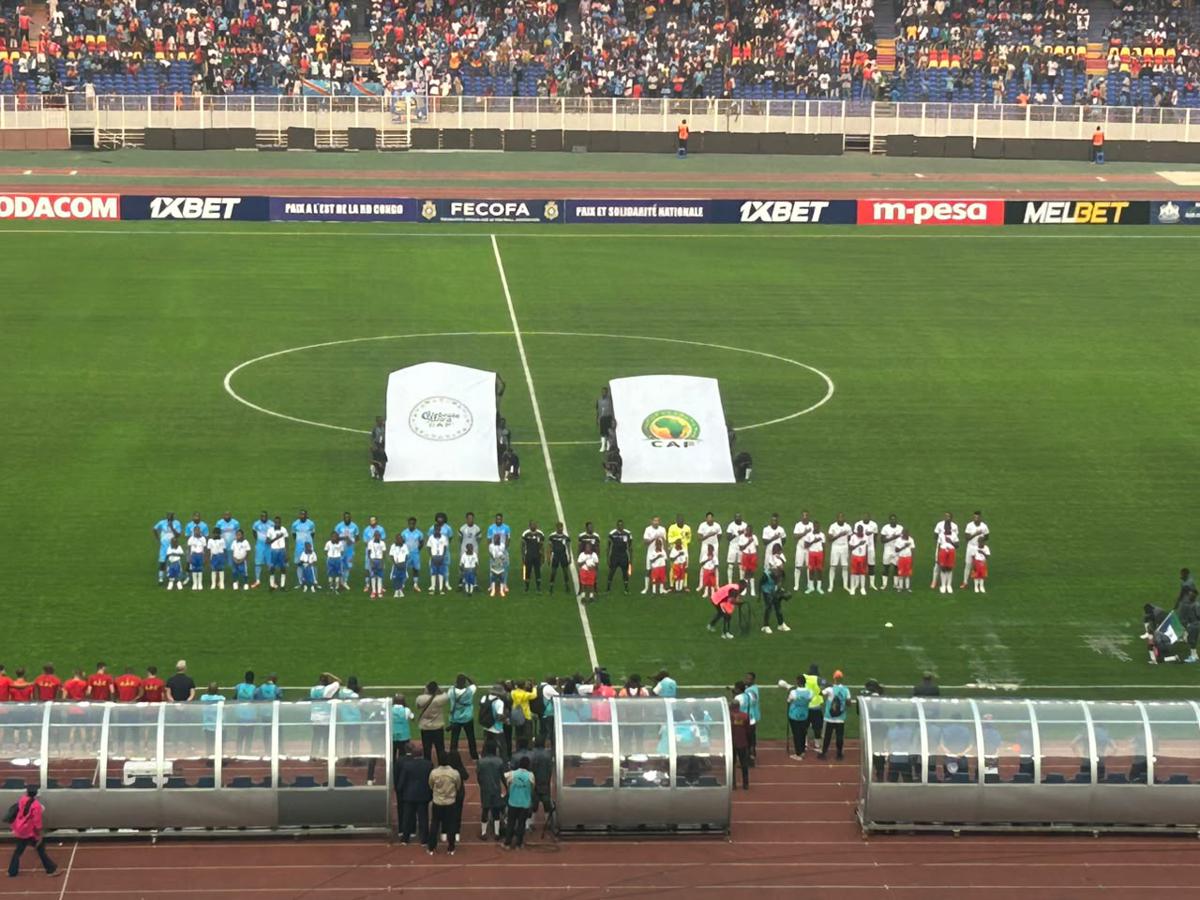
DR Congo National Assembly Reviews Sports Law Reform Bill
The National Assembly in the Democratic Republic of Congo (DRC) declared a bill to modernize the law on sports activities receivable on Monday, November 2, fifteen years after the current law came into force.
This proposed reform carries substantial legal significance for the entire sports ecosystem in the DRC. By introducing new governance rules, limiting mandates for sports leaders, and integrating more stakeholders, the bill aims to enhance transparency, accountability, and inclusivity within sports federations and organizations. The provisions addressing gender equality, handisport, and Paralympic disciplines reflect a commitment to broader participation and non-discrimination, aligning with international best practices. Furthermore, the focus on strengthening sanctions against doping, fetishistic practices, equipment falsification, and hate speech underscores a drive to professionalize sports and uphold ethical standards, which is vital for the integrity of competitions and the welfare of athletes.
The legal context for this initiative is the existing 15-year-old law governing physical and sports activities, which the proposed bill seeks to update. The declaration of receivability by the National Assembly is an initial procedural step, indicating that the bill meets the formal requirements for legislative consideration. It has now been transmitted to the socio-cultural commission for an in-depth examination, which will involve detailed review and potential amendments before it proceeds to further readings and eventual adoption. Key parties involved include the National Assembly, Deputy Serge Chembo Nkonde (the initiator), sports federations, clubs, the National Paralympic Committee, and the socio-cultural commission responsible for its review.
Attorneys advising sports organizations, individual athletes, and event promoters in the DRC should pay close attention to the evolution of this legislative proposal. The new rules on governance, player transfers, and sanctions will directly impact contractual agreements, organizational structures, and compliance requirements. Businesses involved in sports infrastructure development, sponsorship, or sports-related services should also be aware of the proposed investments in stadiums and the broader regulatory environment. Understanding the specific provisions related to anti-doping, ethical conduct, and dispute resolution mechanisms will be essential for legal professionals to guide their clients effectively through the anticipated changes in the sports legal landscape.
How does this affect you?
Get an AI analysis of this article grounded in your jurisdictions, practice areas, and any policy documents you've uploaded to Wansom.
Wansom is AI and can make mistakes.