
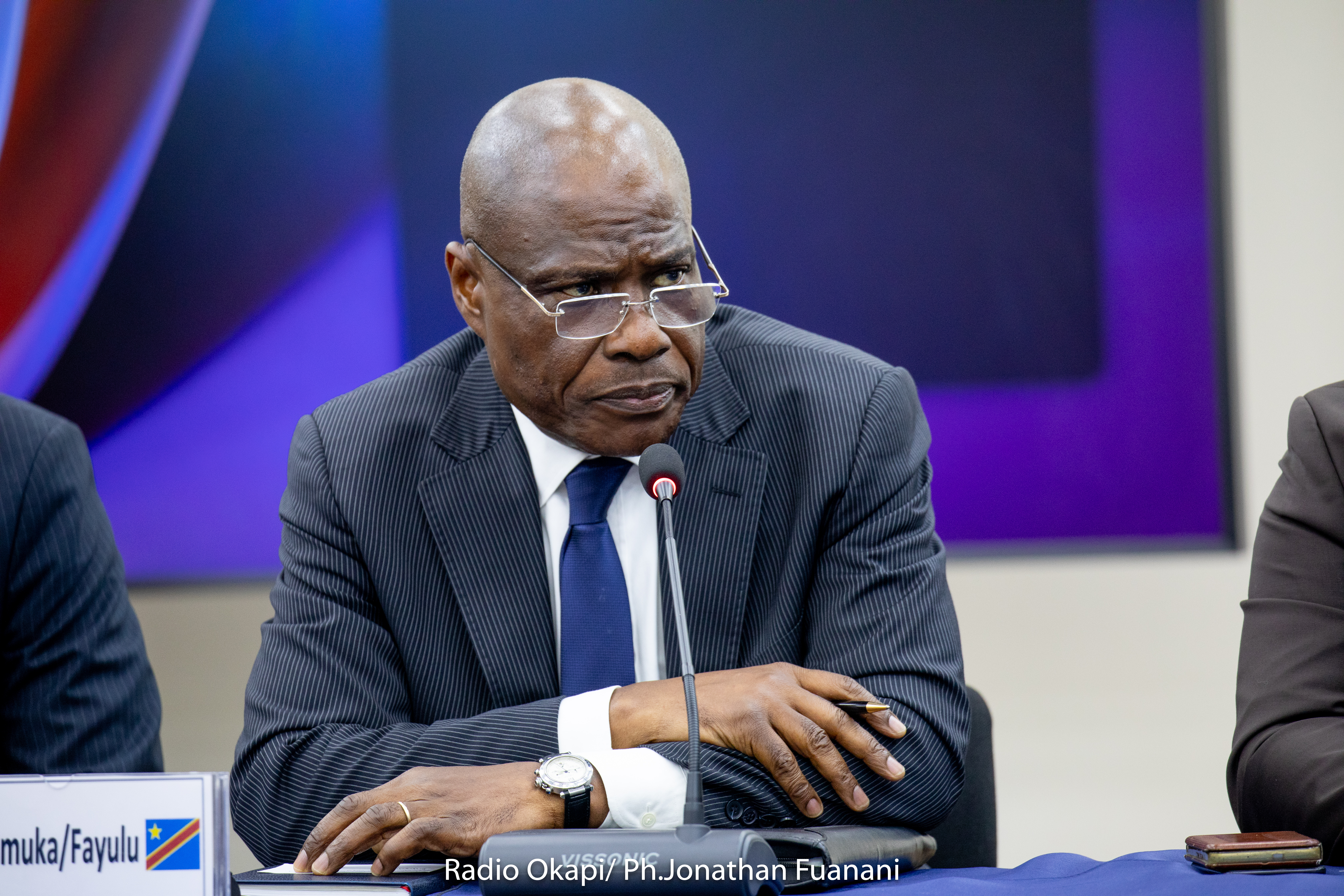
Fayulu Complaint: Tshisekedi Government DRC Sued Over Protest Violence
Summary
- Opposition leader Martin Fayulu announced his intent to file legal complaints against President Félix Tshisekedi, the government, and Kinshasa City Hall.
- The complaints stem from alleged violence and disturbances during a September 15 protest march organized by the C64 coalition.
- Fayulu plans to pursue these actions in both national tribunals and international human rights bodies.
- Accounts of the protest's scale and the nature of incidents varied significantly between opposition figures and official police reports.
- Separately, Prime Minister Judith Suminwa submitted the 2027 finance bill, valued at 56,929 billion Congolese francs, to the National Assembly.
Legal Challenges Mount Against DRC Government Following Protest
These legal proceedings, encompassing both national tribunals and international bodies, could establish significant precedents for political accountability and human rights litigation within the DRC.
Opposition leader Martin Fayulu has declared his intention to initiate legal proceedings against President Félix Tshisekedi, the Congolese government, and the Kinshasa City Hall. This significant announcement follows disturbances that occurred during a protest march on September 15. Fayulu, who leads the ECiDé party, cited reports of injured individuals and potential fatalities resulting from the unrest, attributing the violence to a group he identified as "Force du progrès."
The planned legal action, which Fayulu intends to pursue through both national tribunals and international bodies, targets the alleged misconduct surrounding the demonstration. The September 15 march was organized by the C64 coalition, a political grouping that had mobilized against any proposed changes to the country's constitution. This "Martin Fayulu lawsuit DRC" marks a direct challenge to the "Tshisekedi government legal action" and its handling of public dissent.
Conflicting Accounts Emerge from Kinshasa Demonstrations
The events of the September 15 march have been subject to widely differing interpretations from various stakeholders. Opposition figure Delly Sesanga characterized the protest as an "ambush," directly accusing elements within the police force and the "Force du progrès" of involvement in the reported violence. This perspective highlights concerns regarding the management of public demonstrations and the impartiality of law enforcement agencies.
In stark contrast, the Congolese National Police (PNC) presented a more positive assessment, describing their oversight of the Kinshasa march as "globally successful and without major incident." This official narrative stands in direct opposition to the claims made by the protest organizers and several opposition leaders. Beyond the capital, reports indicated incidents and crowd dispersals in various other cities across the Democratic Republic of Congo, further complicating a unified understanding of the day's events.
Media Offers Varied Perspectives on Protest Impact
Congolese media outlets provided diverse analyses of the September 15 mobilization, reflecting the contested nature of its outcome. Congo Nouveau suggested the demonstration could signify the beginning of a broader opposition front against President Tshisekedi, describing the day as tense and highlighting the involvement of key C64 figures. Conversely, Le Nouvel Observateur noted a relative calm in the capital but also reported instances of political intolerance and arrests in certain provinces.
Le Phare offered a particularly critical view, labeling the Kinshasa mobilization a "resounding fiasco" and asserting that planned gatherings at key locations like Échangeur de Limete and rond-point Moulaert attracted only a limited number of participants after extended waiting periods. Infos 27, meanwhile, emphasized the contrast between street-level tension and the continued functioning of state institutions, concluding that the government remained unperturbed by the C64's pressure. These divergent reports underscore how the overall assessment of the protest's scale and impact remains heavily influenced by the source.
Broader Implications for Accountability and Governance
The announced "Fayulu complaint Tshisekedi government DRC" carries significant weight for "Kinshasa political accountability" and the broader human rights landscape in the country. By pursuing an "International human rights complaint DRC" alongside actions in "DRC national tribunals complaint," Fayulu aims to hold the government responsible for the alleged violence and mismanagement during the September 15 protest. These legal proceedings, encompassing both national tribunals and international bodies, could establish significant precedents for political accountability and human rights litigation within the DRC. The progression of this "Tshisekedi government legal action" will be closely watched by legal observers and compliance officers, as it may influence future risk assessments and legal strategies for entities operating within the region.
National Budget Proposal Also Submitted
In a separate but concurrent development, Prime Minister Judith Suminwa officially submitted the draft finance bill for the 2027 fiscal year to the National Assembly. The proposed budget outlines expenditures totaling 56,929 billion Congolese francs, which translates to approximately 24.8 billion US dollars. Alongside this, the Prime Minister also presented the bill for the rendition of accounts for the 2025 fiscal year to the Parliament, fulfilling a key governmental responsibility.
Practical Implications
Lawyers and compliance officers should closely monitor the actual filing and progression of Martin Fayulu's announced complaints against the DRC government and President Tshisekedi, both nationally and internationally. These proceedings could establish significant precedents for political accountability and human rights litigation, impacting risk assessments and legal strategies for clients operating in the DRC.
Source
Source: Original reporting via 7sur7.cd
How does this affect you?
Get an AI analysis of this article grounded in your jurisdictions, practice areas, and any policy documents you've uploaded to Wansom.
Finish Reading the Full Story and the Expert Analysis.
Get the latest legal & regulatory intelligence in DR Congo
Wansom is AI and can make mistakes.