
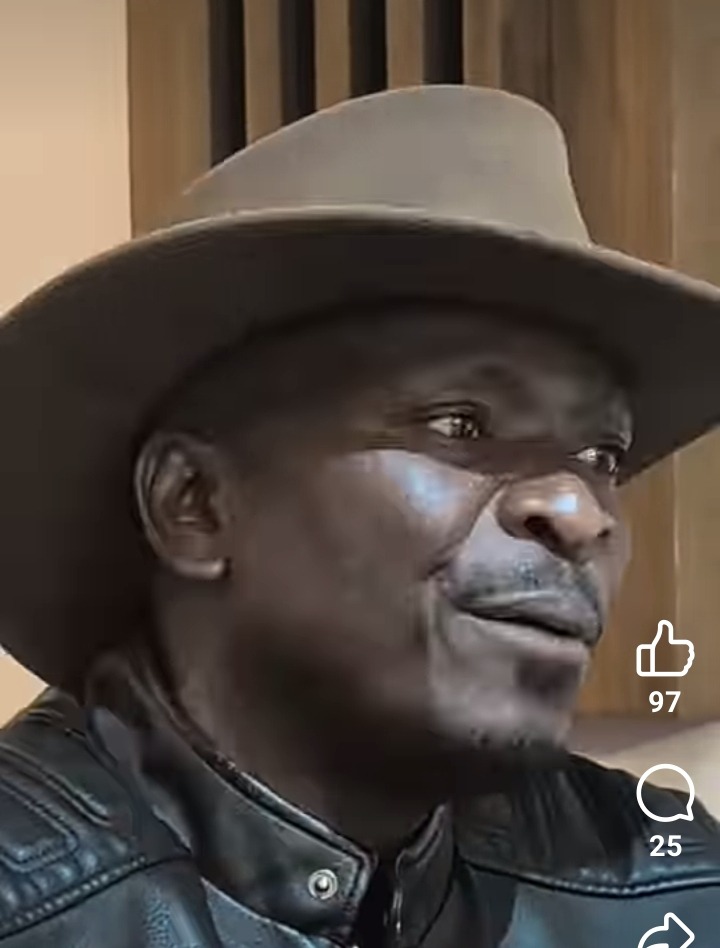
Fanwell Hasulwe: Warns UPND Candidates on Zambia Election Petitions
Summary
- On September 13, 2026, UPND National Youth Committee Member Fanwell Hasulwe, known as General Chiwenga, publicly attacked losing ruling party parliamentary candidates.
- Hasulwe warned these candidates to "examine their consciences" before challenging election results in court.
- The statement from Lusaka highlights political pressure exerted by a high-ranking party official on individuals pursuing electoral petitions.
- This intervention adds a moral dimension to ongoing electoral disputes in Zambia.
What Happened
When a senior party official, particularly one with a security portfolio, issues such a direct warning, it can be perceived as an attempt to exert political influence over the judicial process or to discourage legitimate legal challenges.
On September 13, 2026, a prominent figure within Zambia's ruling party, Fanwell Hasulwe, publicly criticized individuals pursuing electoral challenges. Hasulwe, who serves as a UPND National Youth Committee Member and is widely recognized by his moniker "General Chiwenga," issued a strong rebuke from Lusaka.
His remarks were specifically directed at parliamentary candidates affiliated with the ruling party who were unsuccessful in their bids for office. These individuals, having lost their respective elections, were reportedly considering or had already initiated legal proceedings to contest the results.
Hasulwe's statement constituted a "blistering attack," urging these former candidates to reflect deeply on their motivations. He explicitly warned them to "examine their consciences" before proceeding with any legal challenges to the election outcomes. This public admonition underscores a clear stance from a high-ranking party official regarding the legitimacy of ongoing electoral disputes.
Political Context of Electoral Disputes
The intervention by the UPND Youth Security Chief highlights the often-tense political environment surrounding election petitions in Zambia. Electoral disputes are a common feature of democratic processes, but public statements from party officials, particularly those in security-related roles, can add a layer of political pressure to what are ostensibly legal matters. The target of Hasulwe's criticism—losing parliamentary candidates from the ruling party—suggests potential internal party dynamics or a broader effort to consolidate post-election narratives.
Such pronouncements, especially from a figure known as "General Chiwenga," can be interpreted as an attempt to influence public opinion and potentially deter further legal action. The act of challenging election results, while a constitutional right, often becomes a politically charged issue, drawing commentary from various stakeholders. This incident provides a glimpse into the political landscape where legal avenues for redress are intertwined with party discipline and public perception.
The broader context of Zambia's electoral disputes commentary frequently involves high-profile figures weighing in on the validity and necessity of petitions. Hasulwe's remarks contribute to this ongoing dialogue, framing the pursuit of election challenges by certain individuals as a matter of moral integrity rather than purely legal recourse. This approach can significantly shape the political environment surrounding Fanwell Hasulwe election petitions Zambia and other UPND parliamentary candidates petitions.
Why It Matters
This public admonition by the UPND National Youth Committee Member carries significant implications for the landscape of Zambia election law political context and the pursuit of electoral justice. When a senior party official, particularly one with a security portfolio, issues such a direct warning, it can be perceived as an attempt to exert political influence over the judicial process or to discourage legitimate legal challenges. The emphasis on "examining consciences" rather than focusing on legal merits introduces a moral dimension to electoral disputes, potentially stigmatizing those who opt to exercise their right to petition the courts.
The incident involving General Chiwenga election petitions commentary underscores the political pressures that can be brought to bear on individuals, including UPND Youth Security Chief election challenges, who seek to contest election outcomes. For legal practitioners and those involved in electoral oversight, understanding this political backdrop is crucial. It illustrates how the ruling party, through its influential members, can shape the narrative around election challenges, potentially impacting the willingness of aggrieved parties to pursue their cases and the public's perception of such legal actions. This dynamic is a critical consideration in assessing the feasibility and public reception of electoral petitions in Zambia.
Practical Implications
This article highlights the political pressure exerted by the ruling party against individuals pursuing election petitions in Zambia. While not a direct legal development, it provides crucial context on the political environment surrounding electoral disputes, which lawyers should consider when advising clients on the feasibility and public perception of such challenges.
Source
How does this affect you?
Get an AI analysis of this article grounded in your jurisdictions, practice areas, and any policy documents you've uploaded to Wansom.
Finish Reading the Full Story and the Expert Analysis.
Get the latest legal & regulatory intelligence in Zambia
Wansom is AI and can make mistakes.