
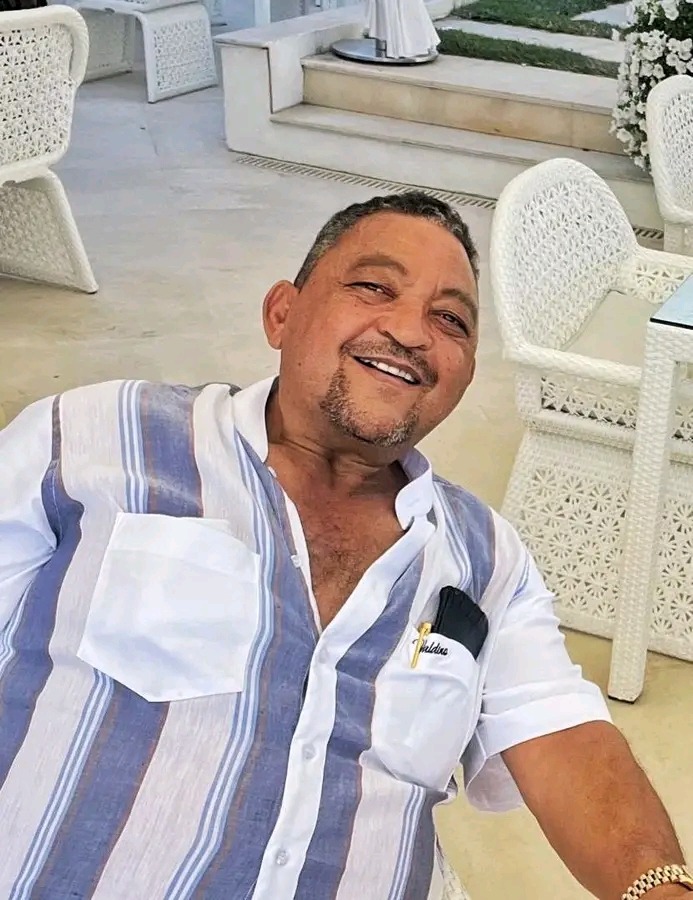
Zambia: Harry Findlay 40-Day Detention Without Court Appearance
Summary
- Harry Findlay has been detained in Zambia for forty days following his arrest.
- While his application for habeas corpus was dismissed by the Lusaka High Court on September 9, 2026, he has not yet been presented before a court for trial.
- The Findlay family asserts that his constitutional rights, including the right to a timely court appearance for trial, remain paramount.
- They emphasize his right to have his case determined fairly and without undue delay in a trial.
Prolonged Detention in Zambia
The Findlay family's public statement serves as a stark reminder that an individual's constitutional rights, including the right to be brought before a court and to have their matter determined fairly and without delay, are paramount.
Harry Findlay has now been held in detention for an extended period of forty days following his arrest in Zambia. Despite this significant duration, while his application for habeas corpus was heard and dismissed by the Lusaka High Court on September 9, 2026, he has not yet been presented before a court for trial. This prolonged pre-trial detention, without an appearance before a judicial body for trial, has raised concerns, particularly from his family. The Findlay family has publicly highlighted the situation, emphasizing the critical importance of upholding fundamental legal protections even when an individual is under arrest.
The family's statement underscores that the specific allegations against Mr. Findlay, whatever their nature, do not diminish or negate his inherent constitutional entitlements. Their primary contention revolves around the absence of a trial appearance, despite a recent habeas corpus hearing, which they argue is a cornerstone of legal due process. This situation brings into focus the procedures surrounding arrests and subsequent detention within the Zambian legal framework, particularly regarding the timely presentation of detainees before a magistrate or judge for trial. The family's public appeal serves to draw attention to the ongoing Harry Findlay 40-day detention Zambia and the perceived lack of adherence to established legal protocols concerning an individual's right to judicial review of their arrest.
Upholding Constitutional Rights
Central to the Findlay family's concerns is the assertion that Mr. Findlay's constitutional rights remain fully applicable, irrespective of the reasons for his arrest. Among these fundamental protections is the explicit right to be taken before a court without undue delay. This principle is a critical safeguard against arbitrary detention and ensures that the legality of an arrest and the grounds for continued detention can be judicially reviewed. The absence of a trial appearance for forty days, despite a recent habeas corpus hearing, directly challenges this established legal entitlement, highlighting the issue of Harry Findlay's arrest without a trial commencing in Zambia.
Furthermore, the family stresses that Mr. Findlay possesses the right to have his case adjudicated fairly and promptly. The prolonged period without a trial hearing means that the allegations against him have not been subject to full judicial scrutiny, nor has he had the opportunity for a formal determination of his situation in a trial, despite a recent habeas corpus hearing. This aspect of his detention highlights potential issues related to Zambian legal due process detention concerning pre-trial detention rights, where individuals are entitled to a timely and impartial assessment of their circumstances by a competent court. The Findlay family constitutional rights assertion underscores the universal expectation that legal processes should operate transparently and efficiently.
Implications for Due Process
The ongoing detention of Harry Findlay without a trial appearance for forty days, despite a recent habeas corpus hearing, raises significant questions regarding the practical application of legal due process in Zambia. The Findlay family's public statement serves as a stark reminder that an individual's constitutional rights, including the right to be brought before a court and to have their matter determined fairly and without delay, are paramount. These rights are designed to protect against indefinite detention and to ensure that all citizens receive equitable treatment under the law, regardless of the accusations they face.
This case, involving Harry Findlay's arrest and subsequent prolonged detention without a trial commencing, highlights the importance of adhering to established legal timelines for court appearances, despite a recent habeas corpus hearing. The family's firm stance that "his rights still matter" emphasizes the foundational principle that legal protections are not conditional on the nature of alleged offenses. Such situations underscore the continuous need for vigilance in safeguarding individual liberties and ensuring that the mechanisms of justice operate in a manner consistent with constitutional guarantees, particularly concerning Zambia pre-trial detention rights and the right to be taken to court Zambia.
Practical Implications
This case highlights potential due process violations concerning prolonged pre-trial detention in Zambia, reminding lawyers to scrutinize client detentions for adherence to constitutional rights and timely court appearances. It serves as a precedent for challenging detentions exceeding statutory or constitutional limits.
Source
How does this affect you?
Get an AI analysis of this article grounded in your jurisdictions, practice areas, and any policy documents you've uploaded to Wansom.
Finish Reading the Full Story and the Expert Analysis.
Get the latest legal & regulatory intelligence in Zambia
Wansom is AI and can make mistakes.