
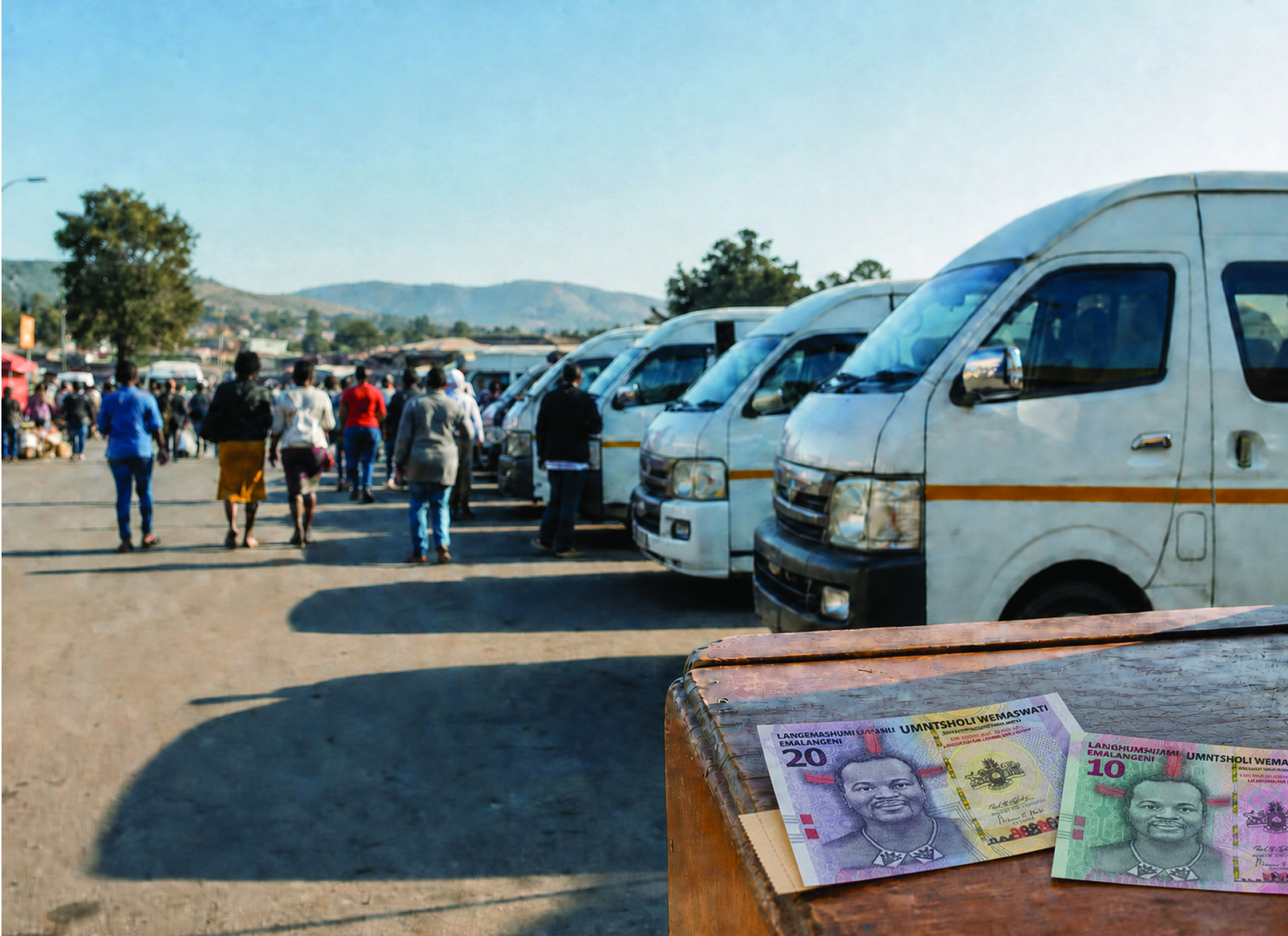
Eswatini National Road Transport Council Proposes E15 Minimum Bus Fare Hike
Summary
- Transport operators in Eswatini have proposed increasing the minimum bus fare from E10 to E15 for journeys up to eight kilometres.
- The proposal cites rising operating costs and depreciation of passenger service vehicles as reasons for the hike.
- The National Road Transport Council (NRTC) submitted the proposal to the government through the Ministry of Public Works and Transport.
What Happened
The NRTC cited rising operating costs and the depreciation of passenger service vehicles as reasons for the proposed hike.
Transport operators in Eswatini have proposed a significant increase in bus fares, suggesting that the minimum fare for journeys up to eight kilometres should be raised from E10 to E15. This proposal was submitted to the government through the National Road Transport Council (NRTC), which represents operators in negotiations with the Ministry of Public Works and Transport. The NRTC cited rising operating costs and the depreciation of passenger service vehicles as reasons for the proposed hike.
The increase would likely have a direct impact on transport operators, who may need to adjust their business models to account for the higher fares. However, it is unclear at this stage how passengers will be affected by the proposed change.
Legal and Regulatory Context
The proposal to increase bus fares is not a new development in Eswatini's transport sector. In recent years, there have been several attempts to revise the minimum fare structure, with some proposals being met with resistance from operators and passengers alike. The National Road Transport Council (NRTC) has played a key role in these negotiations, working closely with the Ministry of Public Works and Transport to find solutions that balance the needs of both operators and passengers.
While transport operators continue to push for the E10 to E15 fare increase, the Eswatini government, through the Minister for Public Works and Transport, Chief Ndlaluhlaza Ndwandwe, stated in February 2026 that no bus fare increase had been approved and denied any official engagements or consultations on such a proposed increase. The Ministry has since issued an Expression of Interest in July 2026 to develop a scientific, transparent, and sustainable road passenger transport fare model for Eswatini, indicating a broader review of fare determination.
The current proposal is likely to be subject to scrutiny by regulatory bodies, which will need to consider factors such as the impact on public transport costs, passenger affordability, and the overall sustainability of the sector. The NRTC's submission will also be reviewed in light of existing laws and regulations governing the transport industry in Eswatini.
Why It Matters
The proposed bus fare hike has significant implications for both transport operators and passengers in Eswatini. For operators, the increase could lead to higher operating costs, which may impact their ability to provide reliable services. On the other hand, passengers may face increased expenses for public transport, potentially affecting their daily commutes and overall quality of life.
The proposal also highlights the need for a more comprehensive review of Eswatini's transport policies and regulations. With rising operating costs and depreciation of passenger service vehicles, it is essential to explore innovative solutions that balance the needs of operators and passengers while ensuring the sustainability of the sector.
Practical Implications
Transport operators in Eswatini may need to advise clients on the potential impact of a proposed bus fare hike, which could affect passenger service vehicle valuations and operating costs.
Source
How does this affect you?
Get an AI analysis of this article grounded in your jurisdictions, practice areas, and any policy documents you've uploaded to Wansom.
Wansom is AI and can make mistakes.