
Eswatini Lifts FMD-Related Livestock Import Ban After Nearly 7 Years
Summary
- The government of Eswatini has lifted the ban on livestock imports imposed in 2019 following an FMD outbreak.
- Minister Mandla Tshawuka announced the lifting of the restriction, aiming to reopen the country's livestock market to imported breeding animals.
- The decision comes after nearly seven years of restrictions, which had significant economic and social impacts on farmers and the agricultural sector.
- The lifting of the ban is expected to boost trade and economic activity in Eswatini, particularly in the livestock industry.
Eswatini Lifts Livestock Import Ban After Seven Years
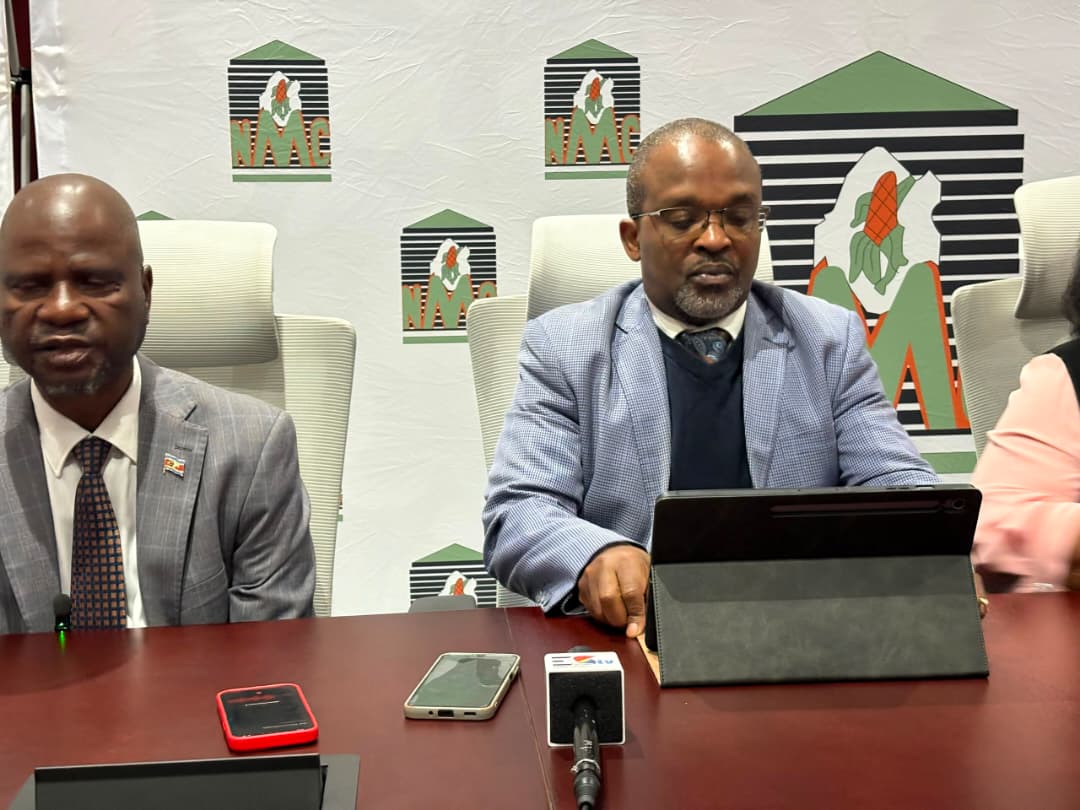
The move, announced by Minister of Agriculture Mandla Tshawuka on Monday, aims to reopen the country's livestock market to imported breeding animals.
The government of Eswatini has finally lifted the ban on livestock imports imposed in 2019 following a Foot-and-Mouth Disease outbreak. The move, announced by Minister of Agriculture Mandla Tshawuka on Monday, aims to reopen the country's livestock market to imported breeding animals. This decision comes after nearly seven years of restrictions, which had significant economic and social impacts on farmers and the agricultural sector. The lifting of the ban is expected to boost trade and economic activity in Eswatini, particularly in the livestock industry.
Legal Context: FMD Outbreak and Regulatory Response
The Foot-and-Mouth Disease outbreak in 2019 led to a nationwide ban on livestock imports, which was enforced by the government of Eswatini. The ban was intended to prevent further spread of the disease and protect local livestock populations. However, the prolonged duration of the ban had far-reaching consequences for farmers and traders, who were unable to access essential breeding animals from other countries. The lifting of the ban marks a significant shift in the country's regulatory approach to FMD management.
Why It Matters: Economic and Social Implications
The lifting of the livestock import ban has important implications for Eswatini's economy and agricultural sector. By reopening the market to imported breeding animals, farmers will have access to a wider range of genetic material, improving the quality and productivity of local livestock populations. This, in turn, is expected to boost trade and economic activity, particularly in rural areas where agriculture is a significant source of employment. The decision also reflects the government's commitment to supporting the agricultural sector and promoting economic growth.
Practical Implications
Lawyers advising clients on importing livestock into Eswatini should be aware of the lifted ban and review their compliance with any remaining regulations or requirements.
Source
How does this affect you?
Get an AI analysis of this article grounded in your jurisdictions, practice areas, and any policy documents you've uploaded to Wansom.
Wansom is AI and can make mistakes.