
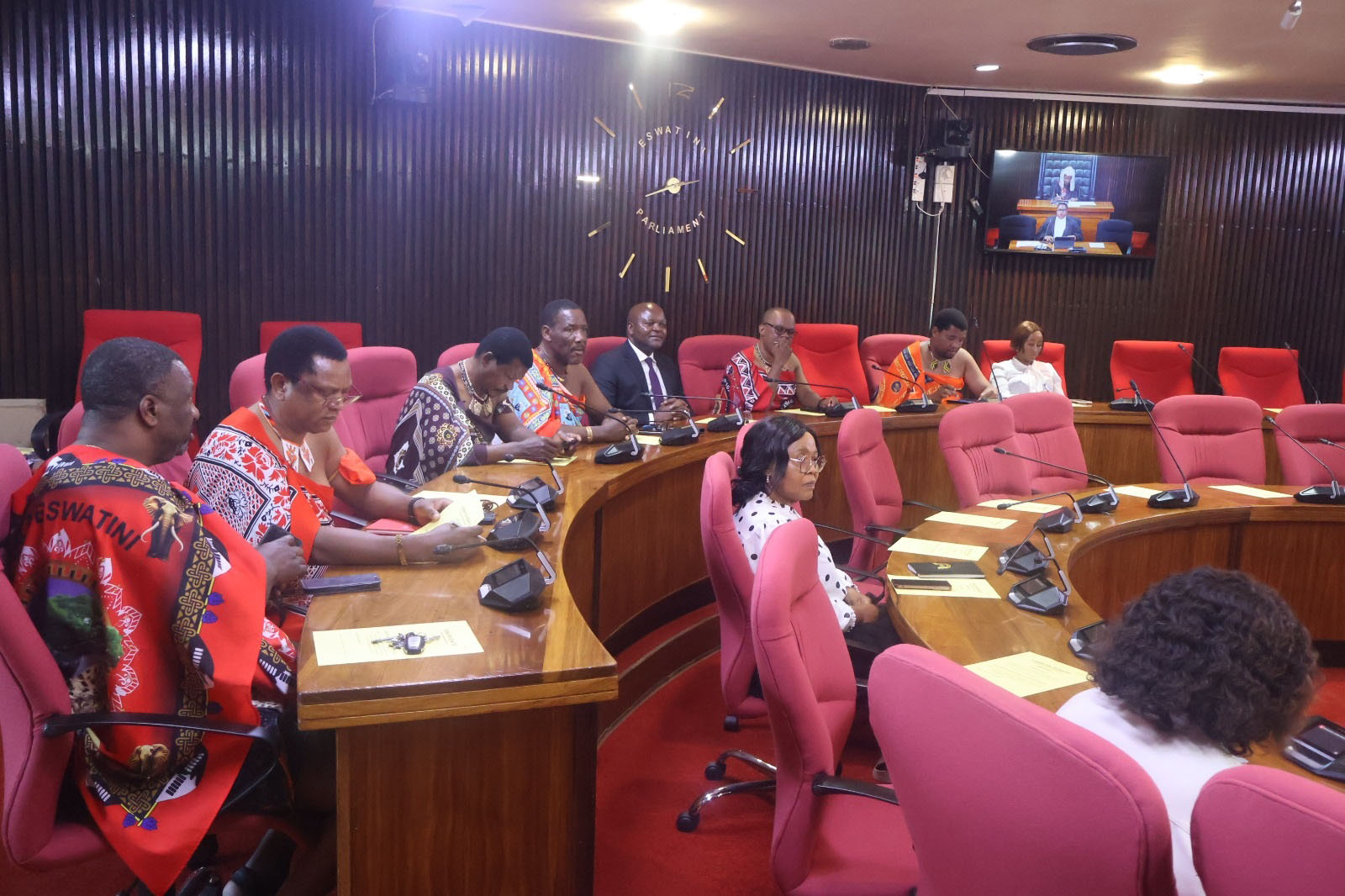
Eswatini Senate: Urges Public Transport Fare Regulation After 25% Hike
Summary
- Eswatini's Senate approved a 25% increase in short-distance bus fares yesterday.
- Senators challenged the government to find a lasting solution to recurring public transport fare increases.
- Lawmakers warned that commuters could face further fare hikes if international fuel prices continue to rise.
- The debate and approval of the fare increase occurred during a recent Senate session.
Senate Addresses Rising Transport Costs
This proactive warning from the Senate highlights the immediate need for robust Eswatini public transport fare regulation to protect consumers from an endless cycle of price hikes driven by external economic factors.
Eswatini's Senate recently engaged in a critical discussion regarding the persistent issue of public transport fare increases, culminating in the approval of a 25% hike for short-distance bus services. During the debate, senators voiced significant apprehension about the financial burden on commuters and directly challenged the government to devise a sustainable strategy to mitigate these recurring price adjustments. This legislative action underscores the ongoing struggle to balance operational costs for transport providers with affordability for the public.
The parliamentary session, which took place yesterday, saw lawmakers express deep concern over the trajectory of Eswatini transport fare increases. They specifically warned that citizens could face further fare escalations if global fuel prices continue their upward trend. This proactive warning from the Senate highlights the immediate need for robust Eswatini public transport fare regulation to protect consumers from an endless cycle of price hikes driven by external economic factors.
Call for Sustainable Policy Solutions
In light of the approved fare adjustment and the broader concerns, senators have explicitly called upon the government to implement a lasting solution to the cyclical nature of public transport fare increases. This demand points towards a need for comprehensive Eswatini public transport policy that extends beyond reactive approvals of price hikes. The legislative body's challenge suggests that current mechanisms for Eswatini public transport fare regulation may be insufficient to address the underlying causes of these frequent adjustments.
The debate in the Eswatini Senate on transport matters emphasized the urgency of developing Eswatini fuel price impact legislation or alternative measures. Such policies would aim to insulate the local transport sector and its users from the volatility of international fuel markets. Without a proactive framework, the cycle of Eswatini commuter fare hikes is likely to persist, placing continuous strain on the daily budgets of the populace.
Implications for Commuters and the Economy
The recent approval of a 25% increase in short-distance bus fares, coupled with the senators' warnings, signals a challenging period ahead for Eswatini commuters. The prospect of continuous Eswatini transport fare increases, directly linked to fluctuating international fuel prices, poses a significant economic threat to households across the nation. This situation underscores the critical importance of effective Eswatini public transport fare regulation to ensure essential services remain accessible and affordable for all citizens.
The parliamentary discussion yesterday highlighted that without decisive government intervention and the formulation of a robust Eswatini public transport policy, the nation risks an environment of perpetual fare adjustments. Such instability not only impacts individual commuters but also has broader implications for economic stability and social equity. The Senate's call for a "lasting solution" reflects a recognition that the current approach is unsustainable and that a more comprehensive strategy is urgently required to safeguard the interests of the public.
Practical Implications
Lawyers advising public transport operators or consumer advocacy groups in Eswatini should monitor government and parliamentary discussions for potential legislative or regulatory changes aimed at controlling or subsidizing public transport fares in response to rising fuel costs.
Source
How does this affect you?
Get an AI analysis of this article grounded in your jurisdictions, practice areas, and any policy documents you've uploaded to Wansom.
Finish Reading the Full Story and the Expert Analysis.
Get the latest legal & regulatory intelligence in Eswatini
Wansom is AI and can make mistakes.