
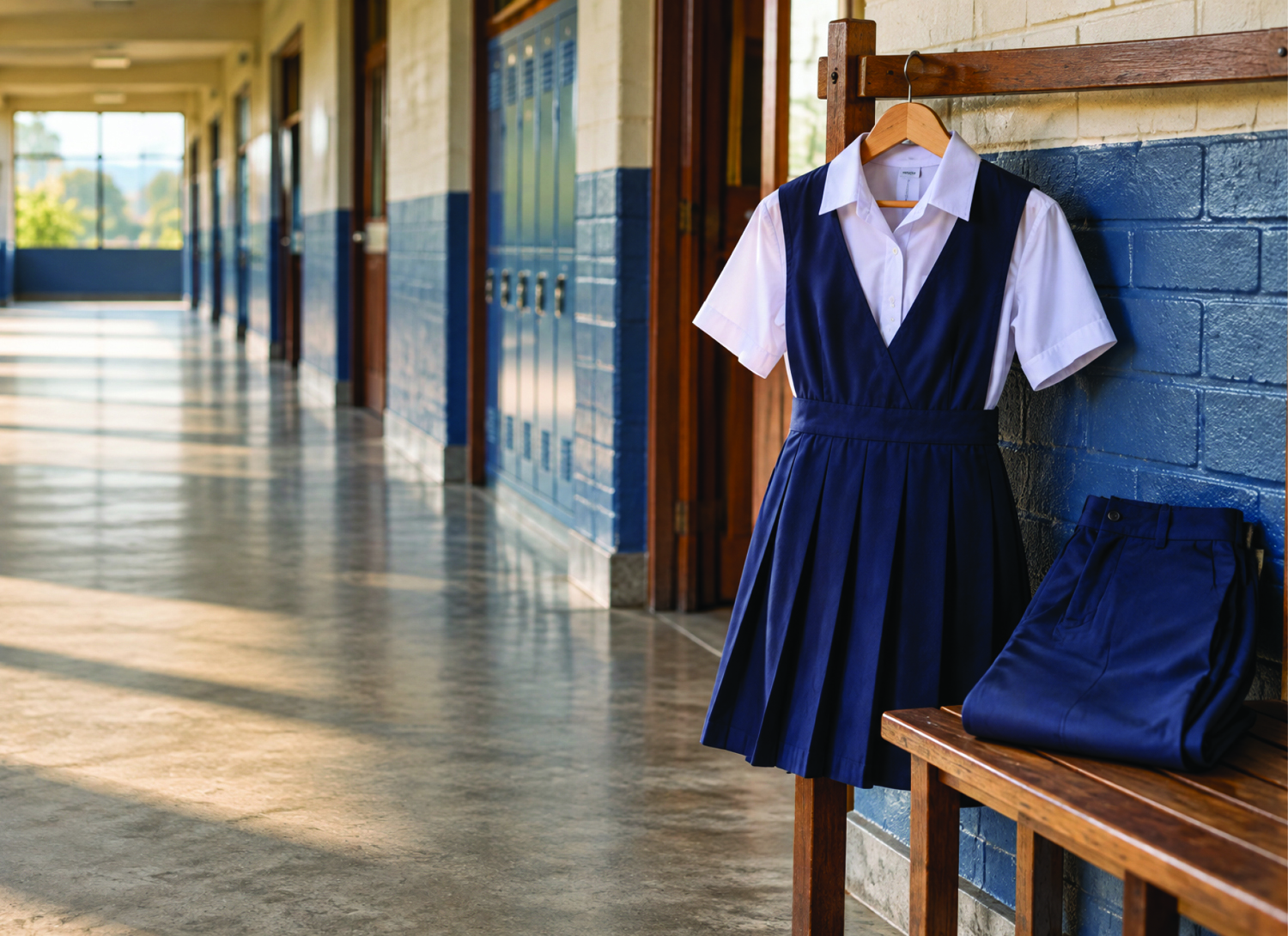
Eswatini Ministry: Bans Female Pupil Trousers in Schools
Summary
- The Eswatini Ministry of Education and Training has banned trousers for female pupils as part of the official school uniform.
- Principal Secretary Naniki Mnisi issued a warning to headteachers against deviating from the existing uniform policy.
- The Ministry became aware that some schools had started introducing trousers for female students.
- The directive reinforces the established Eswatini school uniform policy and education regulations.
- This decision impacts schools that had adopted trousers and maintains a traditional female student dress code in Eswatini.
What Happened
Principal Secretary Naniki Mnisi formally communicated this stance, explicitly warning headteachers against any deviation from the established Eswatini school uniform policy.
The Eswatini Ministry of Education and Training has since announced a new uniform policy, effective from 2027, which mandates trousers for female students in Grade 4 and above, and also requires trousers to be worn under skirts if skirts are chosen. This move comes in response to a trend observed in some educational institutions where headteachers had begun introducing trousers for their female students.
Principal Secretary Naniki Mnisi formally communicated this stance, explicitly warning headteachers against any deviation from the established Eswatini school uniform policy. Mnisi indicated that the Ministry had become aware of these changes being implemented by certain school leaders, prompting the official intervention to reinforce existing regulations. The directive makes it clear that the Ministry expects strict adherence to the current dress code for all students.
Regulatory Context
The Ministry's action is rooted in the existing Eswatini education regulations governing school attire. The directive from Principal Secretary Naniki Mnisi serves as a reinforcement of these long-standing rules, rather than the introduction of a new policy. It underscores the Ministry of Education and Training's authority in dictating and enforcing the official school uniform policy across the nation's educational institutions.
This specific Naniki Mnisi school uniform directive aims to ensure uniformity and compliance within the education system. By explicitly banning trousers for female pupils, the Ministry is asserting its oversight on the female student dress code Eswatini schools must uphold, preventing individual institutions from unilaterally altering approved attire standards.
Why It Matters
This decision by the Eswatini Ministry bans female pupil trousers, impacting both educational institutions and students across the country. Schools that had started to incorporate trousers into their uniform options for female students will now need to revert to the previously approved attire, ensuring compliance with the Ministry's explicit instruction.
For female students, this directive solidifies the traditional dress code, potentially limiting choices that some schools had begun to offer. The emphasis on the existing Eswatini school uniform policy highlights the Ministry's commitment to maintaining established norms within the education sector, which could have broader implications for discussions around gender-specific attire and student comfort in the future.
Practical Implications
Lawyers advising educational institutions, parents, or human rights organizations in Eswatini should be aware of this new directive, as it sets a specific uniform policy that may raise questions regarding gender equality and could potentially be subject to legal challenge or require compliance adjustments for schools.
Source
How does this affect you?
Get an AI analysis of this article grounded in your jurisdictions, practice areas, and any policy documents you've uploaded to Wansom.
Finish Reading the Full Story and the Expert Analysis.
Get the latest legal & regulatory intelligence in Eswatini
Wansom is AI and can make mistakes.