
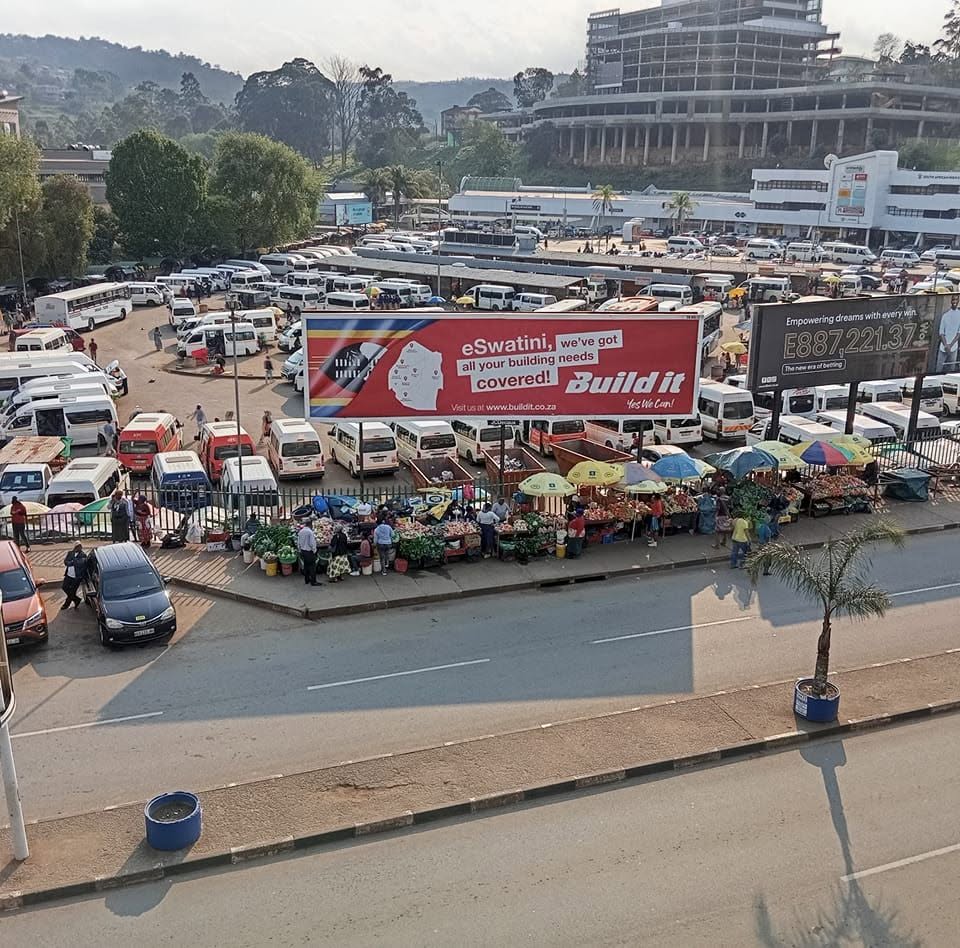
Eswatini Ministry: Acknowledges Over 100 Illegal Transport Operations in Mbabane
Summary
- The Ministry of Housing and Urban Development in Eswatini has acknowledged the urgent need for intervention at the Mbabane Bus Rank.
- More than 100 vehicles are reportedly operating illegally outside the designated facility in Mbabane.
- These unauthorized operations are primarily attributed to severe capacity constraints at the Mbabane bus rank.
- The situation has raised significant concerns regarding the regulation of public transport operations in the capital city.
- Urgent action is deemed necessary to address the widespread illegal public transport Eswatini activities.
Widespread Illegal Operations in Mbabane
Lawyers advising transport operators in Eswatini should proactively review client compliance with licensing, route designations, and operational permits, particularly in Mbabane, anticipating potential crackdowns or new regulatory measures from the Ministry of Housing and Urban Development given the acknowledged widespread illegal operations.
The Ministry of Housing and Urban Development in Eswatini has openly acknowledged the critical necessity for immediate action to address the widespread illegal public transport Eswatini operations plaguing the Mbabane Bus Rank area. This official recognition underscores a significant challenge within the capital's transportation infrastructure, highlighting a pressing need for regulatory enforcement and systemic improvements.
Reports indicate that more than 100 vehicles are currently operating outside the designated public transport facility in Mbabane, engaging in unauthorized services. These extensive illegal transport operations are not merely isolated incidents but represent a substantial portion of the daily commuter traffic, raising serious questions about safety, fairness, and the rule of law in the public transport sector.
Regulatory Challenges and Capacity Shortfalls
A primary factor contributing to the proliferation of these unauthorized services is the severe capacity constraint at the official Mbabane bus rank. The existing infrastructure is unable to accommodate the current volume of public transport vehicles, forcing many operators to conduct their business from undesignated locations. This shortfall in Mbabane bus rank capacity directly fuels the illegal public transport Eswatini market.
The Ministry of Housing and Urban Development Eswatini has expressed profound concerns regarding the overall regulation of public transport operations within the capital city. The current situation suggests a breakdown in the effective oversight and management of the sector, which not only impacts legitimate operators but also poses risks to passengers and urban planning efforts.
Implications for Urban Development and Public Safety
The presence of over 100 vehicles operating illegally outside the designated bus rank creates a chaotic environment, impacting traffic flow, pedestrian safety, and the general order of Mbabane's urban landscape. Such unregulated activity undermines efforts to create an efficient and safe public transportation network, which is crucial for the capital's development and the daily lives of its residents.
Addressing these Eswatini Mbabane illegal transport operations is not just a matter of enforcing existing laws but also requires a comprehensive strategy that considers infrastructure expansion, improved regulatory frameworks, and potentially new operational models. The Ministry's acknowledgment signals a potential shift towards more stringent measures to bring order to the public transport sector.
Anticipating Regulatory Response
Given the Ministry of Housing and Urban Development's explicit recognition of the problem and the stated need for urgent intervention, transport operators in Eswatini, particularly those active in Mbabane, should anticipate forthcoming regulatory actions. This could include intensified enforcement campaigns, revised licensing requirements, or new directives concerning route designations and operational permits.
Lawyers advising transport operators in Eswatini should proactively review client compliance with licensing, route designations, and operational permits, particularly in Mbabane, anticipating potential crackdowns or new regulatory measures from the Ministry of Housing and Urban Development given the acknowledged widespread illegal operations. Ensuring adherence to current and future regulations will be paramount for operators seeking to avoid penalties and maintain their business legitimacy within the evolving public transport landscape.
Practical Implications
Lawyers advising transport operators in Eswatini should proactively review client compliance with licensing, route designations, and operational permits, particularly in Mbabane, anticipating potential crackdowns or new regulatory measures from the Ministry of Housing and Urban Development given the acknowledged widespread illegal operations.
Source
How does this affect you?
Get an AI analysis of this article grounded in your jurisdictions, practice areas, and any policy documents you've uploaded to Wansom.
Finish Reading the Full Story and the Expert Analysis.
Get the latest legal & regulatory intelligence in Eswatini
Wansom is AI and can make mistakes.