
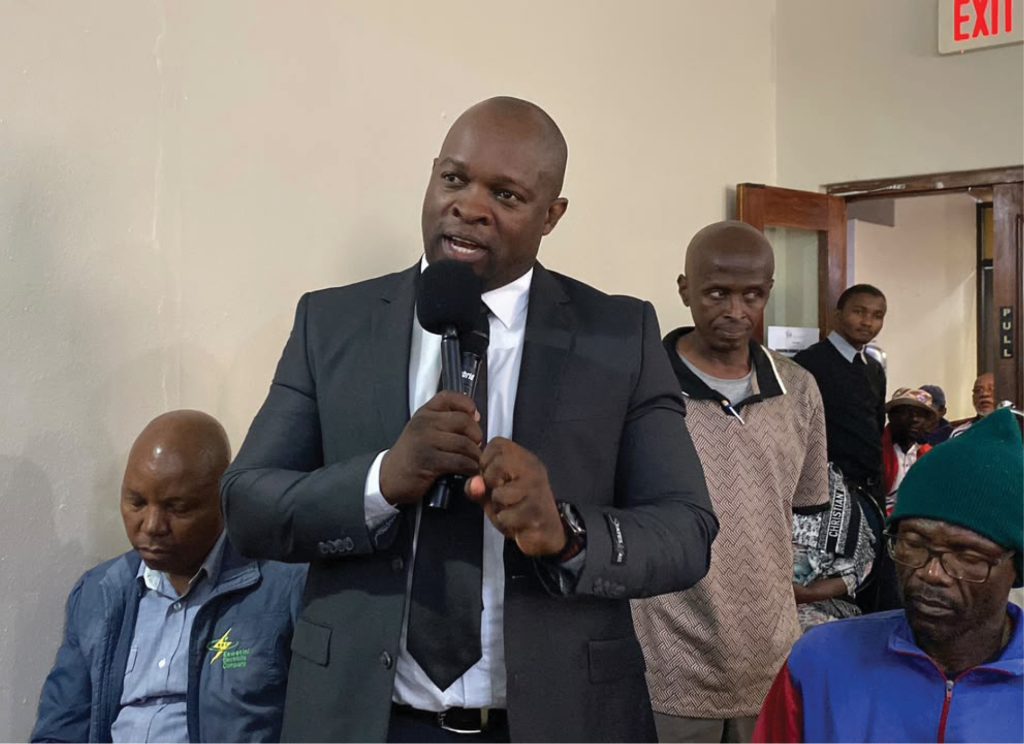
Eswatini Workers: Reject Electricity Tariff Hike at ESERA Hearing
Summary
- Civil society and trade union leaders in Eswatini's Manzini region have rejected proposed electricity tariff increases.
- The opposition was voiced during a recent Eswatini Energy Regulatory Authority (ESERA) hearing at The George Hotel.
- Groups, including the Swaziland National Association of Workers, cited existing struggles with low wages, unemployment, and higher bus fares as reasons for their rejection.
- They argued that households cannot absorb a second consecutive year of electricity price hikes.
- The leaders have threatened public protests if the Eswatini Energy Regulatory Authority tariffs are implemented.
Public Opposition to Tariff Hikes
They have issued a clear warning, threatening public protests should the ESERA proceed with the implementation of the higher tariffs.
Representatives from civil society organizations and leaders of various trade unions in the Manzini region have voiced strong opposition to proposed increases in electricity tariffs. This collective rejection was formally presented during a recent public hearing convened by the Eswatini Energy Regulatory Authority (ESERA), which took place at The George Hotel.
Among the prominent groups participating in the hearing was the Swaziland National Association of Workers, whose representatives, alongside other community advocates, articulated their concerns. Their unified stance underscored a significant public sentiment against the proposed Eswatini electricity price hike, emphasizing the already strained financial conditions faced by many households.
The groups collectively asserted that the nation's populace, particularly those in the Manzini area, is ill-equipped to absorb further financial burdens. This direct challenge to the ESERA's proposed changes highlights a growing tension between regulatory bodies and the public regarding essential service costs.
Economic Strain and Justification for Rejection
The primary justification for rejecting the proposed tariff increases stems from the severe economic pressures already confronting households across Eswatini. Advocates pointed to persistent low wages, widespread unemployment, and recent increases in bus fares as critical factors that have diminished the purchasing power and financial stability of ordinary citizens.
These representatives argued that imposing a second consecutive year of electricity price increases would be untenable for families already struggling to meet basic needs. The cumulative effect of these economic challenges means that any additional cost, particularly for an essential service like electricity, would push many households into deeper financial distress.
Their testimony at the ESERA hearing in Manzini painted a clear picture of a populace grappling with multiple economic headwinds. The groups stressed that the current economic climate simply does not allow for the absorption of further utility cost escalations, making the proposed Eswatini Energy Regulatory Authority tariffs particularly burdensome.
Regulatory Context and Future Actions
The Eswatini Energy Regulatory Authority (ESERA) is tasked with the critical responsibility of setting and regulating electricity tariffs within the country. The public hearing serves as a crucial platform for stakeholders to present their views before the authority makes its final determination on the proposed Eswatini electricity price hike.
In a significant development, the civil society and trade union leaders have not only rejected the proposed increases but have also indicated a willingness to escalate their opposition. They have issued a clear warning, threatening public protests should the ESERA proceed with the implementation of the higher tariffs.
This potential for widespread public demonstrations underscores the gravity of the situation and the depth of public dissatisfaction. The ultimate decision by ESERA regarding these tariffs will therefore have significant implications, not only for household budgets but also for social stability and the relationship between regulatory bodies and the citizenry.
Practical Implications
Lawyers advising businesses in Eswatini should monitor the ESERA's final decision on electricity tariffs and potential for public protests, as this could impact operational costs, supply stability, and compliance with any new energy regulations. Businesses should assess their energy budgets in light of potential increases or disruptions.
Source
How does this affect you?
Get an AI analysis of this article grounded in your jurisdictions, practice areas, and any policy documents you've uploaded to Wansom.
Finish Reading the Full Story and the Expert Analysis.
Get the latest legal & regulatory intelligence in Eswatini
Wansom is AI and can make mistakes.