
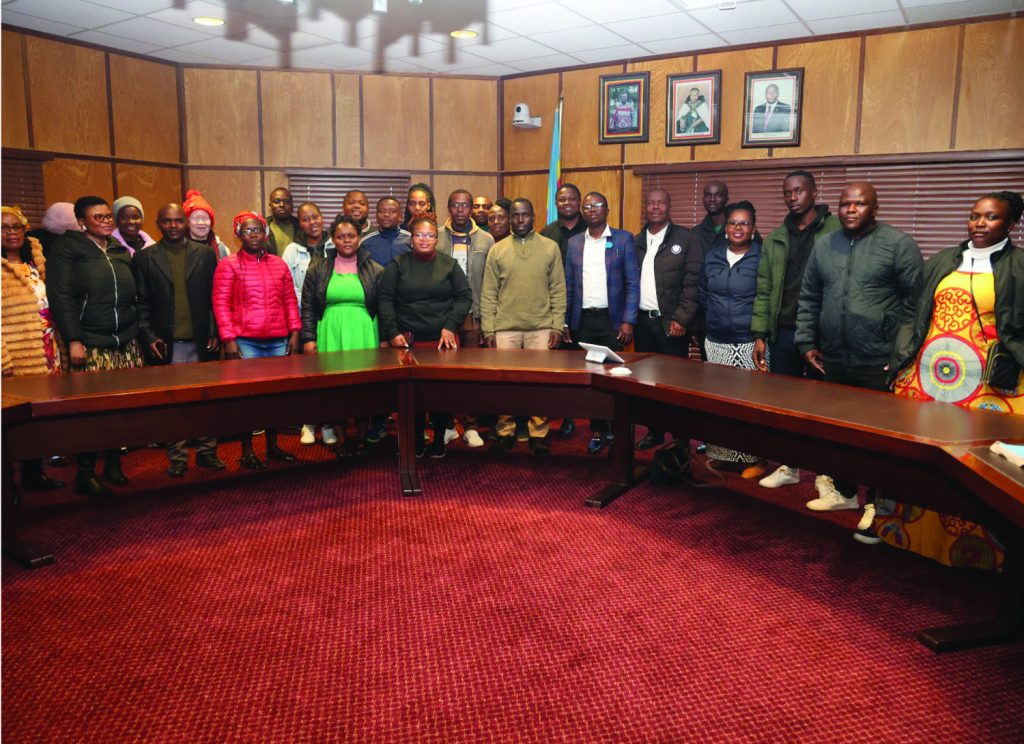
Eswatini High Court Stops TLC Probe: Interim Order Halts Malpractice Inquiry
Summary
- The Eswatini High Court issued an interim order halting a government inquiry into The Luke Commission.
- Judge John Magagula granted the order on a Wednesday.
- The order prevents the Commission from investigating, entering premises, interviewing employees, or accessing data.
- The inquiry was established to investigate alleged malpractice at the healthcare institution.
- While The Luke Commission's legal challenge against the Commission of Inquiry is ongoing, a previous application by TLC seeking to halt the probe was dismissed on a technicality, and TLC has since filed a new urgent application seeking to suspend the inquiry's operations.
Eswatini High Court Halts Probe
This demonstrates the judiciary's willingness to scrutinize the actions of executive-mandated bodies and ensure due process, even when such bodies are tasked with addressing serious allegations.
The Eswatini High Court has issued a significant interim order, effectively bringing to a standstill the operations of a government-appointed Commission of Inquiry. This judicial intervention, granted by Judge John Magagula on a Wednesday, specifically targets the probe into alleged malpractice at The Luke Commission (TLC), a prominent healthcare institution operating within the kingdom.
The directive from the High Court prevents the Commission from undertaking any investigative activities, including entering TLC's premises, conducting interviews with its employees, or accessing any of its critical documents and data. While The Luke Commission's legal challenge against the Commission of Inquiry is ongoing, a previous application by TLC seeking to halt the probe was dismissed on a technicality. TLC has since filed a new urgent application seeking to suspend the inquiry's operations, underscoring the judiciary's role in overseeing governmental investigative bodies.
The Inquiry's Mandate
The government-appointed Commission of Inquiry was established with the explicit purpose of investigating claims of malpractice within The Luke Commission. This Eswatini healthcare institution probe was designed to scrutinize various aspects of TLC's operations, responding to allegations that had prompted the government's intervention.
The mandate of the Commission typically involves a thorough examination of records, interviews with relevant personnel, and site visits to gather evidence pertaining to the alleged misconduct. However, the recent High Court interim order Magagula has now placed these extensive investigative efforts on an indefinite hold, pending the resolution of the legal dispute.
Scope of the Judicial Intervention
The interim order issued by the Eswatini High Court is notably broad in its scope, directly suspending all core functions of the TLC malpractice inquiry Eswatini. It explicitly prohibits the Commission from conducting any further investigations, thereby freezing its ability to gather new evidence or advance its findings.
Furthermore, the order bars the Commission from physically accessing The Luke Commission's facilities, preventing any on-site inspections or examinations. Critically, it also safeguards TLC's personnel and information, prohibiting the interviewing of employees and the accessing of any documents or data held by the institution. This comprehensive nature of the injunction ensures that the Commission cannot proceed with its work while the legality of its operations is being challenged in court.
Broader Legal Implications
The issuance of this interim order by the Eswatini High Court stops TLC probe activities and carries considerable legal weight, establishing a significant precedent for how government-appointed commissions of inquiry can be challenged within the country's legal framework. By suspending the Commission's powers to investigate, enter premises, interview staff, or access data, the court has provided The Luke Commission with a crucial reprieve while its legal arguments are considered.
This demonstrates the judiciary's willingness to scrutinize the actions of executive-mandated bodies and ensure due process, even when such bodies are tasked with addressing serious allegations. The ongoing legal battle initiated by The Luke Commission highlights the avenues available to institutions facing governmental scrutiny, and the High Court's decision to grant such a broad interim injunction suggests that the initial arguments presented by TLC regarding the inquiry's conduct or legality were compelling enough to warrant immediate protective action. This development will be closely watched by other entities in Eswatini, as it illustrates a potential strategic pathway for challenging the scope and authority of similar investigative commissions.
Practical Implications
Lawyers advising healthcare institutions or other entities facing government commissions of inquiry in Eswatini should note this precedent, which demonstrates the judiciary's willingness to grant interim orders halting investigations. This provides a strategic avenue for challenging the legality or scope of such inquiries, potentially delaying or preventing adverse findings. Compliance officers should be aware that any actions based on the findings of a halted inquiry are premature and may be legally unsound.
Source
How does this affect you?
Get an AI analysis of this article grounded in your jurisdictions, practice areas, and any policy documents you've uploaded to Wansom.
Wansom is AI and can make mistakes.