
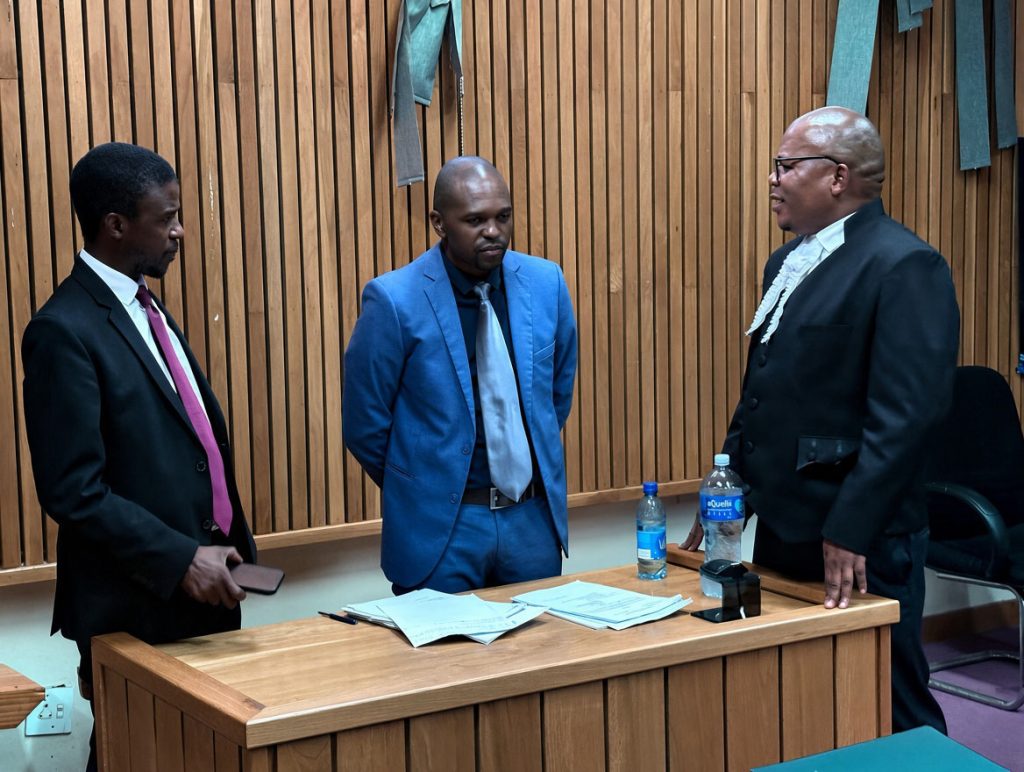
Eswatini Court: IB Dlamini SA House Explosive Origin Revealed
Summary
- Detective Assistant Superintendent Bhekani Shiba testified in the trial of businessman Zweli Dlamini.
- Shiba stated that an explosive device was allegedly found in Zweli Dlamini's possession.
- This explosive was obtained from Bonginkhosi IB Dlamini's house in South Africa.
- Zweli Dlamini is accused of a plot to destabilise Incwala last year.
Key Testimony in Incwala Plot Trial
The outcome of the trial may, in part, hinge on how the court evaluates the legality and integrity of the evidence obtained from South Africa, making this a pivotal moment in the Eswatini criminal proceedings and setting a precedent for future cross-border evidence handling.
During the ongoing Eswatini criminal proceedings against businessman Zweli Dlamini, a significant piece of testimony has emerged regarding an alleged plot to destabilise Incwala. Detective Assistant Superintendent Bhekani Shiba recently provided evidence, detailing the origin of an explosive device central to the prosecution's case. This testimony is crucial as it directly links the alleged implement of destabilization to a specific location outside Eswatini's borders, adding a new and complex dimension to the evidence presented in court.
The businessman, Zweli Dlamini, stands accused of orchestrating a scheme last year intended to destabilise the Incwala ceremony, a significant cultural event. The prosecution's case hinges on various pieces of evidence, with the alleged explosive device being a critical component in establishing the nature of the plot. Shiba's account sheds light on how this particular item was secured, emphasizing the cross-jurisdictional nature of the investigation into the alleged destabilise Incwala plot and its potential ramifications.
Cross-Border Evidence Collection Unveiled
Detective Assistant Superintendent Bhekani Shiba informed the court that the explosive device, purportedly found in Zweli Dlamini's possession, was not recovered within Eswatini itself. Instead, Shiba testified that the item was obtained from the residence of Bonginkhosi IB Dlamini, located in South Africa. This revelation introduces a complex element into the Eswatini criminal proceedings, highlighting the international cooperation involved in the investigation and the collection of the IB Dlamini SA house explosive. The geographical origin of this key piece of evidence underscores the transnational scope of the alleged criminal activity.
The collection of this critical piece of evidence from a foreign country raises important questions regarding the specific legal procedures followed for its seizure and transfer across international borders. The fact that the alleged explosive was sourced from Bonginkhosi IB Dlamini's South African home underscores the transnational nature of the alleged plot, suggesting a broader scope to the investigation than initially perceived. The testimony by Detective Assistant Superintendent Bhekani Shiba thus provides a critical detail about the chain of custody for this pivotal piece of evidence, which is now central to the Zweli Dlamini Incwala trial.
Legal Ramifications for the Trial
The testimony regarding the IB Dlamini SA house explosive carries substantial weight for the Zweli Dlamini Incwala trial. The court will need to meticulously consider the admissibility and provenance of evidence collected from a foreign jurisdiction, which often involves specific legal protocols and mutual assistance treaties between nations. The assertion that the explosive was obtained from Bonginkhosi IB Dlamini's South African residence directly impacts the narrative of the alleged plot to destabilise Incwala, potentially influencing how the court perceives the planning and execution of the alleged scheme and the credibility of the evidence itself.
This development underscores the intricate nature of criminal investigations that span national borders, particularly when key evidence originates from another sovereign state. The Detective Assistant Superintendent Bhekani Shiba testimony provides a concrete link between the accused and an explosive device, but its foreign origin could introduce procedural challenges regarding its legal standing in Eswatini's courts. The outcome of the trial may, in part, hinge on how the court evaluates the legality and integrity of the evidence obtained from South Africa, making this a pivotal moment in the Eswatini criminal proceedings and setting a precedent for future cross-border evidence handling.
Practical Implications
This development highlights the cross-jurisdictional nature of evidence collection in criminal proceedings, particularly concerning the admissibility and chain of custody of evidence obtained from a foreign country. Lawyers should scrutinize the legal procedures followed for obtaining evidence across borders and its potential impact on the trial's outcome.
Source
How does this affect you?
Get an AI analysis of this article grounded in your jurisdictions, practice areas, and any policy documents you've uploaded to Wansom.
Wansom is AI and can make mistakes.