
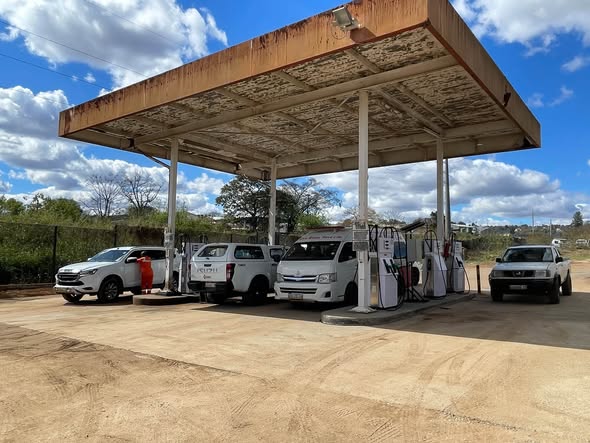
Eswatini Government: Implements New Fuel Management System to Combat Theft
Summary
- Eswatini introduced an encrypted Fuel Management System in 2022 to prevent theft, diversion, and shortages across its government fleet.
- The system ensures vehicles are refueled based on capacity and prior usage, linking each transaction to mileage.
- Implemented in phases, the system covers government, parastatal, and local government vehicles.
- In 2023, the system saved the Eswatini government E100 million by enhancing fuel security and accountability.
- Managed by the Ministry of Finance, this initiative is a key part of Eswatini's anti-corruption and digital transformation efforts.
Introduction of New Controls
This initiative highlights the Eswatini government's commitment to combating corruption and enhancing accountability in public resource management.
The Eswatini government has significantly enhanced its oversight of fuel consumption across its extensive vehicle fleet by implementing an advanced, encrypted Fuel Management System. This strategic initiative, introduced in 2022, was designed with the primary objective of preventing fuel theft, addressing diversion issues, and mitigating shortages that have historically plagued public resource management. The system ensures that government vehicles are refilled precisely according to their designated tank capacity, and critically, only after the previously dispensed fuel has been utilized, with each transaction meticulously linked to the vehicle's recorded mileage.
This comprehensive approach to "Eswatini public fleet fuel control" represents a robust effort to curb long-standing issues of fuel misuse within public service operations. The phased rollout began with all government vehicles in its initial stage, demonstrating a clear commitment to securing public assets. The subsequent phases extended coverage to parastatal vehicles and then to local government vehicles, illustrating a broad and systematic implementation strategy across the public sector.
System Mechanics and Tangible Impact
The operational backbone of the "Eswatini government fuel management system" relies on sophisticated technology to ensure "Government vehicle fuel security Eswatini." Each vehicle is equipped with a unique electronic tag, which is intrinsically linked to its registration number and its specific fuel tank capacity. When a vehicle approaches a fuel pump, a specialized device reads this tag, authorizing the precise amount of fuel to be dispensed. This mechanism ensures that only authorized vehicles receive fuel, and only up to their legitimate capacity.
Crucially, the system meticulously records every detail of the refuelling process: the exact quantity of fuel dispensed, the precise date and time of the transaction, the location where the fuel was obtained, and the vehicle's mileage at that moment. This granular data collection has already yielded significant financial benefits. In 2023 alone, the system was credited with saving the government a remarkable E100 million, a figure confirmed by Accountant General Nomsa Simelane, who described the system as "water-tight" against illicit activities.
Broader Governance and Future Expansion
Beyond its immediate financial impact, the "Eswatini government fuel management system" is a pivotal component of the nation's broader anti-corruption strategy. It aims to significantly enhance accountability in the management of public resources, fostering greater transparency in how taxpayer money is spent on operational costs. The Ministry of Finance, under the direct oversight of the Accountant General, manages this critical infrastructure, ensuring its integrity and effectiveness.
The system's integration with the government's overarching financial management system allows for real-time monitoring of fuel expenditure and facilitates accurate reconciliation of consumption patterns. This capability generates detailed reports that are instrumental in identifying any discrepancies or suspicious activities, thereby strengthening "Eswatini anti-corruption fuel measures." Looking ahead, the government plans to expand the system's application to include other fuel-consuming government assets, such as generators and heavy machinery, further solidifying its commitment to comprehensive resource control.
Strategic Importance and Digital Transformation
This initiative highlights the Eswatini government's commitment to combating corruption and enhancing accountability in public resource management. The implementation of this "SZ encrypted fuel theft prevention" system is not merely an operational upgrade but a strategic move towards modernizing public services and improving overall governance. It represents a key component of the government's ambitious digital transformation agenda, leveraging technology to promote efficiency, reduce operational costs, and foster a culture of transparency across all public sectors.
The successful deployment and demonstrated savings underscore the potential for technological solutions to address complex governance challenges. By ensuring rigorous control over a vital operational resource like fuel, the Eswatini government is setting a precedent for responsible stewardship and demonstrating a proactive stance against financial impropriety. This systematic approach to managing public assets is expected to yield long-term benefits in fiscal discipline and public trust.
Practical Implications
This initiative highlights the Eswatini government's commitment to combating corruption and enhancing accountability in public resource management. Lawyers advising entities that contract with the Eswatini government, particularly in logistics or fuel supply, should note this trend as it may foreshadow stricter compliance requirements or procurement standards in future engagements.
Source
How does this affect you?
Get an AI analysis of this article grounded in your jurisdictions, practice areas, and any policy documents you've uploaded to Wansom.
Finish Reading the Full Story and the Expert Analysis.
Get the latest legal & regulatory intelligence in Eswatini
Wansom is AI and can make mistakes.