
Eswatini Senate Questions EPTC Pension Crisis Accountability
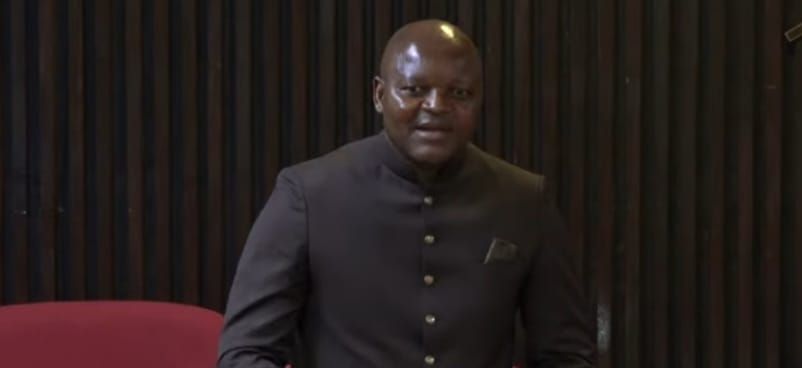
Senator Tony Sibandze, in Eswatini's Senate, questioned on October 5, 2026, whether anyone has been held accountable for the long-running pension crisis at the Eswatini Posts and Telecommunications Corporation (EPTC), as the government prepares to use a new loan to address the issue. This parliamentary inquiry highlights a significant concern regarding financial mismanagement and accountability within a key parastatal, drawing attention to the historical challenges faced by the EPTC pension fund. The Senator's intervention underscores the legislative branch's oversight role in public finance and corporate governance.
This parliamentary questioning carries substantial legal significance for practitioners, businesses, and the public in Eswatini. It signals a heightened focus on corporate governance, fiduciary duties, and the responsible management of public or quasi-public funds within parastatal entities. For legal professionals, this development suggests that past financial mismanagement, even if historical, remains subject to scrutiny and potential demands for accountability. The government's move to inject funds via a loan, while addressing the immediate crisis, does not necessarily absolve individuals or entities previously responsible for the fund's precarious state, potentially paving the way for investigations into negligence or malfeasance.
The legal context for this issue is multifaceted, drawing upon Eswatini's Public Finance Management Act, which governs the use and accountability of public funds, and potentially the Companies Act for corporate governance aspects of the EPTC as a parastatal. Pension funds in Eswatini are typically regulated by specific legislation designed to ensure their solvency and proper administration, imposing strict fiduciary duties on their trustees and administrators. The Senate, as part of the legislative arm, exercises crucial oversight functions, including the power to question government actions and the performance of public enterprises. While the excerpt does not report any specific legal ruling or outcome, it indicates a parliamentary process that could lead to further investigations or demands for legal action.
The key parties involved in this matter include Senator Tony Sibandze, the Eswatini Senate, the Eswatini Posts and Telecommunications Corporation (EPTC), and the Eswatini Government. The individuals or entities responsible for the historical management of the EPTC pension fund are also implicitly under scrutiny.
Practitioners advising parastatals, pension funds, or government entities in Eswatini should take note of this increased parliamentary and public scrutiny on financial accountability and corporate governance. It is imperative to review clients' compliance with public finance regulations, pension fund legislation, and corporate governance best practices. Attorneys should prepare for potential investigations, audits, or demands for accountability concerning historical and ongoing financial management, and monitor parliamentary proceedings for further developments on this and similar issues, as the appetite for holding individuals responsible for mismanagement appears to be growing.
How does this affect you?
Get an AI analysis of this article grounded in your jurisdictions, practice areas, and any policy documents you've uploaded to Wansom.
Finish Reading the Full Story and the Expert Analysis.
Get the latest legal & regulatory intelligence in Eswatini
Wansom is AI and can make mistakes.