
Eswatini Parliament: MP Dlamini Questions Church Regulation Policy
Summary
- Mbabane East MP Welcome Dlamini stated that only Jesus can regulate churches in Eswatini.
- The MP made this statement during a parliamentary debate on the Ministry of Home Affairs' budget performance report.
- Dlamini confirmed his awareness that the Ministry of Home Affairs had concluded a church regulation policy.
- He also questioned the Ministry about the specific aims of the newly finalized policy.
Parliamentary Scrutiny of Church Regulation
MP Dlamini explicitly stated his belief that "only Jesus can regulate churches in the country," a declaration that underscores a significant point of contention.
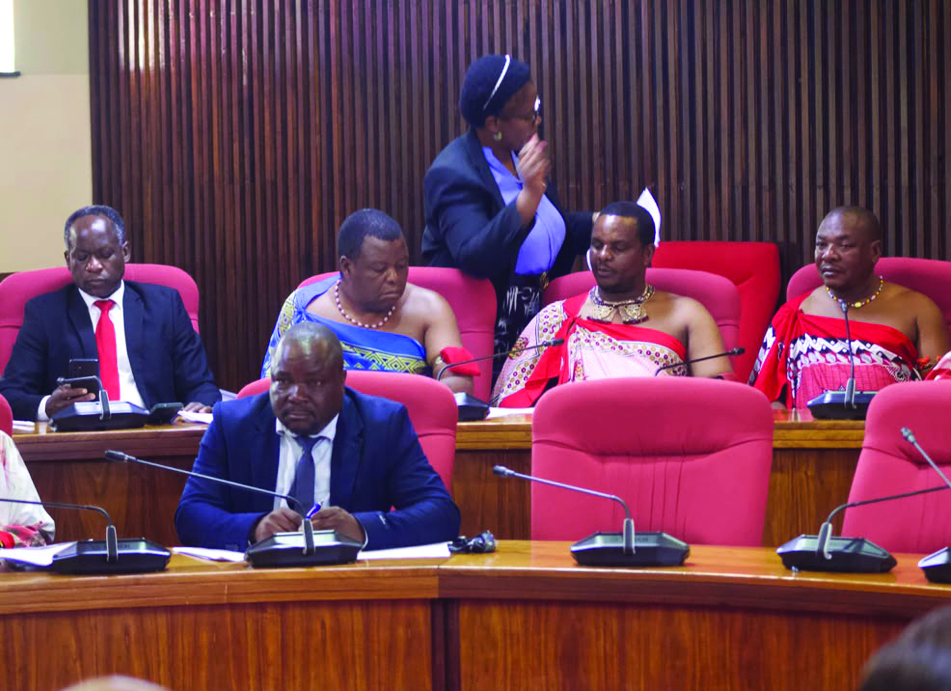
During a recent parliamentary session focused on the Ministry of Home Affairs' second-quarter budget performance report, Mbabane East Member of Parliament Welcome Dlamini voiced a strong opinion regarding the proposed Eswatini church regulation policy. The legislative body was engaged in its oversight duties when the discussion turned to the government's efforts to formalize guidelines for religious organizations within the country. This exchange highlights the ongoing Eswatini church regulation policy debate and the differing perspectives on state involvement in religious affairs.
MP Dlamini explicitly stated his belief that "only Jesus can regulate churches in the country," a declaration that underscores a significant point of contention. He acknowledged his understanding that the Ministry of Home Affairs Eswatini had completed the development of this policy. Following this acknowledgment, the MP pressed the Ministry for clarification, specifically inquiring about the precise objectives and intended scope of the newly concluded policy. His questions signal a desire for transparency and a deeper understanding of the government's rationale behind such a regulatory framework.
The Ministry's Concluded Policy
The Ministry of Home Affairs has, according to MP Dlamini, finalized a policy designed to regulate religious organizations in Eswatini. While the specifics of this policy remain largely undisclosed to the public, its completion marks a significant step in the government's approach to overseeing the operations of churches and other faith-based groups. The absence of detailed information regarding the policy's aims has prompted parliamentary inquiry, suggesting a need for greater clarity from the executive branch.
This development places the Ministry of Home Affairs Eswatini at the center of discussions concerning the balance between state governance and religious autonomy. The policy's conclusion implies that the government intends to implement a more structured framework for religious bodies, potentially impacting their registration, governance, and activities. The nature of these regulations, however, is still subject to parliamentary debate and public scrutiny, as evidenced by the recent questions posed by legislators.
Implications for Religious Organizations
The ongoing Eswatini church regulation policy debate carries substantial implications for religious organizations across the nation. MP Welcome Dlamini's assertion that only a divine authority should regulate churches reflects a sentiment that could resonate widely among faith leaders and congregants who may view government intervention as an infringement on religious freedom. The finalization of the policy by the Ministry of Home Affairs Eswatini suggests that new compliance obligations or operational restrictions are likely on the horizon for these groups.
Lawyers advising religious organizations in Eswatini should closely monitor both the Ministry of Home Affairs and parliamentary proceedings as the Eswatini Parliament church policy moves towards potential implementation. Understanding the specific provisions of this new framework will be crucial for ensuring that religious bodies can navigate the evolving regulatory landscape effectively. The outcome of this policy will undoubtedly shape the future operational environment for religious practice and organization within the country, making the current debate a critical juncture for all stakeholders.
Practical Implications
Lawyers advising religious organizations in Eswatini should closely monitor the Ministry of Home Affairs and parliamentary proceedings for the finalization and implementation of the church regulation policy, as it will likely introduce new compliance obligations or operational restrictions for their clients.
Source
How does this affect you?
Get an AI analysis of this article grounded in your jurisdictions, practice areas, and any policy documents you've uploaded to Wansom.
Wansom is AI and can make mistakes.