
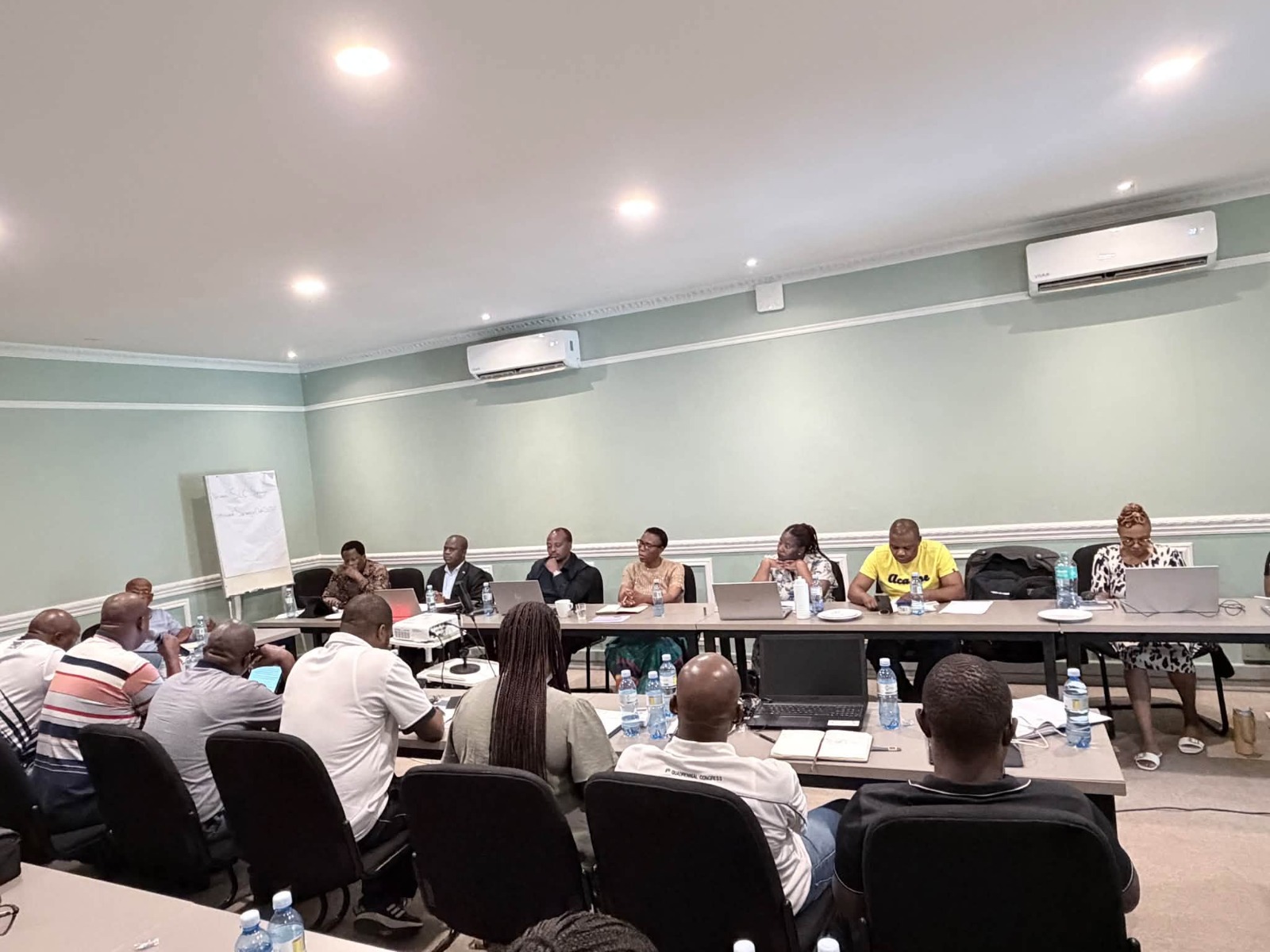
Eswatini: CoLA Negotiations 2026/2027 Face Implementation Dispute
Summary
- A collective agreement for a salary review, including adjustments for the 2026/2027 financial year, was signed between the Eswatini government and Public Sector Unions on October 15, 2025.
- This agreement included salary increments for public servants, with back pay payments extending into July 2026.
- Despite the signed agreement, new disputes have arisen, particularly concerning the government's decision to suspend the annual notching exercise until April 2027, leading to protests from unions.
- The ongoing disputes over the full implementation of the salary review could have broad implications for public services and labor relations.
Negotiations Reach Impasse
For legal professionals, particularly those advising clients with public sector contracts or operating within the labor relations space in Eswatini, it is crucial to closely monitor these ongoing negotiations.
A collective agreement for a salary review, which included adjustments for the 2026/2027 financial year, was signed between the Eswatini government and its Public Sector Unions (PSUs) on October 15, 2025, following extensive negotiations. This agreement covered salary increments for public servants, with 15% backpay paid in October 2025 and the remaining 85% backpay and consequential allowances scheduled for July 2026. While this agreement addressed the core salary adjustments, subsequent disputes have arisen regarding its full implementation, particularly concerning the annual notching exercise, which the government has stated will not occur until April 2027.
The inability to find common ground on these implementation issues underscores the depth of the disagreement. The process, which is a crucial component of the annual review of public sector remuneration, has revealed a fundamental divergence in expectations and fiscal priorities between the government and its employees. This ongoing deadlock sets a precedent for potentially protracted discussions as stakeholders navigate the complexities of public finance and employee welfare.
Conflicting Proposals on Salary Adjustment
While the initial negotiations for the 2026/2027 Cost of Living Adjustment (CoLA) involved differing proposals, a collective agreement for a comprehensive salary review was ultimately signed on October 15, 2025. This agreement included salary adjustments for civil servants, with payments extending into the 2026/2027 financial year. However, new points of contention have emerged regarding the full implementation of this agreement, such as the government's decision to suspend the annual notching exercise until April 2027, which has led to protests from Public Sector Unions. This significant gap between the agreed-upon salary review and its full implementation represents a formidable hurdle in the ongoing SZ public sector wage talks, requiring considerable effort to bridge.
Implications for Public Sector and Legal Stakeholders
The unresolved Eswatini government unions salary dispute carries significant implications for the nation's public services, economic stability, and the broader labor landscape. A prolonged disagreement over the Cost of Living Adjustment Eswatini could potentially escalate, leading to various forms of industrial action, including strikes. Such actions would inevitably disrupt essential government functions and impact the delivery of critical services to the populace, ranging from healthcare to education. This scenario would not only affect the daily lives of citizens but also create an environment of uncertainty for businesses and investors operating within the kingdom, potentially dampening economic confidence.
For legal professionals, particularly those advising clients with public sector contracts or operating within the labor relations space in Eswatini, it is crucial to closely monitor these ongoing negotiations. A protracted dispute might precipitate widespread industrial action, which could directly impact service delivery schedules or lead to calls for legislative amendments concerning public sector employment terms and conditions. These potential changes could, in turn, significantly affect compliance obligations for businesses, alter the landscape of labor relations, or even impact the performance of existing contractual agreements with government entities. The current SZ public sector wage talks are therefore more than just a salary discussion; they serve as a critical barometer for future stability and potential regulatory shifts within the kingdom's public sector, demanding careful attention from all stakeholders.
Practical Implications
Lawyers advising clients with public sector contracts or those in the labor relations space in Eswatini should monitor these ongoing negotiations closely. A prolonged dispute could lead to industrial action, impacting service delivery or creating pressure for legislative changes related to public sector employment terms, which could affect compliance obligations or contractual performance.
Source
How does this affect you?
Get an AI analysis of this article grounded in your jurisdictions, practice areas, and any policy documents you've uploaded to Wansom.
Finish Reading the Full Story and the Expert Analysis.
Get the latest legal & regulatory intelligence in Eswatini
Wansom is AI and can make mistakes.