
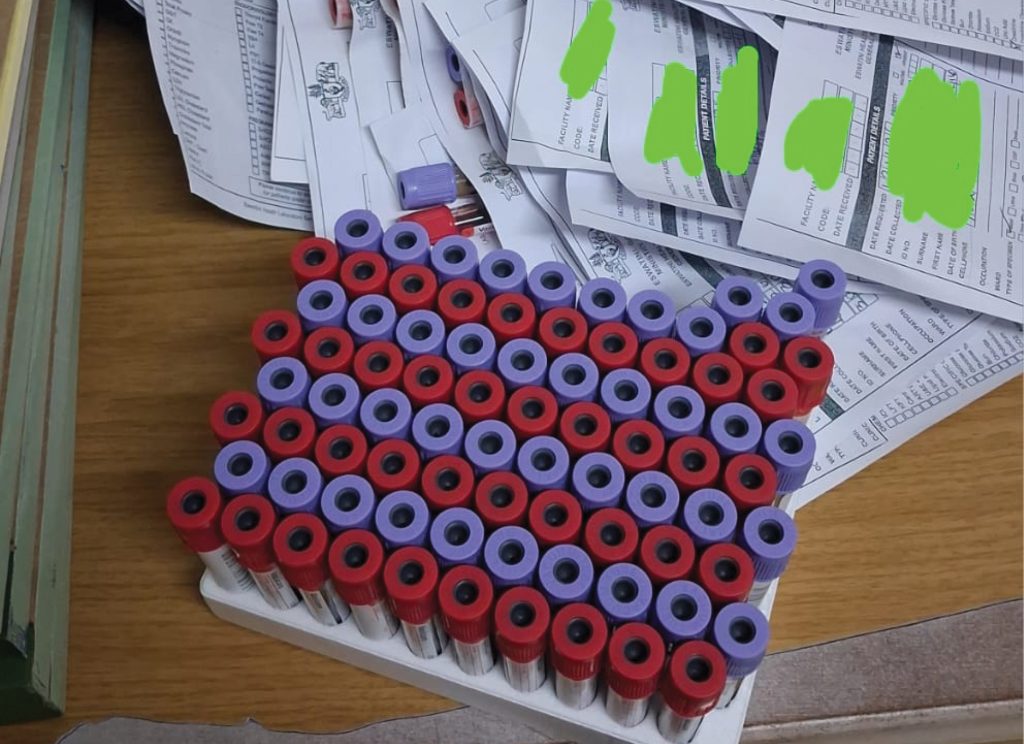
Eswatini: Phlebotomist Job Description Dispute Sparks Service Disruption
Summary
- Phlebotomists in Eswatini have partially withdrawn their services, causing alleged disruptions at public clinics and hospitals.
- The action stems from the introduction of a new job description by their supervisors.
- The affected workers are employed by the Eswatini Health Laboratory Services.
- Staff representative Zandile Mthandi has commented on the situation.
- The dispute has led to reported service disruptions across the country's healthcare facilities.
Service Withdrawal Across Eswatini
This Eswatini phlebotomist job description dispute carried significant implications for the nation's healthcare system, potentially setting a precedent for future labor negotiations within the public health sector.
Healthcare services at public clinics and hospitals throughout Eswatini are reportedly experiencing disruptions following a decision by phlebotomists to scale back some of their duties. This action by the essential medical personnel has led to an alleged impact on the delivery of laboratory services across the nation's health infrastructure. The withdrawal of services is a direct response to the implementation of a revised job description by their supervising bodies.
The phlebotomists involved in this industrial action are those employed under the Eswatini Health Laboratory Services. Their collective decision to reduce their work output underscores a growing tension within the public health sector regarding employment terms and responsibilities. The situation highlights a significant challenge for the country's healthcare system, as these professionals are crucial for diagnostic testing and patient care.
The Core of the Dispute
At the heart of the unrest at the time is a new job description introduced by supervisors, which phlebotomists contend alters their roles and responsibilities in an unacceptable manner. This Eswatini phlebotomist job description dispute became the central point of contention, prompting the workers to take industrial action by partially withdrawing their services. The specifics of the new job description, while not fully detailed, are understood to be the catalyst for the widespread disruption.
The disagreement over the revised duties reflects broader concerns among healthcare workers regarding their working conditions and the scope of their professional obligations. Such disputes can often escalate, impacting not only the immediate services but also long-term labor relations within the Eswatini Health Laboratory Services and the wider public health system. The staff representative, Zandile Mthandi, spoke on behalf of the affected workers at the time, indicating the organized nature of their response to the new terms.
Impact on Public Health Services
The alleged disruption to services is not confined to a single facility but is reportedly affecting public clinics and hospitals across the entire country. This widespread impact means that patients seeking medical attention, particularly those requiring blood tests or other laboratory diagnostics, may face delays or reduced access to care. The critical role of phlebotomists in the diagnostic process makes their partial withdrawal of services a significant impediment to the smooth functioning of healthcare operations.
Such an Eswatini public clinics disruption can have cascading effects, potentially delaying diagnoses, treatment plans, and overall patient management. The situation underscores the delicate balance between employer-employee relations and the imperative of maintaining uninterrupted public health services. The involvement of Zandile Mthandi, as a representative, suggested communication or negotiation efforts at the time, though the immediate impact on service delivery remains a pressing concern.
Legal and Precedential Implications
This Eswatini phlebotomist job description dispute carried significant implications for the nation's healthcare system, potentially setting a precedent for future labor negotiations within the public health sector. Lawyers advising healthcare institutions or labor unions in Eswatini should closely monitor this situation, as its resolution could influence how similar disputes are handled in the future. The need for legal intervention to resolve service disruptions or formalize new agreements remains a distinct possibility.
Furthermore, compliance officers within the Eswatini Health Laboratory Services and other healthcare entities must assess the potential impacts on service delivery and patient care from a regulatory standpoint. The Eswatini labor dispute health sector is a sensitive area, and any prolonged disruption could raise questions about the institutions' ability to meet their obligations. The outcome of this dispute will likely inform strategies for managing employee relations and ensuring service continuity across Eswatini's public health landscape.
Practical Implications
Lawyers advising healthcare institutions or labor unions in Eswatini should monitor this dispute regarding new job descriptions for phlebotomists, as it could set a precedent for future labor negotiations or require legal intervention to resolve service disruptions. Compliance officers should assess potential impacts on service delivery and patient care.
Source
How does this affect you?
Get an AI analysis of this article grounded in your jurisdictions, practice areas, and any policy documents you've uploaded to Wansom.
Finish Reading the Full Story and the Expert Analysis.
Get the latest legal & regulatory intelligence in Eswatini
Wansom is AI and can make mistakes.