
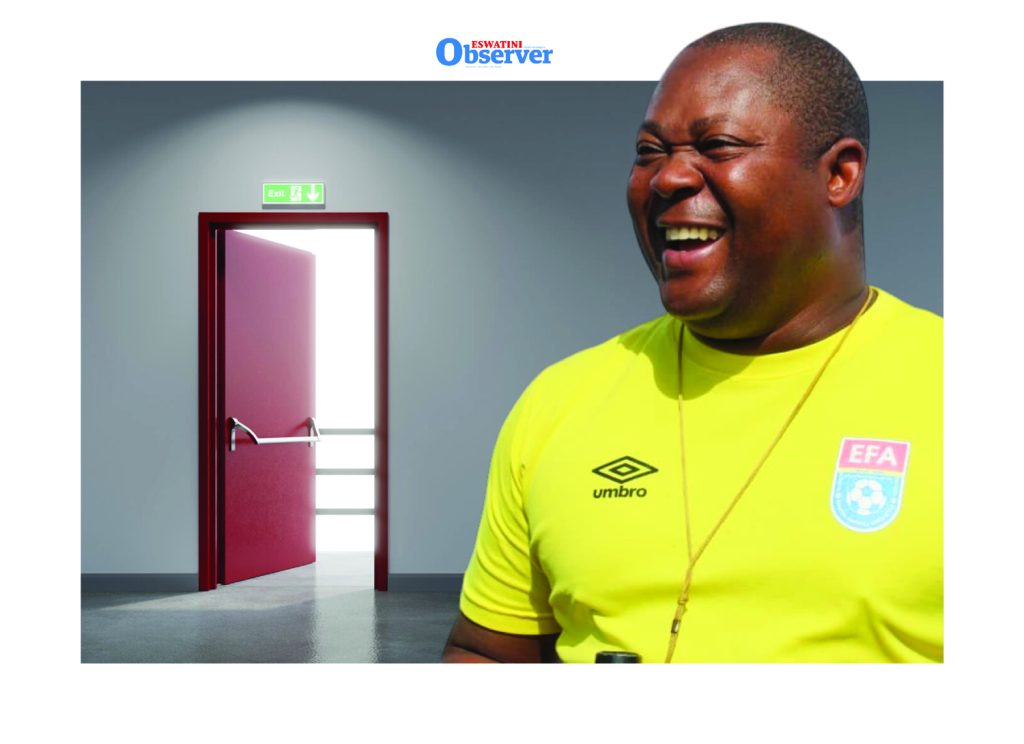
Ntibane EFA Unfair Dismissal: CMAC Case Against Football Association
Summary
- Former Sihlangu Semnikati interim head coach Sifiso 'Nuro' Ntibane has initiated proceedings against the Eswatini Football Association.
- Ntibane filed a case with the Conciliation, Mediation and Arbitration Commission (CMAC) regarding his dismissal.
- The former coach is contesting his termination, asserting it constituted an unfair dismissal.
- This action could lead to a significant legal dispute between Ntibane and the national football governing body.
What Happened
This case could establish an important precedent for how similar disputes are handled in the future, particularly for coaches and other personnel employed by national sports associations.
Sifiso 'Nuro' Ntibane, who previously served as the interim head coach for Sihlangu Semnikati, has initiated formal proceedings against the Eswatini Football Association (EFA). This action marks a significant development in what could become a protracted legal confrontation between the former national team coach and the country's primary football governing body.
Ntibane has formally lodged a complaint with the Conciliation, Mediation and Arbitration Commission (CMAC) in Eswatini. His filing specifically challenges his dismissal from the coaching role, which he contends was carried out unfairly. This move signals his intent to seek redress through established legal channels for employment disputes within the kingdom.
The engagement of CMAC in this matter underscores the seriousness of Ntibane's claim. As the Eswatini Football Association is the national entity responsible for overseeing football activities, any legal challenge against it, particularly concerning employment practices, carries substantial weight and could attract considerable attention within the sports community and beyond.
Legal Context
The Conciliation, Mediation and Arbitration Commission (CMAC) plays a crucial role in resolving Eswatini labour disputes, serving as an independent body designed to mediate and arbitrate conflicts between employers and employees. Its involvement in this case highlights the established legal framework available for individuals, even those in high-profile sports positions, to contest perceived injustices in their employment.
For the Eswatini Football Association, this represents a direct engagement with the country's employment law mechanisms. The CMAC Eswatini employment process typically involves attempts at conciliation, followed by mediation, and if no agreement is reached, arbitration, where a binding decision can be made. This structured approach ensures that both parties have an opportunity to present their case and seek a resolution under the guidance of an impartial body.
This particular Eswatini labour dispute involving a football coach and the national association could provide valuable insights into how CMAC approaches employment claims within sports organizations. The outcome may clarify the rights and obligations of coaches and sports bodies under Eswatini labour law, potentially influencing future contractual agreements and dismissal procedures across the sector.
Why It Matters
The decision by Sifiso 'Nuro' Ntibane to pursue an unfair dismissal claim against the Eswatini Football Association through CMAC carries significant implications for the landscape of Eswatini football and employment law. This case could establish an important precedent for how similar disputes are handled in the future, particularly for coaches and other personnel employed by national sports associations.
Should Ntibane's claim be upheld, it would send a clear message regarding accountability for employment practices within sports organizations, emphasizing that even powerful entities like the EFA are subject to the nation's labour laws. Conversely, the EFA's defense and the subsequent CMAC ruling will be closely watched by other sports bodies in Eswatini, as it could inform their own human resources policies and legal strategies.
Ultimately, this Eswatini labour dispute football case underscores the increasing professionalization of sports employment and the necessity for robust legal recourse when disputes arise. The resolution of this matter by the Conciliation, Mediation and Arbitration Commission will not only impact the individuals directly involved but could also shape the future of employment relations within the broader Eswatini sports sector.
Practical Implications
This case highlights the use of Eswatini's Conciliation, Mediation and Arbitration Commission (CMAC) for resolving employment disputes within sports bodies, potentially setting a precedent for future unfair dismissal claims against national sports associations and offering insights into the CMAC's approach to such matters.
Source
How does this affect you?
Get an AI analysis of this article grounded in your jurisdictions, practice areas, and any policy documents you've uploaded to Wansom.
Finish Reading the Full Story and the Expert Analysis.
Get the latest legal & regulatory intelligence in Eswatini
Wansom is AI and can make mistakes.