
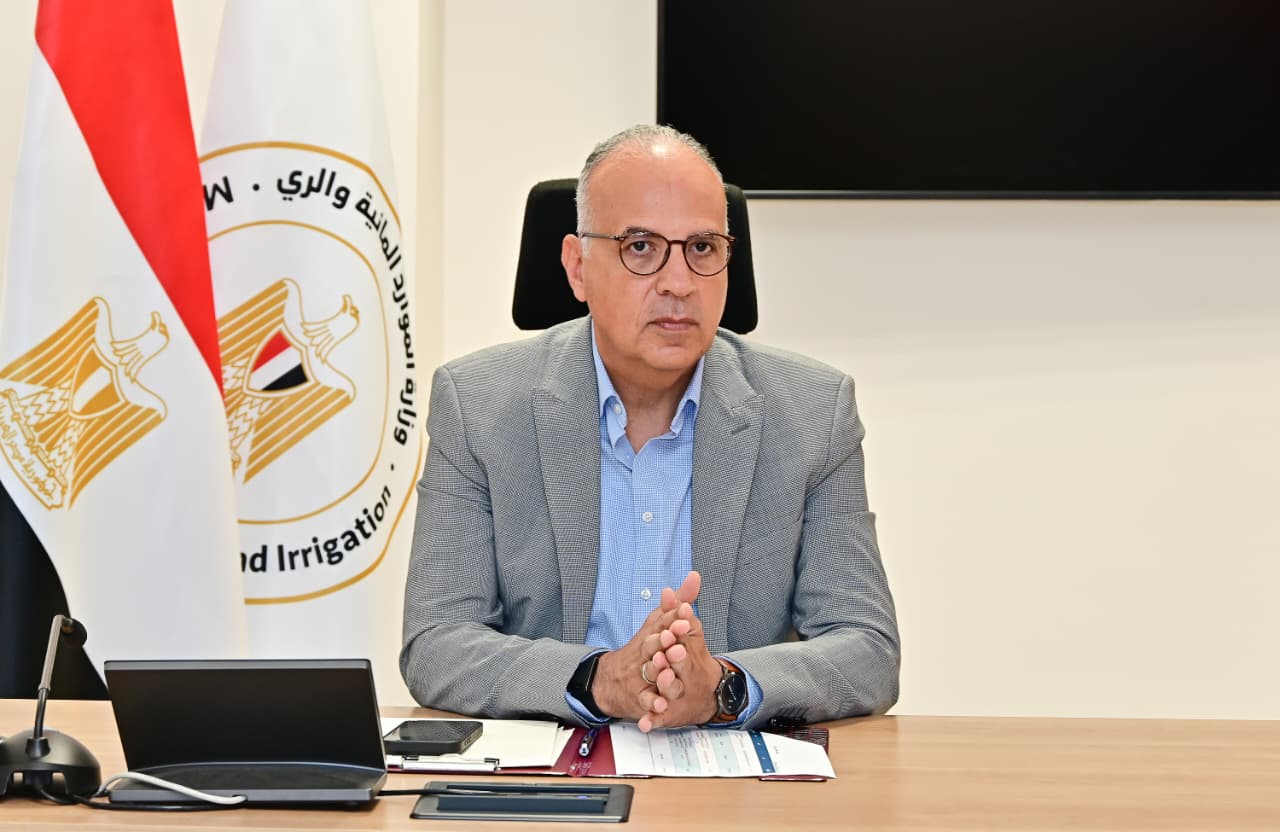
Egypt Orders Canal Bridge Drain Inspections After MP Requests
Summary
- Egypt's Water Resources and Irrigation Ministry has ordered field inspections for numerous canal bridges and drainage systems.
- The inspections aim to determine the need for maintenance or replacement of these bridges.
- An agricultural drain is also slated for inspection to assess its proposed cleaning requirements.
- These directives were issued following specific requests made by members of the Egyptian parliament.
- Minister Hani Sewilam discussed the parliamentary requests in a meeting, leading to the inspection orders.
New Infrastructure Inspection Mandate
The impetus for these extensive infrastructure inspections stems directly from requests put forth by members of the Egyptian parliament.
Egypt's Water Resources and Irrigation Ministry has initiated a comprehensive program of field inspections targeting critical infrastructure across the nation. This directive specifically mandates the assessment of numerous bridges spanning canals and various drainage systems. The primary objective of these evaluations is to ascertain the current structural integrity and operational status of these structures, thereby determining whether they necessitate immediate maintenance interventions or, in cases of significant deterioration, complete replacement.
Beyond the bridge infrastructure, the Ministry's order extends to a particular agricultural drain, which has been identified for a proposed cleaning operation. The inspections are designed to provide a detailed assessment of its condition, informing the scope and necessity of the planned cleaning. This proactive approach underscores a governmental focus on maintaining the functionality and safety of vital water management assets throughout Egypt, ensuring their continued service to agricultural and transportation needs.
Legislative Impetus for Oversight
The impetus for these extensive infrastructure inspections stems directly from requests put forth by members of the Egyptian parliament. Lawmakers have evidently highlighted concerns regarding the state of these critical assets, prompting the executive branch to take action. This demonstrates a responsive governmental mechanism where legislative oversight can directly influence administrative priorities and resource allocation towards public works.
Water Resources and Irrigation Minister Hani Sewilam played a central role in addressing these parliamentary concerns. He engaged in discussions regarding the specific requests during a dedicated meeting, which ultimately led to the formal order for the field inspections. This interaction between the legislative and executive branches highlights a collaborative effort to ensure the upkeep of essential national infrastructure, particularly within the vital sectors of water management and irrigation.
Broader Implications for Infrastructure Management
The directive for these widespread inspections signals a heightened governmental focus on the maintenance and longevity of Egypt's water-related infrastructure. Such a concentrated effort on identifying maintenance needs for canal bridges and agricultural drains suggests a strategic shift towards preventative measures and timely interventions rather than reactive responses to failures. This could lead to more robust infrastructure management policies and increased budgetary allocations for upkeep in the future.
This development also underscores the growing importance of infrastructure inspections as a tool for national development and environmental stewardship. Ensuring the proper functioning of agricultural drains, for instance, is crucial for land productivity and preventing waterlogging, while well-maintained canal bridges are essential for transportation and economic activity. The involvement of the Egypt Water Resources Irrigation Ministry, under Minister Hani Sewilam, in responding to Egyptian parliamentary infrastructure requests, reinforces the inter-ministerial and legislative commitment to safeguarding these vital national assets.
Practical Implications
This development signals increased government scrutiny on infrastructure maintenance in Egypt, potentially impacting construction companies, infrastructure developers, and environmental compliance officers. Lawyers advising clients in these sectors should monitor for new regulatory requirements, tender opportunities, or potential liabilities arising from these inspections.
Source
How does this affect you?
Get an AI analysis of this article grounded in your jurisdictions, practice areas, and any policy documents you've uploaded to Wansom.
Finish Reading the Full Story and the Expert Analysis.
Wansom is AI and can make mistakes.