
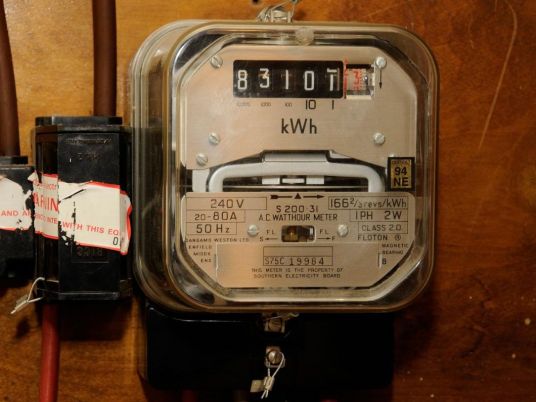
Egypt's Electricity Ministry: Faulty Meters to Be Replaced Within 72 Hours
Egypt's Ministry of Electricity and Renewable Energy confirmed on Sunday that direct instructions have been issued to replace faulty electricity meters for citizens within a maximum of 72 hours. This significant directive, announced by the Ministry, also includes the standardization of connection fees across all distribution companies nationwide and offers customers the option to pay outstanding balances and arrears in instalments. These measures are clearly aimed at enhancing consumer protection and streamlining service delivery within the vital electricity sector, addressing common grievances related to service efficiency and billing transparency.
This development carries substantial legal significance for both consumers and electricity distribution companies in Egypt. For consumers, it establishes a clear service standard and a defined timeframe for addressing a critical service failure, potentially reducing disputes over billing accuracy and service interruptions. For distribution companies, it imposes a stringent operational requirement, necessitating a review of their service level agreements, logistical capabilities, and customer service protocols. The standardization of connection fees and flexible payment options also impacts revenue management and customer relations strategies, requiring careful legal and operational adjustments.
Legally, these directives fall under the administrative authority of the Ministry of Electricity and Renewable Energy, which operates within the framework of Egypt's energy sector laws, such as the Egyptian Electricity Law (Law No. 87 of 2015), and broader consumer protection legislation, specifically the Consumer Protection Law (Law No. 181 of 2018). The Egyptian Electricity Regulatory Authority (ERA) typically oversees compliance and sets service standards, and these ministerial instructions will likely inform or be reinforced by ERA's regulatory actions. The key parties involved are the Ministry itself, the various electricity distribution companies operating across Egypt, and the millions of citizens who are electricity consumers.
Practitioners advising electricity distribution companies must immediately assess the operational and financial implications of these new directives. This includes reviewing existing contracts, service agreements, and internal policies to ensure compliance with the 72-hour replacement mandate, standardized fees, and instalment options. Legal professionals representing consumers should be aware of these new rights and standards, as they provide a stronger basis for challenging service deficiencies or unfair billing practices. All stakeholders should monitor the implementation phase closely for any further detailed regulations or enforcement guidelines issued by the Ministry or the ERA, as these will shape the practical application of these important changes.
How does this affect you?
Get an AI analysis of this article grounded in your jurisdictions, practice areas, and any policy documents you've uploaded to Wansom.
Finish Reading the Full Story and the Expert Analysis.
Wansom is AI and can make mistakes.