
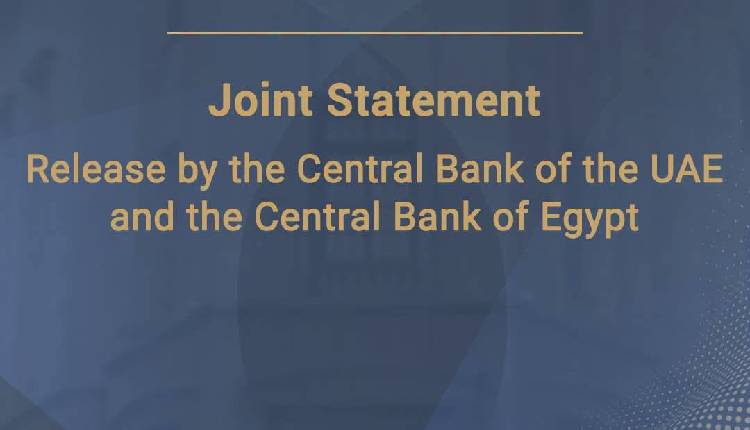
Egypt, UAE Central Banks Affirm Coordination on Banque Misr Branches
The Central Bank of Egypt (CBE) and the Central Bank of the United Arab Emirates (CBUAE) affirmed their full and continuous cooperation and coordination regarding Banque Misr’s branches in the UAE. This statement underscores an ongoing commitment to regulatory collaboration between two key financial authorities in the Middle East, specifically concerning the operations of a major Egyptian financial institution within the UAE's banking landscape. Such affirmations are crucial for maintaining stability and confidence in cross-border financial services.
This coordination holds significant legal and practical implications for financial institutions, particularly those with a regional footprint. For Banque Misr, it signals a supportive regulatory environment that facilitates its operations and ensures compliance with both Egyptian and Emirati banking laws. More broadly, it indicates a shared understanding between the central banks on supervisory practices, risk management, and potentially, the harmonization of certain regulatory standards. This reduces regulatory arbitrage risks and fosters a more predictable operating environment for banks engaged in cross-border activities, which is vital for regional economic integration and investment flows.
The legal context for this cooperation involves the domestic banking laws of both jurisdictions, such as Egypt's Central Bank and Banking System Law No. 194 of 2020, and the UAE's Federal Law No. 14 of 2018 regarding the Central Bank and Organization of Financial Institutions and Activities. Beyond national statutes, such coordination often relies on bilateral memoranda of understanding (MoUs) or international best practices for banking supervision, as promoted by bodies like the Basel Committee on Banking Supervision. The key parties are the Central Bank of Egypt, the Central Bank of the United Arab Emirates, and Banque Misr, whose branches are the subject of this specific coordination.
Attorneys advising financial institutions with cross-border operations between Egypt and the UAE should closely monitor any specific policy outcomes or regulatory frameworks that may emerge from this affirmed coordination. This includes reviewing existing compliance programs for alignment with potential harmonized standards, particularly in areas such as anti-money laundering (AML), combating the financing of terrorism (CFT), capital adequacy, and consumer protection. Understanding the nuances of this inter-central bank cooperation is essential for ensuring robust regulatory compliance and strategic planning for financial entities operating in these interconnected markets.
How does this affect you?
Get an AI analysis of this article grounded in your jurisdictions, practice areas, and any policy documents you've uploaded to Wansom.
Finish Reading the Full Story and the Expert Analysis.
Wansom is AI and can make mistakes.