
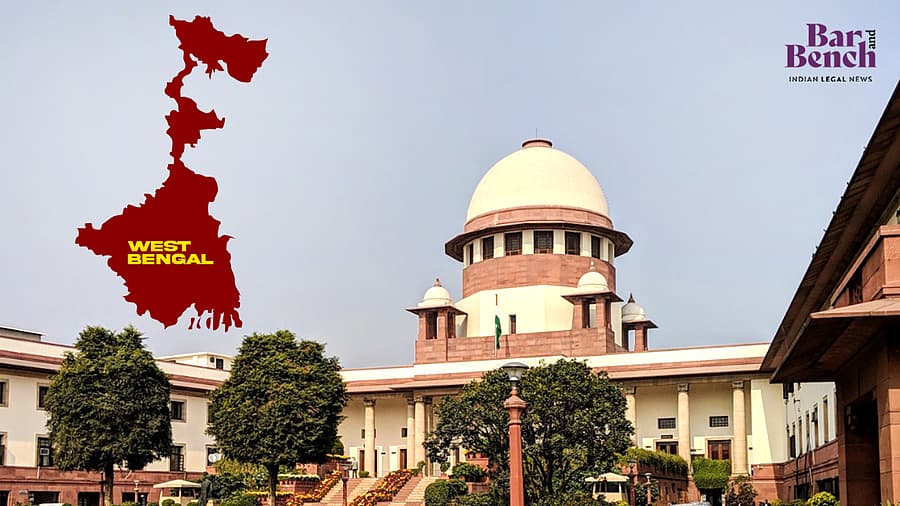
ECI Opposes TMC West Bengal Election Challenge: Rejects Voiding 31 Seats
Summary
- The Election Commission of India (ECI) opposed TMC MP Derek O'Brien's plea for fresh polls in 31 West Bengal assembly seats.
- The ECI informed the Supreme Court that 3,705,235 appeals from the Special Intensive Revision of electoral rolls in West Bengal are still pending.
- Only 126,194 out of 3,831,429 total appeals related to electoral rolls have been decided.
- The ECI asserted that election results can only be challenged via Article 329(b) election petitions, not solely due to electoral roll defects.
- Districts Murshidabad and Malda account for the highest number of pending electoral roll appeals.
ECI Rejects TMC's Call for Fresh Polls
Crucially, the ECI emphasized that alleged deficiencies or inaccuracies in the electoral roll, while potentially serious, do not, by themselves, constitute a valid basis for demanding the annulment of election results or the conduct of fresh polls.
The Election Commission of India (ECI) has firmly opposed a request from Trinamool Congress (TMC) Member of Parliament Derek O'Brien, who sought to invalidate election outcomes in 31 assembly constituencies in West Bengal and mandate new polls. This opposition was articulated in the ECI's submission to the Supreme Court, where it also disclosed significant data regarding outstanding appeals related to the state's electoral rolls.
O'Brien's application specifically called for the results of these 31 seats to be declared void, with a subsequent demand for fresh elections to be conducted only after all pending appeals concerning the electoral rolls were fully resolved. The ECI's response underscored its position that such challenges to election results must strictly adhere to the constitutional framework.
The Supreme Court bench, comprising Chief Justice of India Surya Kant and Justices Joymalya Bagchi and V Mohana, had previously instructed the ECI to provide precise figures on the number of appeals currently awaiting resolution before election tribunals. This directive set the stage for the ECI's detailed disclosure and its subsequent rejection of the TMC MP's plea.
Unprecedented Electoral Roll Appeals
In its detailed submission to the Supreme Court, the Election Commission of India revealed a substantial backlog of appeals stemming from the Special Intensive Revision (SIR) of electoral rolls in West Bengal. A staggering 3,705,235 appeals remain undecided by the Appellate Tribunals, out of a total of 3,831,429 appeals that were originally filed.
The ECI's data further broke down the nature of these appeals. Approximately 2,221,118 appeals were lodged by voters whose names had been either excluded or deleted from the rolls. Conversely, 1,610,311 appeals were filed by individuals contesting the inclusion of other names on the electoral lists. Despite the immense volume, only 126,194 of these appeals have been successfully adjudicated to date.
Geographically, two districts, Murshidabad and Malda, account for a significant portion of the pending cases. Murshidabad alone registered 748,216 appeals, while Malda contributed 531,617. Notably, Murshidabad has managed to decide a mere 595 of its numerous appeals, highlighting the scale of the unresolved issues across the state.
Constitutional Mandate for Election Challenges
The core of the ECI's argument against the TMC's challenge rests on the constitutional provisions governing election disputes. The commission firmly asserted that the outcomes of elections can exclusively be contested through election petitions filed under Article 329(b) of the Constitution of India. This legal pathway is the sole recognized mechanism for challenging electoral results.
Crucially, the ECI emphasized that alleged deficiencies or inaccuracies in the electoral roll, while potentially serious, do not, by themselves, constitute a valid basis for demanding the annulment of election results or the conduct of fresh polls. This stance clarifies that the procedural avenue for challenging election outcomes is specific and cannot be circumvented by claims solely pertaining to the preparation of voter lists.
Furthermore, the ECI informed the Supreme Court that Derek O'Brien's primary petition, which initiated this legal discourse, had effectively become infructuous. This declaration suggests that the original grounds for his challenge may no longer be legally viable, reinforcing the ECI's position that the demand for voiding results and holding new elections lacks a proper legal foundation outside of an Article 329(b) election petition.
Implications for Electoral Law
The ECI's definitive position in opposing the TMC's West Bengal election challenge carries significant implications for the landscape of electoral law in India. By unequivocally stating that election results are challengeable only through Article 329(b) election petitions, and not merely on the basis of alleged defects in electoral rolls, the commission reinforces the exclusivity of this constitutional provision.
This firm stance serves as a critical precedent, guiding future challenges to election outcomes. It underscores that while the integrity of electoral rolls is paramount, procedural adherence to established legal channels is equally vital when seeking to overturn election results. Lawyers advising on election disputes must therefore note the ECI's clear articulation of the exclusive procedural avenue for such challenges.
The case highlights the distinction between administrative processes related to voter registration and the judicial process for disputing election results. It clarifies that even substantial issues with the Special Intensive Revision electoral rolls, as evidenced by the millions of pending appeals, do not automatically pave the way for declaring a West Bengal assembly election void without recourse to the specific legal framework provided by the Constitution.
Practical Implications
Lawyers advising on election disputes must note the ECI's firm stance that election results can only be challenged via Article 329(b) election petitions, not solely based on alleged defects in electoral rolls. This clarifies the exclusive procedural avenue for challenging election outcomes and sets a precedent for future electoral challenges in India.
Source
Source: Reporting based on court filings
How does this affect you?
Get an AI analysis of this article grounded in your jurisdictions, practice areas, and any policy documents you've uploaded to Wansom.
Finish Reading the Full Story and the Expert Analysis.
Get the latest legal & regulatory intelligence in India
Wansom is AI and can make mistakes.