
Eastern Equatoria: Man Killed in Revenge Attack
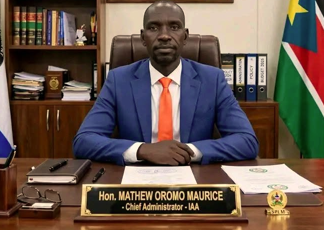
A 34-year-old man, Elia Moses, was shot dead in a revenge attack in Lacharok village, Lomayobo Boma, Imehejek Administrative Area, Eastern Equatoria State, South Sudan, on Sunday evening, after he accidentally shot and wounded a 9-year-old girl. The incident began when Moses, intending to shoot his brother-in-law, instead wounded Ihatar Karlo, a babysitter for Joseph Ojok's children. Upon learning of the girl's injury, Ojok reportedly hunted down Moses and killed him. Imehejek Chief Administrator Matthew Oromo confirmed the incident, describing it as a case of revenge, and noted that Ojok is currently at large. Lieutenant Colonel Pio Oromo Thomas, the SSPDF Operations Commander in Imehejek, also confirmed the killing and stated that security forces are working to apprehend the suspect, expressing frustration over the continued violence despite recent peace dialogues.
This tragic event highlights the profound challenges to the rule of law and public safety in parts of South Sudan, where cycles of revenge killings persist despite efforts by local authorities to foster peace. The incident underscores the fragility of formal legal processes when confronted with deeply entrenched customary practices and the immediate pursuit of retribution. It signifies a breakdown in the state's ability to maintain a monopoly on justice and enforce criminal law, as the perpetrator, Joseph Ojok, took the law into his own hands rather than seeking redress through official channels. The fact that the perpetrator is "on the run" further illustrates the difficulties in apprehending suspects and ensuring accountability, which erodes public trust in the justice system and perpetuates a climate of impunity. The efforts of local officials, such as Chief Administrator Oromo and SSPDF Commander Thomas, to conduct peace dialogues appear insufficient without robust enforcement mechanisms to deter such acts.
Legally, the killing of Elia Moses constitutes murder under South Sudanese criminal law, a grave offense punishable by the state. The initial accidental shooting of the child, Ihatar Karlo, would likely fall under assault or negligent discharge of a firearm, depending on the specific intent and circumstances. The key parties involved are the deceased, Elia Moses; the perpetrator, Joseph Ojok; the accidentally wounded child, Ihatar Karlo; and the local authorities, including Imehejek Chief Administrator Matthew Oromo and SSPDF Operations Commander Lieutenant Colonel Pio Oromo Thomas, who are tasked with maintaining order and enforcing the law. This case exemplifies the tension between formal statutory law and customary law, where traditional notions of justice, such as "an eye for an eye," can override state-sanctioned legal processes. The court hierarchy in South Sudan, from local courts to the Supreme Court, is designed to handle such criminal matters, but its effectiveness is often hampered by security challenges, limited resources, and the prevalence of extrajudicial actions in remote areas. The outcome of this matter, specifically the apprehension and prosecution of Joseph Ojok, is not yet reported.
For legal practitioners in South Sudan, this incident underscores the critical need to understand the interplay between formal criminal justice and traditional conflict resolution mechanisms. Attorneys advising individuals or communities in areas prone to such violence must be acutely aware of the security risks and the potential for extrajudicial actions. It highlights the importance of advocating for stronger state presence, improved law enforcement capabilities, and effective judicial processes to break cycles of revenge. Furthermore, legal professionals should guide clients on the proper channels for reporting crimes and seeking justice, emphasizing that self-help remedies, while sometimes culturally ingrained, carry severe legal consequences. Businesses operating in such regions must also factor in the societal instability caused by such incidents when assessing operational risks and ensuring the safety of their personnel. The ongoing efforts by security forces to apprehend the suspect will be a key indicator of the state's commitment to upholding the rule of law in this administrative area.
How does this affect you?
Get an AI analysis of this article grounded in your jurisdictions, practice areas, and any policy documents you've uploaded to Wansom.
Wansom is AI and can make mistakes.