
EAC: South Sudanese Student Local Fees Mandated
Summary
- The East African Community has urged universities in member states to charge students from other EAC countries local tuition fees and in local currencies.
- This directive specifically addresses concerns that some South Sudanese students are still paying international fees in other EAC nations.
- EAC Deputy Secretary-General Andrea Aguer Ariik Malueth confirmed existing regional directives mandate local student treatment and advised affected students to submit complaints to his office.
- South Sudan is responsible for producing the EAC passport for its citizens and has received training, but has not yet begun issuing them.
- The EAC is also preparing to provide technical support to Somalia, which joined the bloc in 2024.
EAC Directs Local Fees for Regional Students
Andrea Aguer Ariik Malueth, the deputy secretary-general of the EAC, reiterated that existing regional directives explicitly mandate that students from member states be accorded the same status as local students.
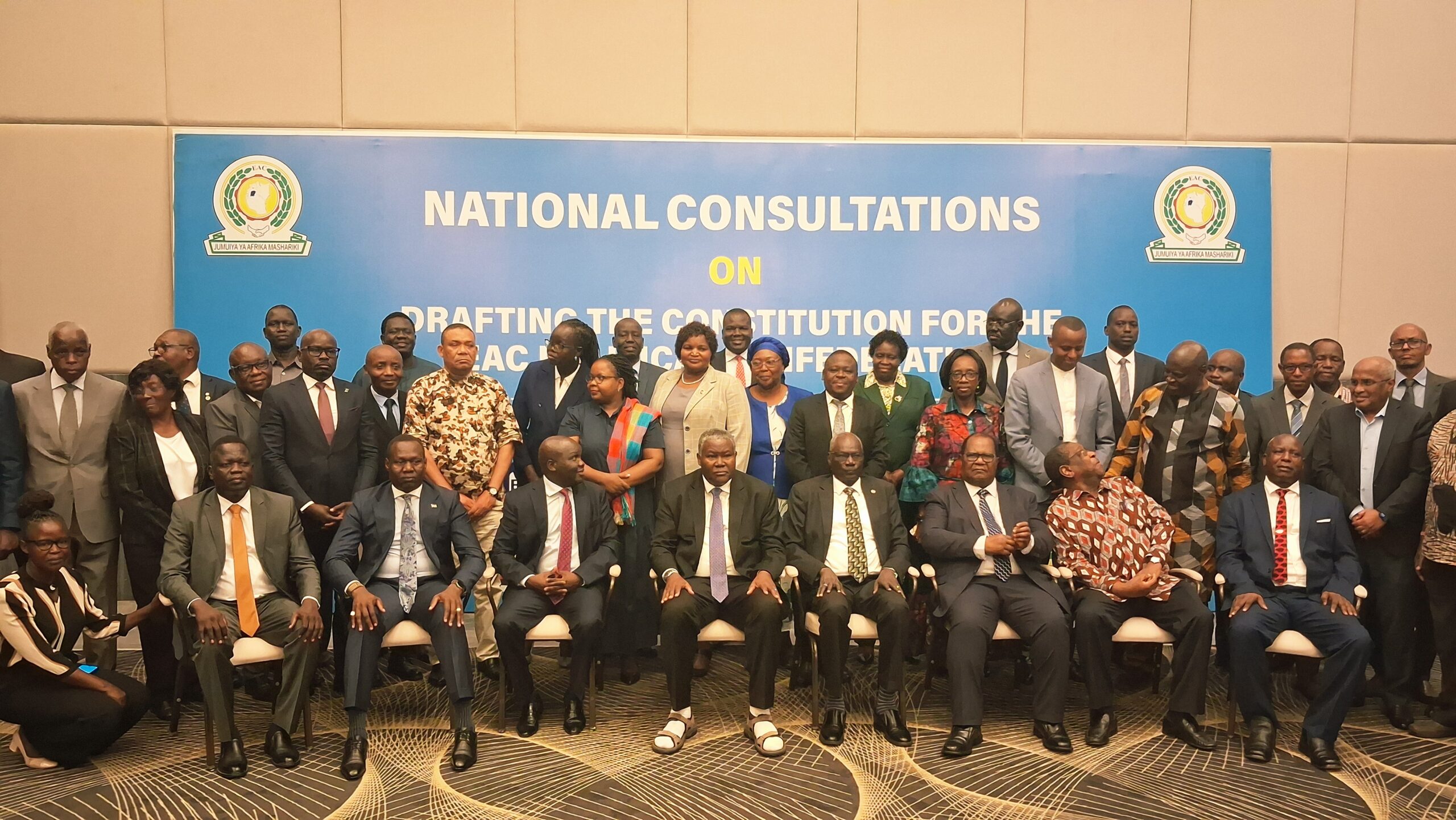
The East African Community (EAC) has recently issued a strong recommendation to universities operating within its member states, urging them to apply domestic tuition rates to students originating from other EAC countries. This directive also specifies that these fees should be denominated in local currencies, rather than foreign exchange. The issue gained prominence during recent EAC political consultations held in Juba, where technical experts convened with government officials to discuss various aspects of regional integration, including education and the free movement of people.
Deborah Akech Kuocin, the undersecretary in South Sudan's Ministry of Labour, highlighted a persistent challenge, noting that some South Sudanese students continue to face international tuition fees at educational institutions across other EAC nations. She emphasized that the principle of a unified community should extend to such fundamental aspects of regional cooperation, underscoring the discrepancy between the stated goal of integration and the practical financial burdens faced by students. This situation directly impacts the accessibility of higher education for citizens within the bloc.
Compliance with Regional Directives
Andrea Aguer Ariik Malueth, the deputy secretary-general of the EAC, reiterated that existing regional directives explicitly mandate that students from member states be accorded the same status as local students. He provided a clear illustration, stating that a student in Uganda, for instance, should pay fees equivalent to a Ugandan national and in the Ugandan shilling, not in US dollars. This clarification underscores the legal framework already in place to support equitable treatment in education across the EAC.
Malueth further advised students who are still being charged international fees to meticulously document their grievances and submit them directly to his office. This establishes a formal complaint mechanism for individuals experiencing non-compliance with the regional tuition policy, offering a pathway for redress and reinforcing the EAC's commitment to enforcing its directives. Universities in EAC member states, particularly those enrolling South Sudanese students, are thus expected to align their tuition fee policies with these established regional guidelines.
Challenges in Regional Integration Beyond Education
Beyond the realm of education, the consultations also touched upon other facets of regional integration, including the issuance of the East African Community passport. Malueth clarified that South Sudan bears the primary responsibility for producing these regional passports for its citizens, although the EAC is prepared to offer technical assistance in this endeavor. He noted that South Sudan's immigration authorities have already undergone training pertinent to the production of the regional passport, yet the actual issuance process has not yet commenced.
It was also clarified that the EAC itself does not print passports at its headquarters in Arusha, with the responsibility resting with individual member states. The EAC further indicated that South Sudan is still in the process of implementing the East African e-passport system. These details highlight the varying stages of implementation for different regional integration initiatives across member states, demonstrating that while directives are issued, their practical execution can face delays and require ongoing support.
Expanding Regional Support
In a forward-looking statement, Malueth also confirmed that the EAC bloc is actively preparing to extend technical support to Somalia, which formally joined the East African Community in 2024. This signifies the ongoing expansion of the community and its commitment to assisting new members in integrating into the regional framework. The provision of technical assistance, whether for passport systems or other integration mechanisms, is crucial for ensuring a cohesive and functional regional body.
This broader context of regional integration efforts, encompassing both educational equity and administrative harmonization, underscores the EAC's continuous work towards fostering a unified and equitable community for all its citizens. The focus on EAC South Sudanese student local fees is one critical component of this overarching strategy, aiming to remove barriers to education and promote shared opportunities across the region.
Practical Implications
Lawyers advising universities in EAC member states must ensure tuition fee policies for students from other EAC countries, particularly South Sudan, align with the directive for local fee charges. Compliance officers should review existing structures to mitigate potential non-compliance risks and prepare for student complaints.
Source
Source: Original reporting via {source}
How does this affect you?
Get an AI analysis of this article grounded in your jurisdictions, practice areas, and any policy documents you've uploaded to Wansom.
Finish Reading the Full Story and the Expert Analysis.
Get the latest legal & regulatory intelligence in South Sudan
Wansom is AI and can make mistakes.