
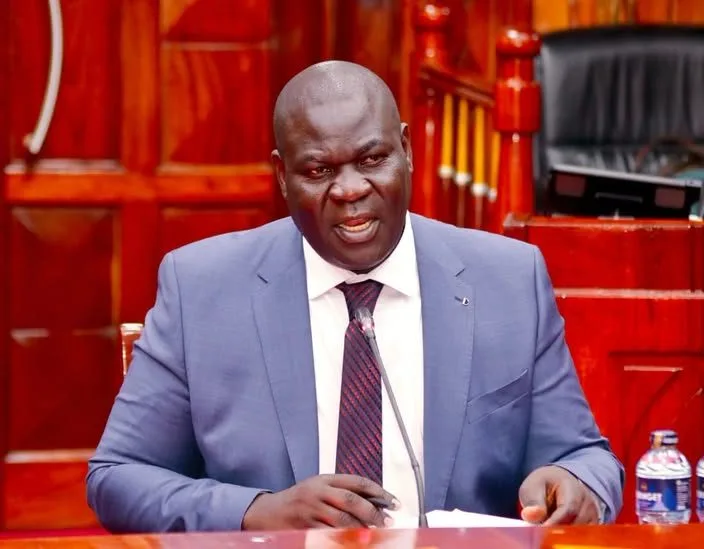
Duncan Ojwang IPOA Chairperson Kenya: Appointed by President Ruto
Summary
- President William Ruto has appointed Duncan Ojwang as the new Chairperson of Kenya's Independent Policing Oversight Authority (IPOA).
- The appointment, effective September 1, is for a six-year term and was announced via a special Gazette notice.
- Ojwang will lead IPOA in its critical mandate of providing civilian oversight, including investigating complaints against police officers and making recommendations for improved practices.
- His appointment follows a selection process to fill the vacancy left by former Chairperson Issack Hassan, who joined the Court of Appeal.
New Leadership at IPOA
As the new Chairperson, Duncan Ojwang will be instrumental in guiding IPOA through these multifaceted duties, ensuring that the body effectively fulfills its statutory obligations to the Kenyan public and contributes to a more accountable police service.
President William Ruto has officially appointed Duncan Ojwang as the new Chairperson of the Independent Policing Oversight Authority (IPOA) for a six-year term. This significant appointment, effective September 1, was formally announced through a special Gazette notice, marking a pivotal leadership change for the crucial oversight body. Ojwang now assumes the helm of IPOA, a statutory institution in Kenya specifically mandated to provide civilian oversight over the operations and conduct of the National Police Service.
This leadership transition comes at a time when public scrutiny of police conduct and persistent demands for enhanced accountability within Kenya's security sector remain prominent issues in national discourse. The appointment of Duncan Ojwang as IPOA Chairperson Kenya is therefore expected to bring renewed focus and strategic direction to the authority's mandate, particularly in ensuring the independent investigation of complaints pertaining to police misconduct. His six-year term provides a substantial period for him to steer the organization's strategic direction and operational effectiveness, influencing the trajectory of police accountability in the country.
IPOA's Core Mandate and Responsibilities
The Independent Policing Oversight Authority (IPOA) operates as a vital statutory body in Kenya, specifically established to provide civilian oversight over the operations and conduct of the National Police Service. Its comprehensive mandate includes several key functions designed to foster transparency, professionalism, and accountability within the police force, ultimately aiming to uphold human rights and the rule of law.
These responsibilities encompass the thorough investigation of complaints lodged against police officers, active monitoring and investigation of various policing operations, and conducting regular inspections of police premises across the country to assess conditions and adherence to standards. Beyond reactive investigations, IPOA also plays a crucial proactive role in shaping policing practices. The authority is tasked with formulating and issuing recommendations aimed at improving the overall standards of policing and strengthening accountability mechanisms within the National Police Service. As the new Chairperson, Duncan Ojwang will be instrumental in guiding IPOA through these multifaceted duties, ensuring that the body effectively fulfills its statutory obligations to the Kenyan public and contributes to a more accountable police service.
Context and Broader Significance
The William Ruto IPOA appointment of Duncan Ojwang follows a structured and thorough process undertaken to identify and fill the critical leadership position at the independent policing oversight body. This significant vacancy arose after the former Chairman, Issack Hassan, transitioned to serve on the Court of Appeal, necessitating a new head for the crucial institution responsible for police accountability. The selection of Ojwang underscores the government's commitment to maintaining robust civilian oversight over law enforcement agencies.
Ojwang's tenure as the Kenya police oversight chairperson begins amidst a backdrop of ongoing national dialogue concerning police accountability, human rights, and the need for a professional and rights-respecting police service. His leadership will be pivotal in upholding IPOA's independence and effectiveness in addressing public concerns regarding police conduct, ensuring that justice is served for victims of police misconduct. The authority's ability to independently investigate and make recommendations is central to building public trust in the National Police Service and ensuring adherence to the rule of law, making this appointment a key development for legal professionals and human rights advocates alike.
Practical Implications
Lawyers and compliance officers involved in cases of police misconduct, human rights, or criminal defense in Kenya should note the new leadership at IPOA. This appointment could signal shifts in the authority's approach to investigations and accountability, which may impact case strategies or the handling of complaints against police officers.
Source
Source: Reporting from Nairobi.
How does this affect you?
Get an AI analysis of this article grounded in your jurisdictions, practice areas, and any policy documents you've uploaded to Wansom.
Finish Reading the Full Story and the Expert Analysis.
Wansom is AI and can make mistakes.