
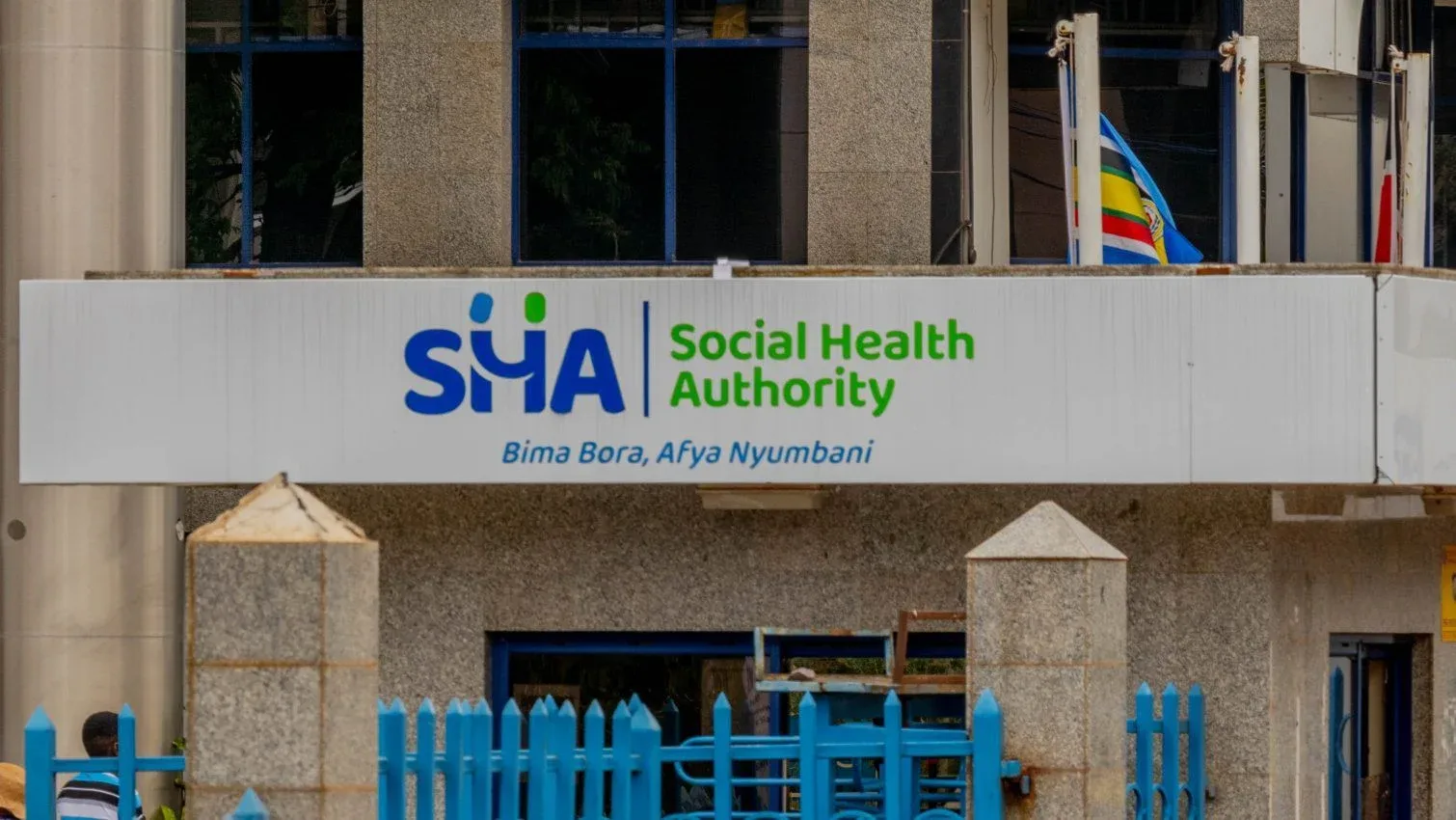
SHA Digital Health Compliance Deadline Kenya: Extended to 2026
Summary
- Kenya's Social Health Authority (SHA) has extended the deadline for healthcare providers to comply with new digital health requirements to September 30, 2026.
- This extension facilitates the transition from the SHA Provider Portal to the new SHA Health Management Information System (SHA HMIS), a key part of the Taifa Care digital health reforms.
- Compliance with DHA-certified HMIS requirements is mandatory for healthcare providers to participate in the 2026/28 SHA contracting cycle, with non-compliance risking exclusion.
- The Digital Health (Health Information Management Procedures) Regulations, 2025, legally underpin these requirements, mandating certification for digital health solutions and adherence to security standards.
- The new system aims to connect healthcare delivery and financing, enabling real-time patient verification, electronic claims processing, and secure information exchange.
Extended Deadline for Digital Health Compliance in Kenya
Compliance with DHA-certified HMIS requirements is mandatory for healthcare providers to participate in the 2026/28 SHA contracting cycle, with non-compliance risking exclusion.
Healthcare providers across Kenya have received an extension to meet new digital health requirements governing their participation in Social Health Authority (SHA) schemes. The SHA announced on September 1 an additional period, pushing the compliance deadline for Health Management Information System (HMIS) requirements to September 30, 2026. This extension aims to provide hospitals and other healthcare facilities with more time to configure their systems, complete necessary certification processes, and integrate with the new national platform.
This development signifies a pivotal shift in Kenya's health sector, moving away from the existing SHA Provider Portal towards the advanced SHA Health Management Information System (SHA HMIS). This new system is a cornerstone of the government’s broader digital health reforms, operating under the Taifa Care initiative. The Ministry of Health has articulated that the SHA HMIS is designed to unify healthcare delivery and financing onto a single digital platform.
The integrated system is expected to facilitate real-time patient verification, streamline electronic claims processing, enable digital authentication of providers, and ensure the secure exchange of vital health information. For facilities encountering technical challenges, the Digital Health Agency (DHA) has been designated to offer support, including assistance for providers lacking the requisite systems to achieve compliance.
Mandatory Integration for Continued Participation
The extended deadline carries significant implications beyond mere technological adoption, as compliance is directly linked to healthcare providers' ability to secure and renew contracts with the SHA. The Authority previously stipulated that the use of an accredited HMIS would become mandatory for all providers seeking to participate in the 2026/28 contracting cycle. This means both current and prospective providers must possess a certified HMIS that can meet the technical integration standards established by both the SHA and the DHA.
Failure to meet these stringent requirements could result in facilities being excluded from new contracts, denied contract renewals, or barred from continued participation in SHA-funded schemes. This transition fundamentally alters how hospitals will submit claims and interact with the SHA, requiring them to connect their own certified systems directly to the national digital health infrastructure, rather than relying on the former Provider Portal. The shift has already commenced, with the Ministry of Health holding consultations with provider associations in June regarding the migration, implementation timelines, and facility concerns. By the end of June, SHA had also transitioned claims processing for Level Four public hospitals to the Taifa Care HMIS, mandating these facilities to submit all new claims through the new platform.
Navigating Certification and Regulatory Standards
Achieving compliance extends beyond simply installing hospital software; it necessitates a comprehensive approach to digital health integration. Healthcare providers must utilize an HMIS that has been certified by the Digital Health Agency and is capable of securely exchanging patient and claims information with the national health information infrastructure. Facilities are also required to complete relevant registration and certification processes, demonstrating that their systems adhere to prescribed technical and interoperability standards.
Furthermore, providers must ensure their systems incorporate appropriate data protection and security measures, maintain reliable connectivity, and possess the digital infrastructure necessary for continuous communication with SHA systems. These requirements are underpinned by the Digital Health (Health Information Management Procedures) Regulations, 2025, which mandate that all digital health solutions employed in healthcare provision must be certified by the Agency. The regulations also cover the certification of e-health and telemedicine platforms, alongside requirements for compliance with specified digital and physical security standards. The DHA's technical guidelines increasingly emphasize the standardization of electronic claims, with current eClaims implementation guidance requiring provider systems to generate claims in prescribed formats and capture SHA or national identification details.
Kenya's Broader Digital Health Transformation
The move to the SHA HMIS and the extended compliance deadline are integral components of Kenya's ambitious digital health reforms under the Taifa Care initiative. This transformation aims to create a unified digital ecosystem where healthcare delivery and financing are seamlessly connected, enhancing efficiency, transparency, and patient care across the nation. The Digital Health Agency plays a crucial role in this endeavor, setting the standards and providing the necessary support for healthcare providers to integrate successfully.
By standardizing health information management and ensuring robust digital infrastructure, Kenya is laying the groundwork for a more integrated and responsive healthcare system. The emphasis on certification, data security, and interoperability reflects a commitment to leveraging technology to improve health outcomes and ensure equitable access to services for all citizens.
Practical Implications
Lawyers advising healthcare providers in Kenya must ensure clients understand the extended SHA HMIS compliance deadline (September 30, 2026) and the critical link to continued participation in SHA-funded schemes and contracting cycles, as non-compliance risks exclusion. They should also review the implications of the Digital Health (Health Information Management Procedures) Regulations, 2025, for their clients' operations and system certifications.
Source
How does this affect you?
Get an AI analysis of this article grounded in your jurisdictions, practice areas, and any policy documents you've uploaded to Wansom.
Finish Reading the Full Story and the Expert Analysis.
Wansom is AI and can make mistakes.