
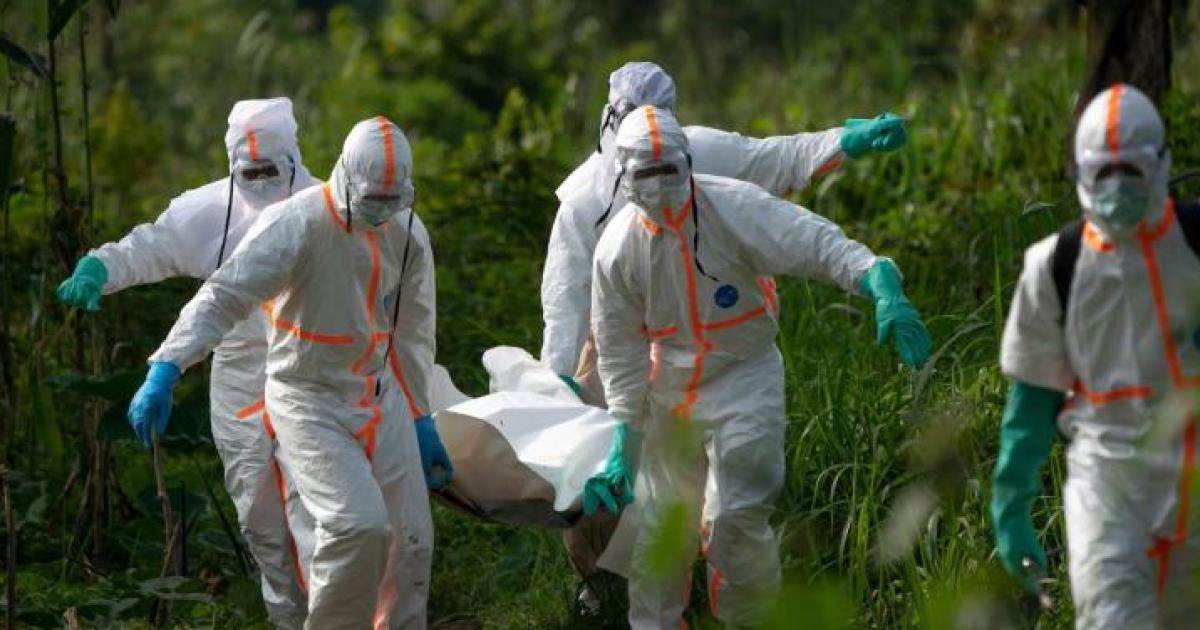
UN Condemns Ituri Ebola Team Attack Amid DRC Conflict
Summary
- The United Nations has strongly condemned an attack against an Ebola response team in Aru, located in northern Ituri province.
- Ituri province is currently the epicenter of the ongoing Ebola epidemic, making the security of health workers critical.
- The UN expressed deep concern over the incident and called for strict adherence to international humanitarian law.
- The attack highlights significant risks to humanitarian personnel operating in conflict-affected regions of the Democratic Republic of Congo.
- The incident was reported in an article timestamped Wednesday, August 19, 2026, at 09:37.
Incident Details and International Response
For legal professionals advising humanitarian organizations or businesses operating in conflict-affected regions of the DRC, monitoring these security incidents is essential.
An attack targeting an Ebola response team in Aru, located in the northern part of Ituri province, has drawn strong condemnation from the United Nations. The incident, which occurred in a region identified as the epicenter of the ongoing Ebola epidemic, has raised significant international concern regarding the safety of humanitarian personnel. According to reporting timestamped Wednesday, August 19, 2026, at 09:37, the UN has not only expressed its profound disquiet but has also explicitly denounced the assault.
This assault on medical and aid workers underscores the severe security challenges faced by those dedicated to combating public health crises in conflict-affected areas. The UN's immediate reaction highlights the gravity of targeting individuals and groups engaged in life-saving missions. Such acts directly impede critical health interventions and jeopardize the lives of those striving to protect vulnerable populations from disease.
Upholding International Humanitarian Law in the DRC
In response to the attack, the United Nations issued a clear call for all parties to respect international humanitarian law (IHL). This legal framework is fundamental to protecting civilians, medical personnel, and humanitarian aid workers during armed conflicts. Specifically, IHL mandates that medical facilities, transport, and personnel must be respected and protected in all circumstances, and that humanitarian assistance must be allowed to reach those in need without hindrance. The Democratic Republic of Congo (DRC), particularly its eastern provinces like Ituri, has long been plagued by instability and armed conflict, creating a complex environment where the principles of *droit international humanitaire RDC* are frequently tested.
The persistent insecurity in Ituri province, exacerbated by the presence of numerous armed groups, poses a constant threat to the effective delivery of humanitarian aid and public health services. Attacks on Ebola response team security in Ituri not only violate fundamental tenets of international humanitarian law but also severely undermine efforts to contain deadly outbreaks. The UN's emphasis on IHL serves as a crucial reminder of the legal obligations incumbent upon all actors in the region to ensure the safety and unhindered operation of humanitarian personnel. Protecting these individuals is paramount for both their personal security and the broader success of health initiatives.
Implications for Humanitarian Operations and Legal Oversight
The Aru humanitarian worker attack carries significant implications for the future of humanitarian operations in the DRC and other conflict zones. Such incidents deter aid workers, disrupt supply chains, and can force organizations to scale back or suspend vital programs, directly impacting the health and well-being of communities already suffering from both conflict and disease. The security of Ebola response team personnel in Ituri is critical not only for their immediate safety but also for maintaining the continuity of public health efforts essential to eradicating the virus.
For legal professionals advising humanitarian organizations or businesses operating in conflict-affected regions of the DRC, monitoring these security incidents is essential. They highlight significant risks to personnel and underscore the persistent challenges in upholding international humanitarian law. Lawyers must be prepared to guide their clients on risk mitigation strategies, compliance with international legal frameworks, and advocacy for the UN protection of humanitarian personnel. The UN's condemnation and call for adherence to IHL serve as a critical benchmark for accountability and a reminder of the international community's commitment to safeguarding those who serve on the front lines of global health crises in the DRC conflict.
Practical Implications
Lawyers advising humanitarian organizations or businesses operating in conflict-affected regions of the DRC should monitor such security incidents, as they highlight significant risks to personnel and the persistent challenges in upholding international humanitarian law.
Source
How does this affect you?
Get an AI analysis of this article grounded in your jurisdictions, practice areas, and any policy documents you've uploaded to Wansom.
Wansom is AI and can make mistakes.