
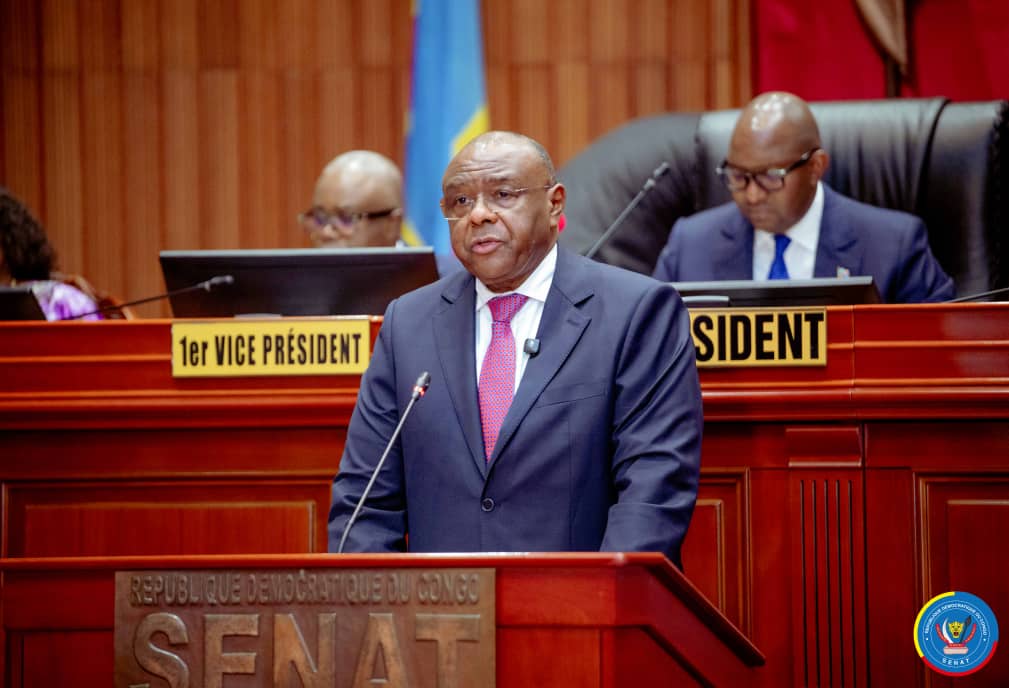
Sénat Interpelle Jean-Pierre Bemba: Naufrages Mortels RDC
Summary
- The Congolese Senate formally interpellated Vice-Prime Minister Jean-Pierre Bemba on Friday, October 16.
- The interpellation concerned the repeated fatal shipwrecks occurring in the Democratic Republic of Congo.
- Senator Faustin Luanga Mukela initiated the inquiry with a current affairs question.
- The Senate sought explanations on measures taken to prevent these ongoing maritime tragedies.
- Jean-Pierre Bemba holds the portfolio for Transport, Communication Routes, and Opening Up.
Parliamentary Scrutiny on Transport Safety
This direct engagement by the Sénat with a high-ranking official like Jean-Pierre Bemba underscores the profound concern within the legislative body regarding public safety in the transport sector.
On Friday, October 16, the Congolese Senate formally interpellated Jean-Pierre Bemba, who serves as the Vice-Prime Minister responsible for Transport, Communication Routes, and Opening Up. This significant parliamentary action was initiated following a current affairs question posed by Senator Faustin Luanga Mukela. The primary objective of this legislative inquiry was to address the alarming and persistent issue of fatal shipwrecks, or "naufrages mortels RDC," which have repeatedly occurred across the Democratic Republic of Congo's extensive waterways. Senator Luanga Mukela specifically sought comprehensive explanations from Vice-Prime Minister Bemba regarding the concrete strategies and preventative measures his ministry is undertaking to curb these tragic incidents and enhance overall "sécurité navigation RDC."
This direct engagement by the Sénat with a high-ranking official like Jean-Pierre Bemba underscores the profound concern within the legislative body regarding public safety in the transport sector. The repeated nature of these maritime disasters has evidently reached a critical threshold, prompting a demand for greater accountability and transparency from the executive branch. The interpellation of Jean-Pierre Bemba, Vice-Premier ministre Transports RDC, signals a clear intent to ensure that robust and effective solutions are implemented to protect citizens utilizing riverine and lake transport.
The Enduring Challenge of Fatal Shipwrecks
The Democratic Republic of Congo has long grappled with the severe and often devastating consequences of "naufrages mortels à répétition." These incidents, which frequently claim numerous lives, highlight systemic challenges within the nation's transport infrastructure and regulatory framework. Factors contributing to these tragedies typically include the overloading of passenger and cargo vessels, inadequate maintenance standards, a lack of adherence to established safety protocols, and insufficient navigational aids or emergency response capabilities. The parliamentary interpellation, specifically targeting the "Jean-Pierre Bemba vice-Premier ministre Transports RDC," brings this critical issue to the forefront of national discourse, demanding immediate and effective government intervention.
The initiative by "sénateur Faustin Luanga Mukela" to question the government's top transport official reflects a widespread public and political demand for enhanced accountability and more proactive governance in preventing further loss of life. The focus on these recurring disasters underscores that the problem is not isolated but a pervasive and tragic pattern affecting communities reliant on water transport. The Senate's scrutiny aims to compel the ministry to articulate a clear and actionable plan for bolstering "sécurité navigation RDC," which is indispensable for both economic stability and the well-being of the vast population dependent on these vital waterways.
Calls for Enhanced Regulation and Accountability
The formal interpellation of Jean-Pierre Bemba by the Sénat serves as a powerful indicator that the legislative body is advocating for significantly more stringent "réglementation transport fluvial RDC" and more rigorous enforcement mechanisms. The demand for detailed explanations concerning preventative measures strongly suggests a perception that current efforts are either insufficient or that existing safety regulations are not being adequately applied across the country's vast network of rivers and lakes. This crucial parliamentary oversight function is designed to ensure that the executive branch, under the leadership of the Vice-Prime Minister, takes decisive and impactful action to address the underlying causes of these persistent maritime tragedies.
The gravity of the situation, characterized by "naufrages mortels à répétition," necessitates a comprehensive re-evaluation of all facets of transport safety. This includes, but is not limited to, thorough vessel inspection and certification processes, mandatory crew training and licensing, and the establishment of effective emergency response protocols. The interpellation of Jean-Pierre Bemba, Vice-Premier ministre Transports RDC, directly places the responsibility on his department to demonstrate tangible progress in mitigating these risks. The outcome of this high-level parliamentary engagement is anticipated to significantly influence future policy directives and operational standards aimed at safeguarding lives on the Democratic Republic of Congo's critical waterways.
Practical Implications
Lawyers advising transport companies, insurers, or maritime operators in the DRC should monitor potential regulatory changes, increased enforcement actions, or shifts in liability standards regarding riverine and lake transport safety, as this high-level interpellation signals heightened government scrutiny and accountability demands for fatal shipwreck incidents.
Source
How does this affect you?
Get an AI analysis of this article grounded in your jurisdictions, practice areas, and any policy documents you've uploaded to Wansom.
Finish Reading the Full Story and the Expert Analysis.
Get the latest legal & regulatory intelligence in DR Congo
Wansom is AI and can make mistakes.