
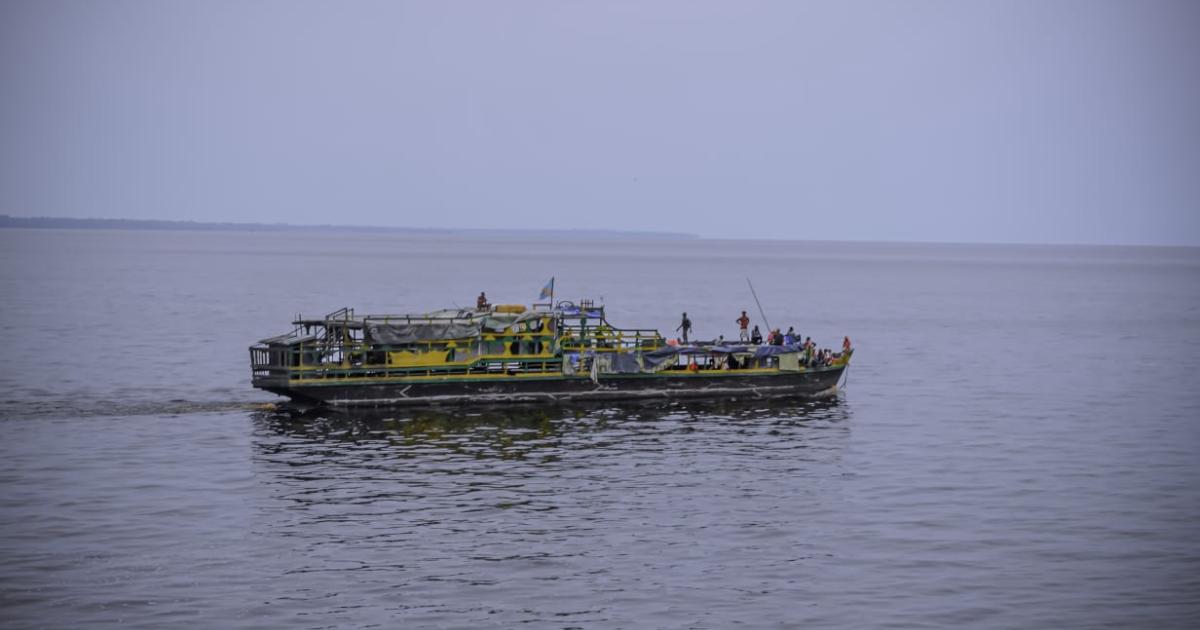
Maï-Ndombe Governor: Seeks Wooden Boat Ban Moratorium Over Food Security
Summary
- Maï-Ndombe Governor Nkoso Kevani Lebon has requested a moratorium on an upcoming wooden boat ban.
- The ban on wooden boat navigation, or "baleinières en bois," is scheduled to take effect on November 15.
- This prohibition applies to the Congo River, its tributaries, and other waterways.
- The governor's primary concern is to prevent malnutrition and scarcity of foodstuffs in the Maï-Ndombe region.
- The moratorium seeks to avert severe disruptions to essential supply chains that rely on these traditional vessels.
Governor Seeks Delay on Wooden Boat Ban
Governor Nkoso Kevani Lebon of Maï-Ndombe has formally requested a moratorium on the impending prohibition of wooden boat navigation, citing critical concerns over potential malnutrition and scarcity of foodstuffs within the region.
Governor Nkoso Kevani Lebon of Maï-Ndombe has formally requested a moratorium on the impending prohibition of wooden boat navigation, citing critical concerns over potential malnutrition and scarcity of foodstuffs within the region. This urgent appeal addresses a regulatory measure set to significantly alter riverine transport, a lifeline for many communities in the Democratic Republic of Congo.
The ban, specifically targeting wooden boats often referred to as "baleinières en bois," is scheduled to come into effect on November 15. Its scope is extensive, encompassing the vast Congo River, its numerous tributaries, and other significant waterways throughout the country. Governor Lebon's intervention underscores the profound impact such a widespread navigation interdiction could have on the socio-economic stability of Maï-Ndombe.
The governor's primary motivation for seeking this moratorium is to prevent a humanitarian crisis, emphasizing the critical reliance of the provincial population on these traditional vessels for essential supplies. He argues that an immediate enforcement of the ban without adequate transitional measures or alternative transport solutions would severely disrupt the logistical infrastructure, potentially leading to widespread food insecurity and hardship for residents.
Regulatory Context of River Transport in DRC
The request for a moratorium by Governor Nkoso Kevani Lebon highlights an existing regulatory framework that aims to prohibit wooden boat navigation across key waterways in the Democratic Republic of Congo. While the specific reasons for this comprehensive ban are not detailed, such measures typically arise from concerns related to safety standards, environmental protection, or modernization of maritime transport regulations within the DRC.
This impending ban on "baleinières en bois" represents a significant policy shift for river transport, a sector vital for connecting remote areas and facilitating trade. The November 15 implementation date signals a firm commitment from regulatory bodies to enforce new standards, yet the governor's plea suggests a disconnect between national policy objectives and local operational realities, particularly in provinces heavily dependent on traditional methods of transport.
The broad application of the ban across the Congo River and its tributaries indicates a national effort to standardize or upgrade vessel types. However, for regions like Maï-Ndombe, where infrastructure development is often limited, the immediate cessation of wooden boat operations could create a logistical vacuum, posing substantial challenges to the movement of goods and people.
Socio-Economic Ramifications for Maï-Ndombe
The core of Governor Lebon's appeal rests on the severe socio-economic ramifications that an immediate wooden boat ban could unleash upon the Maï-Ndombe province. He explicitly warns of the potential for increased malnutrition and a critical scarcity of foodstuffs, directly linking the ban to the region's food security.
Maï-Ndombe, like many provinces in the DRC, relies heavily on river transport for its supply chains. Wooden boats are instrumental in bringing agricultural produce from rural farming communities to urban markets, and equally crucial for distributing manufactured goods, medicines, and other essential commodities to remote villages. An abrupt halt to this transport method would cripple these vital arteries, leading to significant disruptions in the availability and affordability of basic necessities.
Such a disruption would inevitably result in escalating food prices, making essential items inaccessible to vulnerable populations and potentially precipitating a humanitarian crisis. The governor's call for a moratorium on the Maï-Ndombe navigation interdiction underscores the necessity for a more considered approach to regulatory changes, one that accounts for the unique logistical challenges and socio-economic dependencies of regions like Maï-Ndombe to prevent adverse impacts on the well-being of its inhabitants.
Practical Implications
Lawyers advising clients involved in river transport or logistics on the Congo River and its tributaries, particularly in the Maï-Ndombe region, should monitor the status of the impending wooden boat ban. A potential moratorium could delay or alter compliance requirements for vessel types and impact supply chain operations, necessitating updated advice on operational risks and legal obligations.
Source
How does this affect you?
Get an AI analysis of this article grounded in your jurisdictions, practice areas, and any policy documents you've uploaded to Wansom.
Finish Reading the Full Story and the Expert Analysis.
Get the latest legal & regulatory intelligence in DR Congo
Wansom is AI and can make mistakes.