
DRC: Human Rights Council Geneva Response Refutes Allegations
Summary
- Kinshasa, representing the Democratic Republic of Congo, rejected accusations of restricting freedoms at the UN Human Rights Council in Geneva.
- The government stated there is no policy of human rights violations and that documented cases are prosecuted and condemned.
- Accusations against the DRC include shrinking political and civic space and violations of the right to protest.
- These allegations have been primarily raised by opposition groups and other political parties.
- The DRC's public stance highlights areas of international scrutiny relevant for businesses operating in the region.
Kinshasa's Response to Human Rights Concerns in Geneva
For lawyers advising clients with operations or investments in the Democratic Republic of Congo, this public stance at the UN Human Rights Council is particularly noteworthy.
The government of the Democratic Republic of Congo, represented by Kinshasa, has publicly addressed the United Nations Human Rights Council in Geneva, firmly refuting allegations concerning the curtailment of fundamental freedoms within the nation. This significant DRC human rights council Geneva response saw officials directly challenge claims of widespread human rights abuses. During the session, Kinshasa maintained a strong stance, asserting that "There is no policy of human rights violations; documented cases are prosecuted and condemned." This declaration underscores the government's position that any reported incidents are isolated and subject to legal processes, rather than indicative of systemic issues.
This appearance before the Kinshasa UN Human Rights Council highlights the ongoing international scrutiny faced by the Democratic Republic of Congo regarding its human rights record. The government's direct engagement aims to counter a narrative of declining civic freedoms and to present its official perspective on the state of human rights within its borders. The statement made in Geneva serves as a formal rebuttal to criticisms that have been increasingly voiced by various stakeholders.
Mounting Accusations Against the Democratic Republic of Congo
The Democratic Republic of Congo has recently been the subject of escalating accusations regarding its human rights practices, particularly concerning the shrinking of political and civic spaces. These DRC civic space accusations suggest a tightening grip on public discourse and assembly, raising alarms among international observers and domestic groups alike. Critics point to a pattern of actions that allegedly restrict the ability of citizens and organizations to operate freely within the country's political landscape.
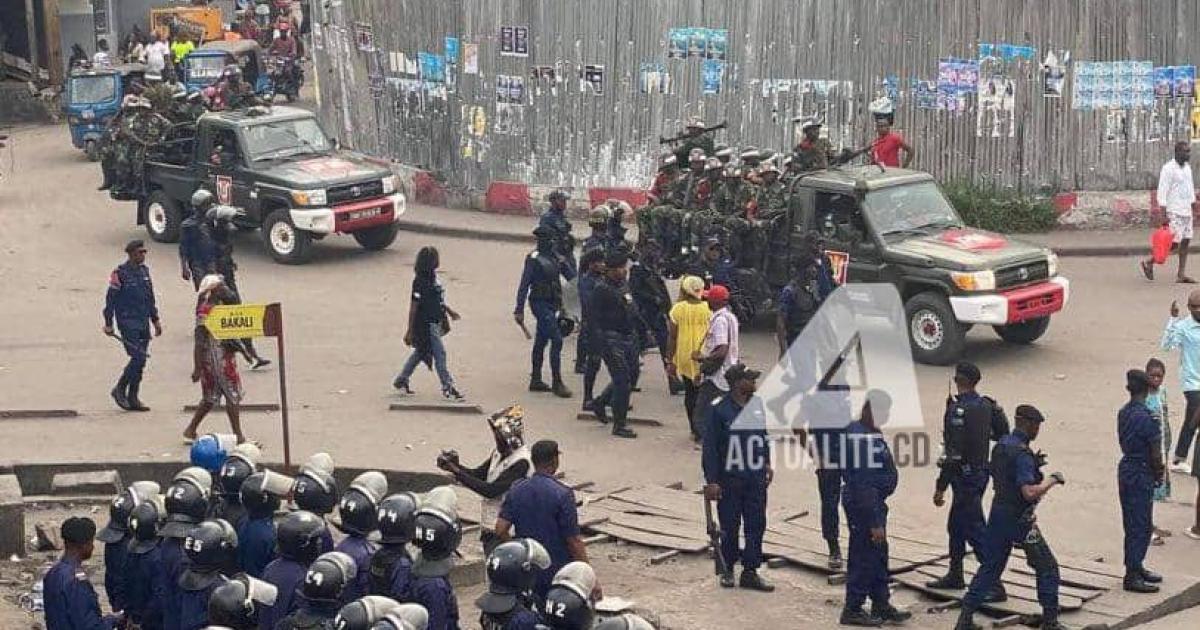
Furthermore, significant concerns have been raised regarding violations of the Congo right to protest. Reports indicate instances where the right to peaceful assembly has been impeded or suppressed, leading to questions about the government's commitment to democratic principles. These specific allegations have been primarily brought forward by opposition groups and various other political parties, who contend that the government is actively undermining Democratic Republic of Congo freedoms. The cumulative weight of these accusations has placed the DRC under a spotlight at international forums like the UN Human Rights Council.
Implications for International Scrutiny and Corporate Engagement
Kinshasa's unequivocal rejection of human rights violation policies at the UN Human Rights Council in Geneva carries substantial implications for how the international community perceives and engages with the Democratic Republic of Congo. The government's assertion that all documented cases of human rights abuses are pursued and condemned aims to demonstrate accountability and adherence to legal norms. This official position is a crucial element of the DRC's diplomatic strategy to manage its international image amidst persistent criticism.
For lawyers advising clients with operations or investments in the Democratic Republic of Congo, this public stance at the UN Human Rights Council is particularly noteworthy. It clearly indicates areas of intense international scrutiny regarding human rights and civic freedoms, which are critical factors in assessing operational risks. Businesses and investors must consider these dynamics in their risk assessments, due diligence processes, and corporate social responsibility strategies, as the government's response reflects the ongoing debate and potential challenges related to human rights in the region. The Geneva human rights report DRC discussions, even if not a formal report in this instance but rather a session of accusations and responses, underscore the importance of robust ethical frameworks for any entity operating within the country.
Practical Implications
Lawyers advising clients with operations or investments in the Democratic Republic of Congo should note the government's public stance at the UN Human Rights Council. This indicates areas of international scrutiny regarding human rights and civic freedoms, which could impact risk assessments, due diligence, and corporate social responsibility strategies for businesses operating in the region.
Source
How does this affect you?
Get an AI analysis of this article grounded in your jurisdictions, practice areas, and any policy documents you've uploaded to Wansom.
Finish Reading the Full Story and the Expert Analysis.
Get the latest legal & regulatory intelligence in DR Congo
Wansom is AI and can make mistakes.