
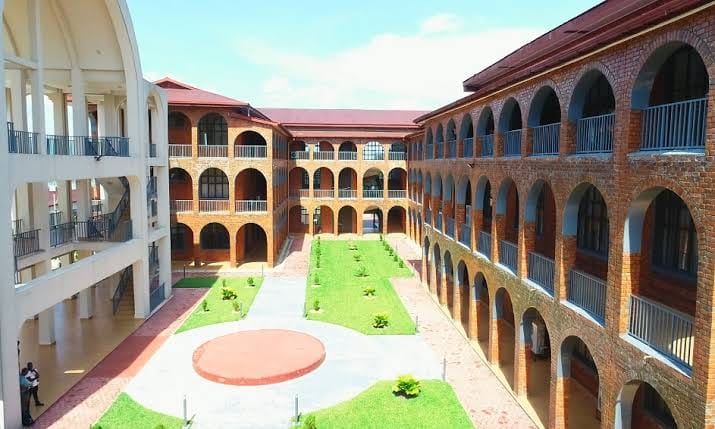
Université Mapon Expels 29 Students, 2 Teachers Over Corruption
On October 8, 2026, in Kindu, the Université Mapon in the Democratic Republic of Congo permanently expelled twenty-nine students and two teachers for proven acts of "massive corruption."
This decisive action by Université Mapon is highly significant as it demonstrates a concrete and robust institutional response to corruption within the education sector in the DRC. For legal practitioners, it highlights the university's exercise of its disciplinary powers and the severe legal and professional ramifications for individuals involved in corrupt practices, even within an academic setting. It also underscores the broader societal and legal commitment to combating corruption, indicating that such efforts extend beyond traditional commercial or governmental spheres and are being enforced with increasing rigor. The rector's explicit statement about sending a "strong signal" suggests a zero-tolerance approach to maintaining academic integrity and ethical standards.
The legal context for this matter primarily involves the internal regulations and disciplinary codes of the Université Mapon, which would govern the conduct of its students and staff and outline the procedures for investigations and sanctions. These internal rules operate within the broader framework of the Democratic Republic of Congo's national legal framework against corruption, which includes criminal statutes prohibiting bribery, embezzlement, and other corrupt practices. While the excerpt does not specify if criminal charges were filed, the university's disciplinary action is a distinct process that can run parallel to or independently of criminal proceedings. The rector's emphasis on combating corruption aligns with national anti-corruption policies and the rule of law.
The key parties involved are the Université Mapon, specifically its rector Professor Boniface Nkomba Lukena, who announced the decision, and the twenty-nine students and two teachers who were permanently expelled. The excerpt does not identify the specific individuals involved or provide details about the nature of the "massive corruption" beyond its qualification. It also does not mention any appeals or further legal challenges initiated by the expelled individuals.
Attorneys advising educational institutions, employees, or students in the DRC should be acutely aware of the serious consequences of corruption, even in academic contexts. This case serves as a precedent for robust institutional responses to ethical breaches and highlights the importance of strict adherence to institutional codes of conduct and national anti-corruption laws. For individuals, it emphasizes the potential for severe disciplinary actions, including permanent expulsion or termination, which can have long-lasting impacts on careers and reputations. While the excerpt focuses on disciplinary action, practitioners should also consider the potential for parallel criminal investigations or civil claims arising from such allegations. The outcome of any appeals or further legal challenges by the expelled individuals is not reported, indicating that such matters could still unfold.
How does this affect you?
Get an AI analysis of this article grounded in your jurisdictions, practice areas, and any policy documents you've uploaded to Wansom.
Finish Reading the Full Story and the Expert Analysis.
Get the latest legal & regulatory intelligence in DR Congo
Wansom is AI and can make mistakes.