
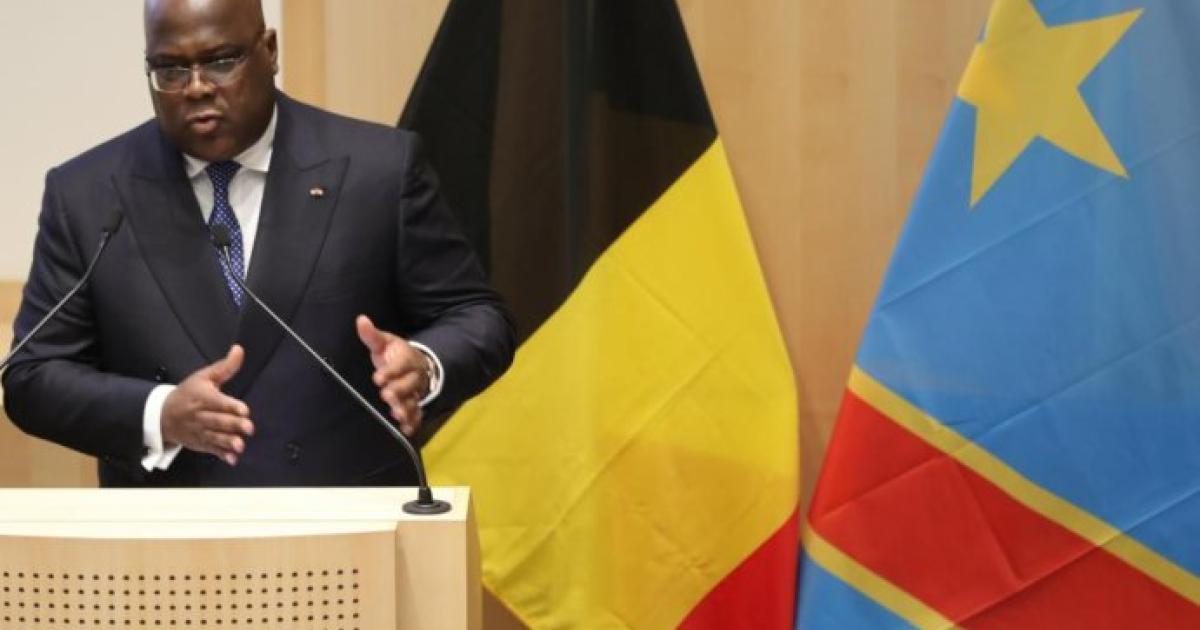
DR Congo Presidency: Prohibits Staff Contact With Belgian Embassy
On October 16, 2026, in the Democratic Republic of Congo (DRC), Anthony Nkinzo Kamole, the Director of Cabinet for President Félix Tshisekedi, issued an instruction prohibiting members of the presidential cabinet from having any direct or indirect contact with the Embassy of the Kingdom of Belgium.
This directive represents a significant administrative action from the highest echelons of the DRC government, signaling a potential downturn or specific point of contention in the diplomatic relationship between Kinshasa and Brussels. The broad nature of the prohibition, encompassing both direct and indirect contact, suggests a comprehensive effort to restrict communication channels between presidential staff and the Belgian diplomatic mission. While the excerpt does not detail the specific reasons behind this instruction, its issuance from the Director of Cabinet implies a high-level decision with potentially far-reaching implications for bilateral relations.
For legal practitioners, this development is crucial as it indicates a period of heightened diplomatic sensitivity that could impact various sectors. Businesses and individuals with ties to both the DRC and Belgium, particularly those involved in trade, investment, or development projects, may face increased scrutiny or operational challenges. The directive, though not a legislative act, reflects the executive's stance on foreign relations, which can influence policy implementation, regulatory enforcement, and the overall business climate. Attorneys should be prepared to advise clients on potential political risks and the need for strategic adjustments in their operations or engagement strategies.
The legal context for such a directive stems from the executive powers vested in the President of the DRC, who, as head of state and government, is responsible for foreign policy and diplomatic relations under the country's constitution. The Director of Cabinet acts under the President's authority, and such instructions, while internal to the presidency, carry significant weight in shaping the conduct of government officials. The directive does not appear to be a formal law or decree but rather an administrative order reflecting the executive's prerogative in managing international affairs. The key parties involved are the DRC Presidency, specifically President Félix Tshisekedi and his Director of Cabinet, Anthony Nkinzo Kamole, and the Embassy of the Kingdom of Belgium.
Practitioners advising clients with interests in the DRC or Belgium should closely monitor the diplomatic discourse and any subsequent official statements or actions from either government. It is imperative to assess how this directive might translate into broader policy shifts, changes in regulatory environments, or increased scrutiny of Belgian-linked entities within the DRC. Attorneys should counsel clients to review their risk assessments, consider contingency plans, and potentially explore alternative diplomatic or business engagement channels. The outcome of this matter, including any official explanations or further escalations or de-escalations in diplomatic relations, is not yet reported, necessitating ongoing vigilance.
How does this affect you?
Get an AI analysis of this article grounded in your jurisdictions, practice areas, and any policy documents you've uploaded to Wansom.
Finish Reading the Full Story and the Expert Analysis.
Get the latest legal & regulatory intelligence in DR Congo
Wansom is AI and can make mistakes.