
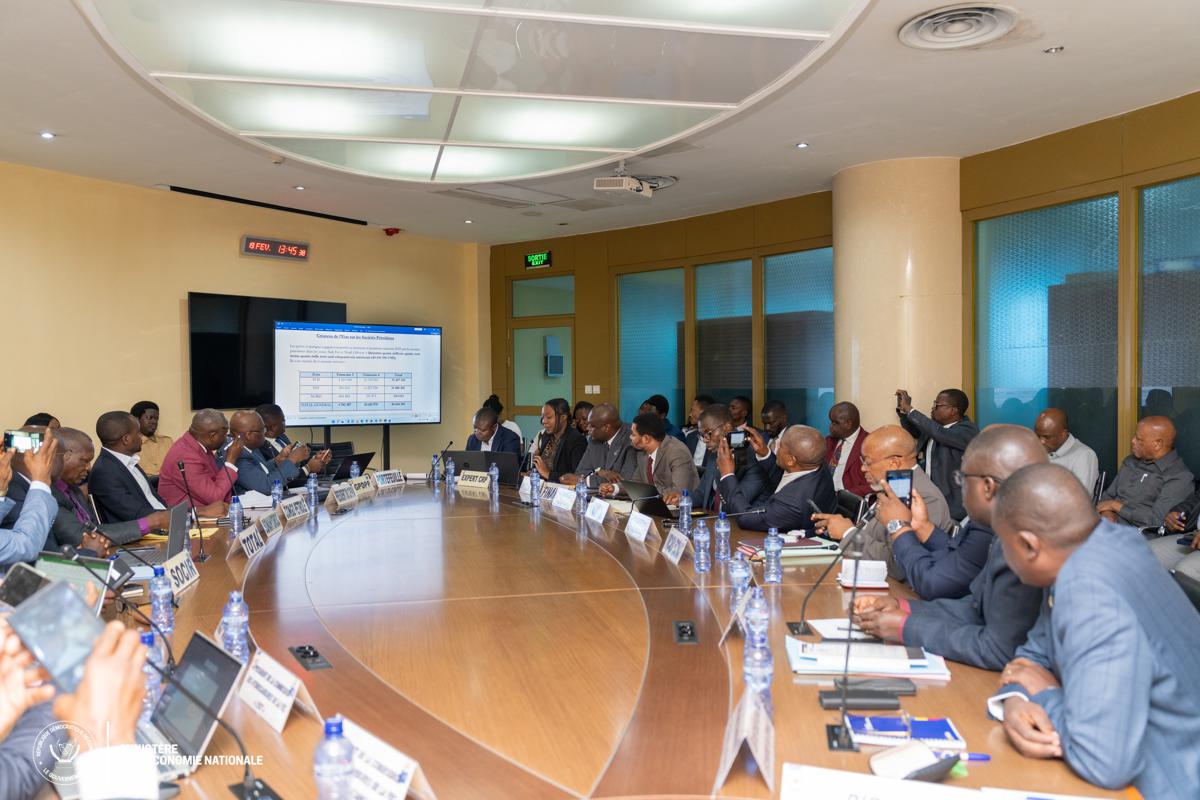
DR Congo: Oil Sector Losses Certified at $154 Million
In the Democratic Republic of Congo (DRC), the Comité de suivi des prix des produits pétroliers (CSPPP) certified approximately $153.95 million USD in losses and shortfalls for petroleum companies during the third quarter of 2026. This certification by the CSPPP highlights the ongoing financial mechanisms in place to address the economic realities faced by petroleum distributors operating within the DRC's regulated fuel market. The reported figure represents a significant financial acknowledgment of the disparities between regulated pump prices and the actual costs incurred by these companies, a common challenge in jurisdictions with price controls on essential commodities.
This certification is highly significant for petroleum companies operating in the DRC, as it directly impacts their financial viability and operational sustainability. The recognition of such substantial losses and shortfalls by a governmental committee suggests a formal process for acknowledging and potentially compensating these companies, or at least factoring these figures into future policy decisions regarding fuel pricing. For legal practitioners, this signals potential avenues for engagement with the government on behalf of their clients in the petroleum sector, particularly concerning subsidy negotiations, tax implications, or regulatory adjustments. It also underscores the inherent risks and complexities of operating in a market where prices are subject to state control rather than purely market forces.
The legal framework governing the petroleum sector in the DRC is complex, involving various decrees, ministerial orders, and regulatory bodies like the CSPPP. The CSPPP itself operates under mandates aimed at stabilizing fuel prices for consumers while ensuring the viability of distributors. This often involves mechanisms for compensating companies for the difference between international market prices (or import costs) and the fixed local pump prices, commonly referred to as "manques à gagner" (shortfalls or lost earnings). The certification process likely follows established administrative procedures, requiring detailed financial submissions from petroleum companies and subsequent verification by the committee. Understanding the specific legal instruments that empower the CSPPP and define the criteria for certifying these losses is crucial for any legal professional advising clients in this sector. The outcome of this certification, whether it leads to direct compensation, tax credits, or other forms of relief, is not explicitly reported in the excerpt.
The primary key parties involved are the Comité de suivi des prix des produits pétroliers (CSPPP), which is the certifying body, and the various petroleum companies operating in the DRC that have incurred these losses and shortfalls. While specific companies are not named, the collective "sociétés pétrolières" represents a significant industry stakeholder group. The government of the DRC, through its relevant ministries (e.g., Ministry of Hydrocarbons, Ministry of Finance), is implicitly involved as the ultimate authority overseeing the CSPPP and the broader economic policy that necessitates such certifications.
Attorneys advising petroleum companies in the DRC should closely monitor the follow-up actions to this certification, particularly regarding any announced compensation mechanisms, subsidy payments, or adjustments to the fuel pricing structure. It is imperative for legal teams to ensure their clients are fully compliant with the CSPPP's reporting requirements and to be prepared to advocate for their clients' interests in securing the certified amounts. Furthermore, practitioners should analyze the underlying legal and economic rationale for these persistent losses, advising clients on strategies to mitigate future financial exposure in a regulated market, including potential contractual adjustments with suppliers or distributors, and engaging in policy discussions with government bodies. The long-term implications for investment in the DRC's petroleum sector, given these certified losses, also warrant careful consideration.
How does this affect you?
Get an AI analysis of this article grounded in your jurisdictions, practice areas, and any policy documents you've uploaded to Wansom.
Finish Reading the Full Story and the Expert Analysis.
Get the latest legal & regulatory intelligence in DR Congo
Wansom is AI and can make mistakes.