
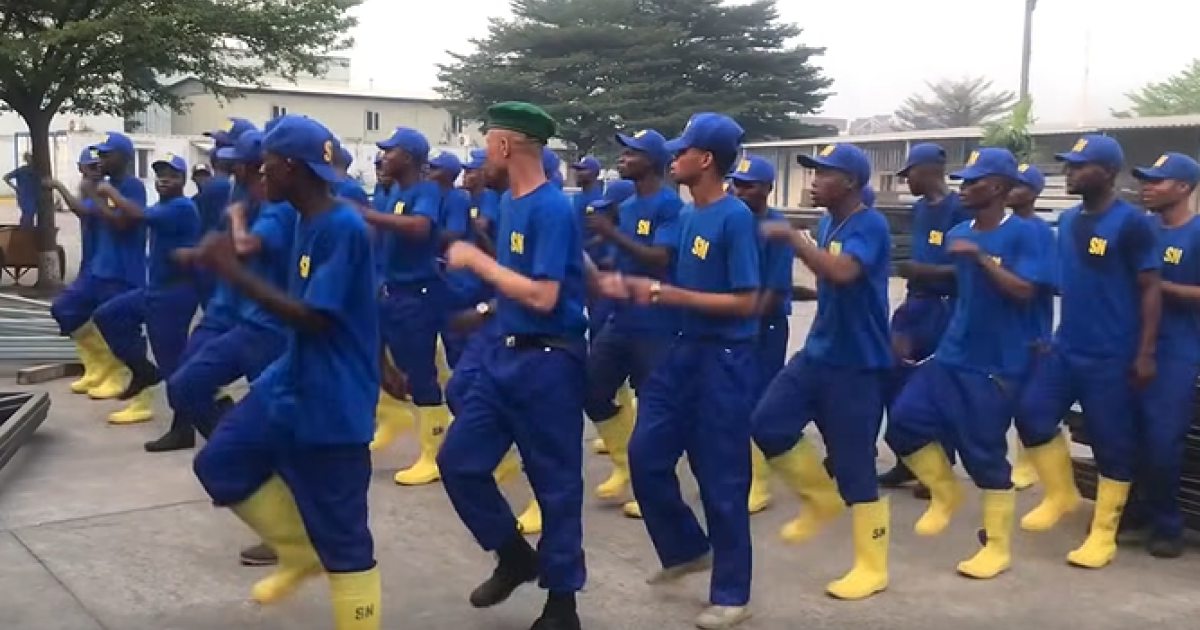
BCNUDH: RDC Droits Humains Violés Par le Service National
Summary
- The Joint United Nations Office for Human Rights (BCNUDH) documented 66 human rights violations and abuses in the Democratic Republic of Congo.
- These incidents occurred during September and August in provinces not affected by armed conflicts.
- Elements of the Service national are cited in the BCNUDH report as perpetrators of these violations.
- The findings highlight a broader pattern of human rights concerns extending beyond conflict zones in the RDC.
Key Findings from the BCNUDH Report
Lawyers and compliance officers advising entities in the Democratic Republic of Congo, especially those with operations in provinces not directly affected by armed conflict, must be acutely aware of these documented human rights violations by the Service national.
The Joint United Nations Office for Human Rights (BCNUDH) has recently brought to light a concerning pattern of human rights violations and abuses within the Democratic Republic of Congo (RDC). Their latest report meticulously documents a total of 66 such incidents occurring during the months of September and August. What makes these findings particularly noteworthy is their geographical distribution: these violations were recorded in provinces across the RDC that are not directly impacted by ongoing armed conflicts, challenging the perception of relative stability in these regions.
This comprehensive documentation by the BCNUDH underscores a pervasive issue extending beyond the immediate conflict zones. The report specifically implicates elements of the Service national in these documented abuses, highlighting a critical area of concern for human rights observers and international bodies. The identification of state actors in perpetrating these violations in areas traditionally considered more secure adds a complex layer to the human rights landscape of the République Démocratique du Congo.
Allegations Against the Service National
The BCNUDH report explicitly cites elements of the Service national as being responsible for a significant portion of the 66 human rights violations and abuses recorded. This attribution raises serious questions about the conduct and oversight of state security or paramilitary forces, even in regions ostensibly at peace. The involvement of the Service national in these incidents suggests a systemic issue that warrants immediate attention and investigation.
These documented abuses, occurring in provinces not directly affected by armed conflicts, paint a stark picture of the challenges facing human rights protection in the RDC. The BCNUDH's detailed findings serve as a crucial indicator that the scope of human rights concerns in the country is broader than often perceived, extending into areas where civilian populations might expect greater security and adherence to legal norms. The report thus highlights the urgent need for accountability and reform within institutions like the Service national RDC.
Implications for Human Rights and Compliance
The findings presented by the BCNUDH carry significant implications for the overall human rights situation in the Democratic Republic of Congo. The fact that 66 violations and abuses were documented in provinces not directly affected by armed conflicts during September and August, with the Service national being cited, indicates a widespread and systemic problem. This situation demands a re-evaluation of human rights monitoring and protection strategies across the entire nation, not just in conflict-ridden areas.
For international organizations, businesses, and legal professionals operating within the RDC, this BCNUDH report on RDC violations serves as a critical alert. Lawyers and compliance officers advising entities in the Democratic Republic of Congo, especially those with operations in provinces not directly affected by armed conflict, must be acutely aware of these documented human rights violations by the Service national. This report indicates a broader risk landscape for human rights abuses, necessitating enhanced due diligence and robust risk mitigation strategies to ensure compliance with international human rights standards and to avoid any potential complicity in such violations. The persistence of such abuses, even in seemingly stable regions, underscores the complex and challenging environment for upholding human rights throughout the RDC.
Practical Implications
Lawyers and compliance officers advising entities operating in the Democratic Republic of Congo, particularly those with operations in provinces not directly affected by armed conflict, should be aware of the documented human rights violations by the Service National. This report from BCNUDH indicates a broader risk landscape for human rights abuses, necessitating enhanced due diligence and risk mitigation strategies to ensure compliance with international human rights standards and to avoid complicity in such violations.
Source
How does this affect you?
Get an AI analysis of this article grounded in your jurisdictions, practice areas, and any policy documents you've uploaded to Wansom.
Finish Reading the Full Story and the Expert Analysis.
Get the latest legal & regulatory intelligence in DR Congo
Wansom is AI and can make mistakes.