
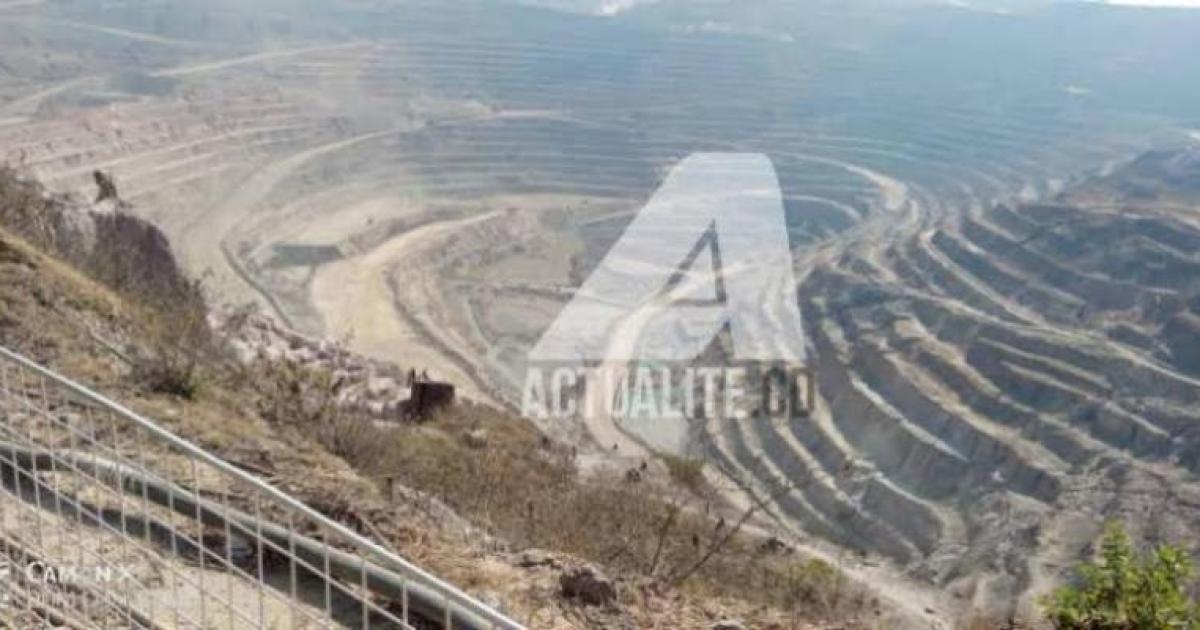
Lualaba: Agreement Reached for Resumption of Artisanal Mining
In the Democratic Republic of Congo's Lualaba province, an agreement was finalized on November 3, 2026, paving the way for the resumption of artisanal mining operations at the Mulondo site in Mutshatsha territory, approximately one year after a tragic incident claimed around thirty lives.
This agreement holds significant legal and socio-economic implications for the DRC's mining sector, particularly concerning artisanal and small-scale mining (ASM). It highlights the ongoing challenges of regulating ASM, balancing economic livelihoods with safety and environmental concerns, and addressing the aftermath of mining-related disasters. For legal practitioners, it underscores the complex interplay between customary practices, national mining codes, and international standards for responsible sourcing. The agreement's terms will be crucial in establishing a new operational framework aimed at preventing future fatalities and ensuring compliance with safety protocols, thereby mitigating legal and reputational risks for all involved.
The legal framework governing this situation primarily involves the DRC's Mining Code (Code Minier) and its implementing regulations, which delineate the conditions for both industrial and artisanal mining. Specific provisions relate to mining permits, safety standards, environmental protection, and the rights and obligations of artisanal miners. The agreement likely addresses issues such as site access, operational procedures, compensation for victims or their families, and mechanisms for oversight and enforcement. The involvement of local authorities and potentially provincial or national mining bodies would be central to the agreement's legitimacy and enforceability, while the prior incident would have triggered investigations under criminal law and potentially civil liability claims.
While the excerpt does not name specific signatories, the "accord" implies an agreement between various stakeholders. These would likely include local artisanal mining cooperatives or associations, provincial authorities (e.g., the Lualaba provincial government, its Ministry of Mines), and potentially representatives from the national Ministry of Mines or other regulatory bodies. The community of Mulondo and the victims' families are also key, albeit indirect, parties whose interests the agreement aims to address through provisions for safety and potentially redress.
Attorneys advising mining companies, investors, or artisanal mining cooperatives in the DRC should meticulously review the terms of this new agreement, as it may set precedents for managing similar situations in other artisanal mining zones. It is crucial to understand the specific safety protocols, environmental compliance requirements, and social responsibility clauses embedded within the accord. Legal professionals should also be prepared to advise on risk mitigation strategies, due diligence for supply chains involving ASM, and potential liabilities arising from past or future incidents. The outcome of this matter, specifically the detailed terms of the agreement and its long-term effectiveness in preventing further tragedies, is not yet reported.
How does this affect you?
Get an AI analysis of this article grounded in your jurisdictions, practice areas, and any policy documents you've uploaded to Wansom.
Wansom is AI and can make mistakes.