
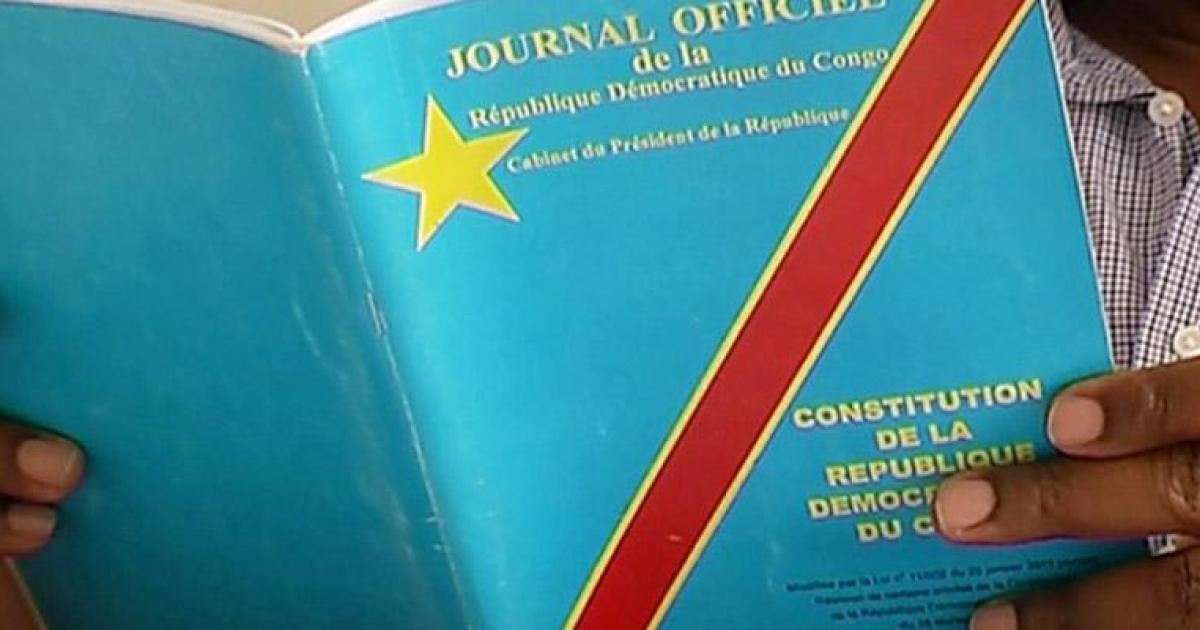
DR Congo: FRN Warns UN on Constitutional Change Impact
The Front pour la refondation de la nation (FRN), a politico-military movement in the Democratic Republic of Congo, conveyed its apprehension to the United Nations delegation, led by MONUSCO chief James Swan, on November 3, 2026, regarding potential constitutional amendments, warning that such changes could jeopardize the entire Doha peace process.
This development is highly significant for legal practitioners and political analysts in the DRC, as it underscores the fragility of peace agreements and the potential for political instability arising from constitutional reform debates. Any move to alter the constitution, particularly in a post-conflict environment, carries substantial legal and political risks, potentially reigniting tensions and undermining the legitimacy of existing governance structures. For businesses, this signals heightened political risk and uncertainty, which can impact investment decisions and operational stability, necessitating careful monitoring of the political landscape.
The legal context revolves around the DRC's Constitution, which is the supreme law of the land, and the various peace agreements, such as the Doha process, that have sought to stabilize the country. The excerpt implies that the current constitutional framework is intrinsically linked to the peace process, suggesting that certain provisions may be considered non-amendable or fundamental to the political equilibrium established by these accords. The role of the UN, through MONUSCO, highlights international engagement in upholding peace and constitutional order, often involving monitoring compliance with agreements and supporting democratic processes. Specific articles of the constitution pertaining to amendment procedures, presidential terms, or power-sharing arrangements would be central to any legal analysis of proposed changes.
The primary parties involved are the Front pour la refondation de la nation (FRN), a politico-military movement; the United Nations, represented by its delegation and MONUSCO chief James Swan; and implicitly, the government of the Democratic Republic of Congo, which would be the entity proposing or considering constitutional changes. The "Doha peace process" refers to a broader framework involving various stakeholders whose interests are tied to the existing constitutional order.
Attorneys advising clients with interests in the DRC should closely monitor any legislative or political initiatives related to constitutional reform, paying particular attention to the specific provisions targeted for amendment and the procedural legality of such changes. Businesses should assess their political risk exposure, considering potential disruptions to stability and the rule of law. Legal professionals should also be prepared to analyze the interplay between domestic constitutional law and international peace agreements, as well as the potential for international intervention or mediation in disputes arising from constitutional crises. The outcome of this matter, specifically whether constitutional changes are pursued and their impact, is not yet reported.
How does this affect you?
Get an AI analysis of this article grounded in your jurisdictions, practice areas, and any policy documents you've uploaded to Wansom.
Wansom is AI and can make mistakes.