
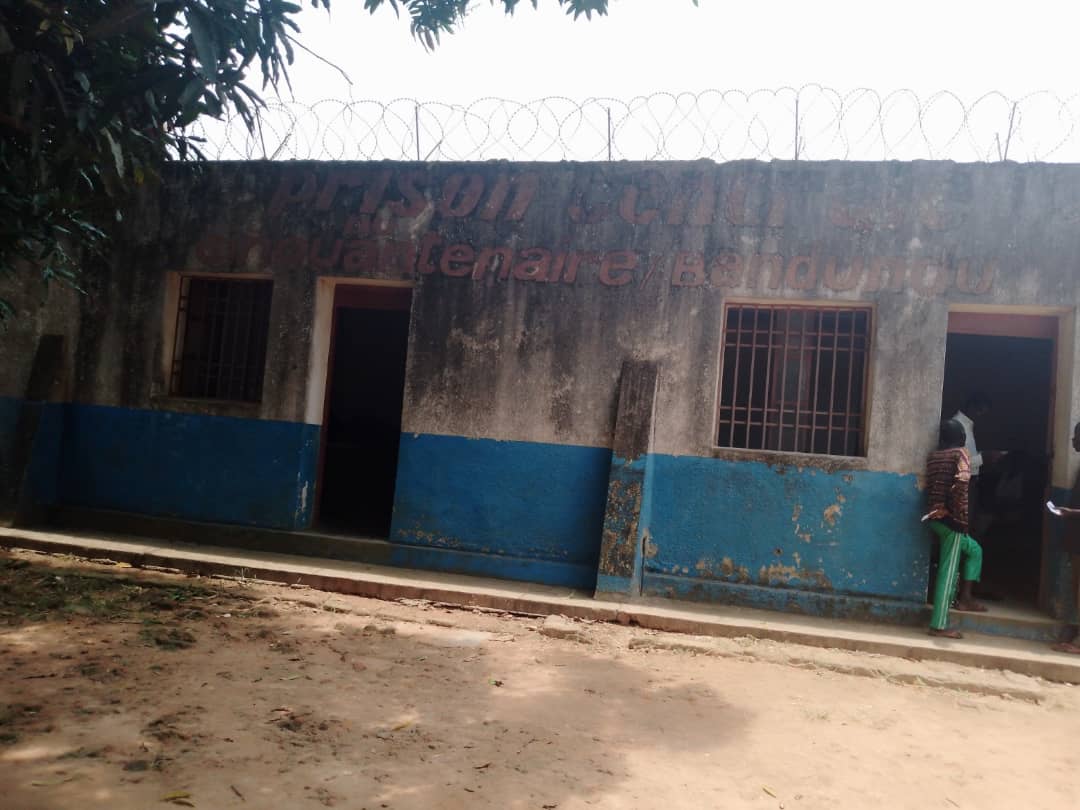
DR Congo: Kwilu Prisoners Deprived of Food for 5 Days
Detainees at the Cinquantenaire Central Prison in Kwilu province, Democratic Republic of Congo, have reportedly been deprived of food for five days as of Thursday, October 8, according to local civil society, a situation attributed to a lack of provisions rather than a hunger strike.
This dire situation carries significant legal implications, primarily raising serious concerns regarding fundamental human rights and the state's obligations towards individuals in its custody. The deprivation of basic necessities like food for an extended period constitutes a potential violation of the right to humane treatment and dignity, which are enshrined in both national and international legal instruments. Such conditions could lead to legal challenges against the state for negligence, cruel, inhuman, or degrading treatment, and potentially expose prison officials to accountability for dereliction of duty. The incident also highlights systemic issues within the prison administration and resource allocation.
The legal context for this matter is rooted in the Constitution of the Democratic Republic of Congo, which guarantees human dignity and prohibits cruel, inhuman, or degrading treatment or punishment. Furthermore, the DRC is a signatory to international human rights treaties such as the International Covenant on Civil and Political Rights (ICCPR) and the African Charter on Human and Peoples' Rights, both of which mandate humane conditions of detention, including adequate food, water, and medical care. The prison administration, operating under the Ministry of Justice, bears direct responsibility for the welfare and basic needs of all detainees. Failures in this regard can trigger oversight by national human rights institutions and potentially international bodies.
The key parties involved in this unfolding situation include the detainees themselves, local civil society organizations in Kwilu who brought the issue to light, the administration of Cinquantenaire Central Prison, and by extension, the Ministry of Justice and Human Rights of the DRC. Should legal action ensue, human rights lawyers and advocacy groups would likely play a crucial role in representing the detainees' interests. The outcome of this matter is not yet reported, but the allegations themselves are grave.
For legal practitioners, this incident underscores the critical importance of monitoring detention conditions and being prepared to act swiftly on behalf of incarcerated individuals. Attorneys representing detainees or human rights organizations should consider avenues such as habeas corpus applications, civil claims for damages against the state for constitutional and human rights violations, or lodging complaints with national and international human rights mechanisms. Businesses involved in supplying prisons should also be acutely aware of the contractual obligations and reputational risks associated with failures in the supply chain that directly impact the well-being of detainees.
How does this affect you?
Get an AI analysis of this article grounded in your jurisdictions, practice areas, and any policy documents you've uploaded to Wansom.
Finish Reading the Full Story and the Expert Analysis.
Get the latest legal & regulatory intelligence in DR Congo
Wansom is AI and can make mistakes.