
DR Congo: Calls for Accountability Over North Kivu Ebola Funds
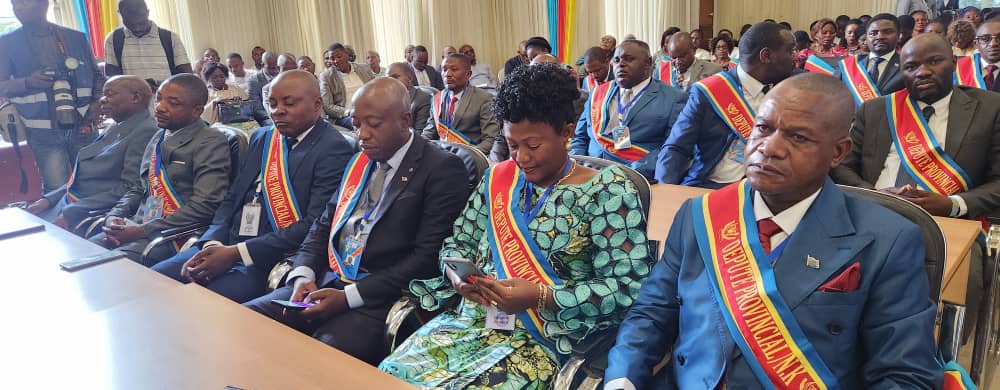
Political and civil society actors in North Kivu, Democratic Republic of Congo, are demanding explanations regarding the use of funds allocated to provincial deputies for Ebola awareness campaigns, following allegations of misappropriation, as reported on Thursday, October 8.
These allegations of misappropriation of public funds, especially those designated for a critical public health crisis like Ebola, carry profound legal and societal significance. Such actions, if confirmed, not only constitute a criminal offense but also severely undermine public trust in elected officials and government institutions. Furthermore, they directly jeopardize the effectiveness of vital public health interventions, potentially exacerbating the spread of disease and causing further suffering within the community. The demand for accountability from various actors highlights a growing expectation for transparency and responsible governance, particularly in the management of emergency funds.
The legal context for these demands is firmly rooted in the DRC's public finance laws and anti-corruption framework. The alleged misuse of funds could fall under criminal offenses such as embezzlement (détournement de fonds publics), corruption, or illicit enrichment, all of which are punishable under the Congolese Penal Code. The Constitution of the DRC and various organic laws emphasize the principles of accountability and transparency for public officials, including elected representatives. Provincial assemblies, while having budgetary autonomy, are subject to oversight mechanisms, and their members are expected to manage public resources with integrity. The legal system provides avenues for investigation and prosecution of such offenses, typically involving the public prosecutor's office and the judiciary.
The key parties involved in this matter include the political and civil society actors in North Kivu who are raising these concerns, the provincial deputies who received the funds, and the local community that is directly affected by the Ebola epidemic and the alleged mismanagement of resources. Specific individuals like Emery Katavali are cited as calling for explanations, and a provincial deputy is mentioned as having allegedly acknowledged receipt of a significant sum. The provincial assembly and potentially national anti-corruption bodies would also be key stakeholders in any investigation or accountability process. The elected officials concerned have not yet reacted to these allegations.
For legal practitioners, this situation underscores the critical importance of advising public officials, particularly elected representatives, on stringent financial management, accountability, and transparency requirements when handling public funds. Attorneys should emphasize the need for meticulous record-keeping, clear reporting, and adherence to public procurement rules. Should formal investigations or legal proceedings commence, legal professionals will need to navigate complex public finance laws, criminal statutes, and parliamentary immunity provisions. The outcome of this matter is not yet reported, but it serves as a stark reminder of the intense scrutiny on the use of public resources in the DRC, especially in times of crisis.
How does this affect you?
Get an AI analysis of this article grounded in your jurisdictions, practice areas, and any policy documents you've uploaded to Wansom.
Finish Reading the Full Story and the Expert Analysis.
Get the latest legal & regulatory intelligence in DR Congo
Wansom is AI and can make mistakes.