
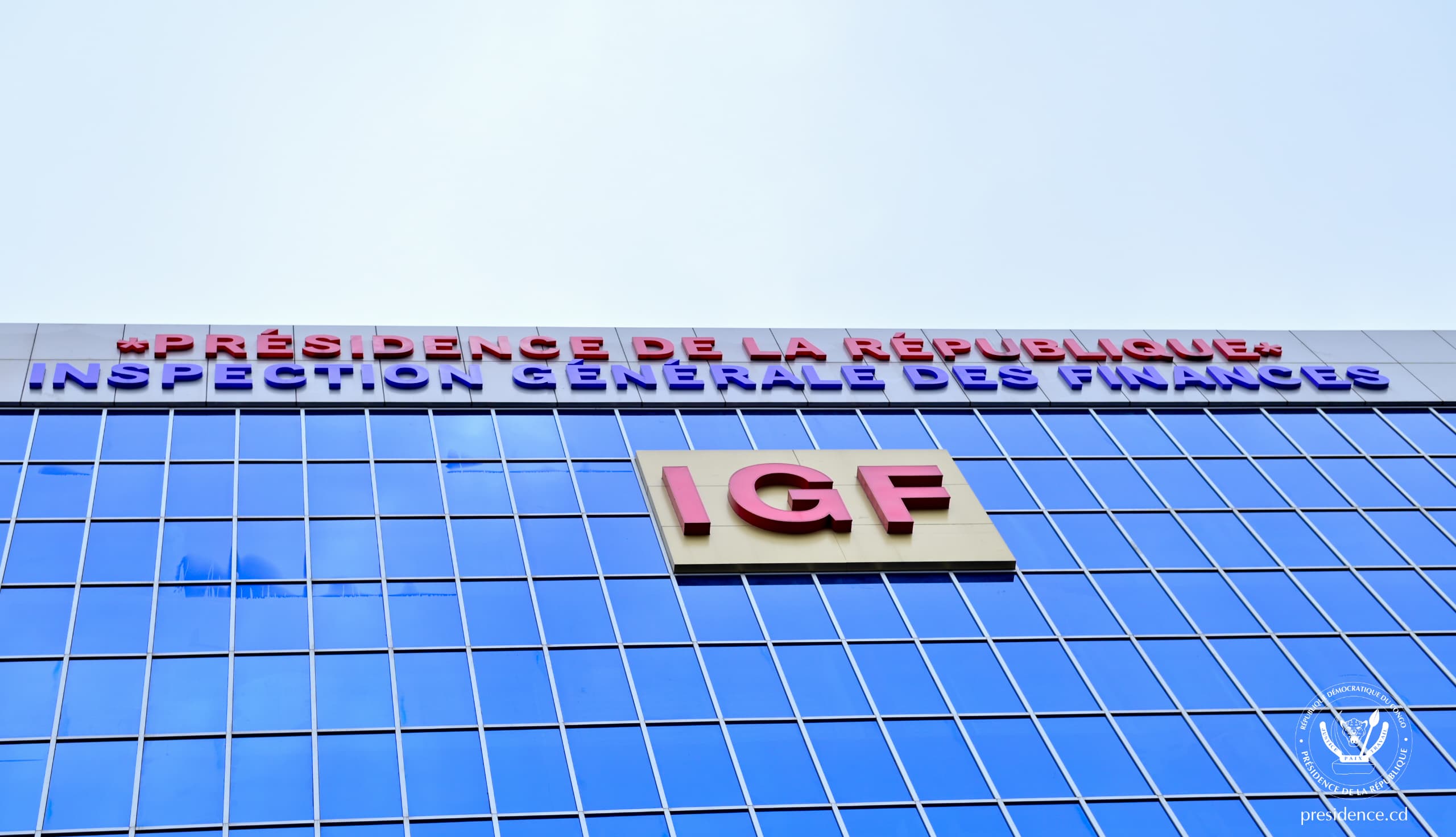
IGF RDC: Modernisation du Contrôle des Finances Publiques Numérique
Summary
- The IGF in the DRC is modernizing public finance control using digital tools, data analysis, and risk prevention.
- This reform, outlined in the 2026-2028 Triennial Strategic Plan, shifts from traditional compliance to comprehensive, risk-based oversight.
- Key objectives include securing university revenues and enhancing internal controls through digital transformation.
- Challenges identified include poor digital infrastructure, electricity issues, limited research funding, and resistance to change.
- The IGF plans to improve IT, training, research, data protection, and collaboration with universities to overcome these hurdles.
A New Era for Public Finance Oversight in the DRC
The reform aims to transition from traditional compliance control to a more holistic approach that integrates public finance management mechanisms, prioritizes risk prevention, and leverages digital capabilities.
The Inspection générale des finances (IGF) in the Democratic Republic of Congo is embarking on a significant initiative to modernize the control of public finances, fundamentally altering its approach through the strategic integration of digital tools, advanced data analysis, and proactive risk prevention. This ambitious transformation was the central theme of the institution's fourth seminar dedicated to its reform process, which convened in Kinshasa from October 21 to 22. The event brought together a diverse group of stakeholders, including university leaders, academics, researchers, and various experts, all contributing to the discussions.
During the seminar, participants expressed strong support for the IGF's 2026-2028 Triennial Strategic Plan, which outlines the roadmap for this modernization. Christophe Bitasimwa Bahii, the Inspector General of Finances, articulated the core vision of this reform at the seminar's opening. He stated that the reform aims to transition from traditional compliance control to a more holistic approach that integrates public finance management mechanisms, prioritizes risk prevention, and leverages digital capabilities. This critical shift is designed to encompass all mechanisms involved in public finance management, with a strong emphasis on anticipating and mitigating risks, and crucially, leveraging digital technologies to achieve these objectives.
Digital Transformation and Risk-Based Control
The essence of this reform, as defined by the IGF, lies in its capacity to compare disparate information sets and pinpoint areas where potential issues might arise. This analytical capability is intended to significantly enhance the detection of errors and prevent irregularities in the management of public funds. The discussions at the seminar highlighted the practical application of digital tools, specifically in securing revenues for universities across the RDC, bolstering internal control systems, and streamlining the exchange of vital information among various administrative departments. This strategic move towards a digitally-driven, risk-averse financial oversight is a cornerstone of the IGF RDC modernisation contrôle finances publiques numérique.
This comprehensive strategy for the Inspection générale des finances RDC réforme moves beyond simple auditing, aiming for a predictive and preventive model. By focusing on the prévention risques finances publiques RDC, the IGF seeks to create a more robust and transparent financial ecosystem. The transformation numérique administration RDC is not merely about adopting new technologies but about fundamentally reshaping how public funds are monitored and protected, with a particular emphasis on areas like the sécurisation recettes universités RDC.
Navigating Implementation Hurdles and Future Priorities
Despite the clear vision for modernization, seminar participants identified several significant constraints that could impede the successful implementation of this reform. These challenges include inadequate digital infrastructure, persistent difficulties in accessing reliable electricity, limited financial investment in relevant research, and a general resistance to embracing change within the existing administrative structures. Beyond technological and infrastructural concerns, there was a strong consensus on the necessity to reinforce ethical standards, enhance the accountability of public agents, and establish more effective mechanisms for performance evaluation.
Academic contributions, notably from professors Ekolo Adiaka, Kodjo Ndukuma Adjayi, and Claude Sumata Motukula, enriched the dialogue by exploring the digital transformation of higher education and proposing methods to improve resource management and control. The seminar also drew valuable insights from international experiences, examining how countries like Estonia, Denmark, Rwanda, and Kenya have successfully navigated their own digital transformations. These case studies illustrated the potential of technology to simplify administrative procedures, secure sensitive data, and improve the monitoring of public operations. Consequently, the seminar concluded with a set of agreed-upon priorities: upgrading IT equipment and personnel training, fostering research that delivers tangible solutions, enhancing the protection of shared information, and strengthening collaborative efforts between the IGF and universities, all contributing to the goals outlined in the Plan stratégique triennal IGF 2026-2028.
Practical Implications
Lawyers and compliance officers advising entities involved with public funds in the DRC should prepare for a more stringent, digitally-driven, and risk-based financial oversight by the IGF. This necessitates a proactive review of internal controls and digital financial management systems to align with the IGF's evolving approach and prevent potential irregularities.
Source
How does this affect you?
Get an AI analysis of this article grounded in your jurisdictions, practice areas, and any policy documents you've uploaded to Wansom.
Finish Reading the Full Story and the Expert Analysis.
Get the latest legal & regulatory intelligence in DR Congo
Wansom is AI and can make mistakes.