
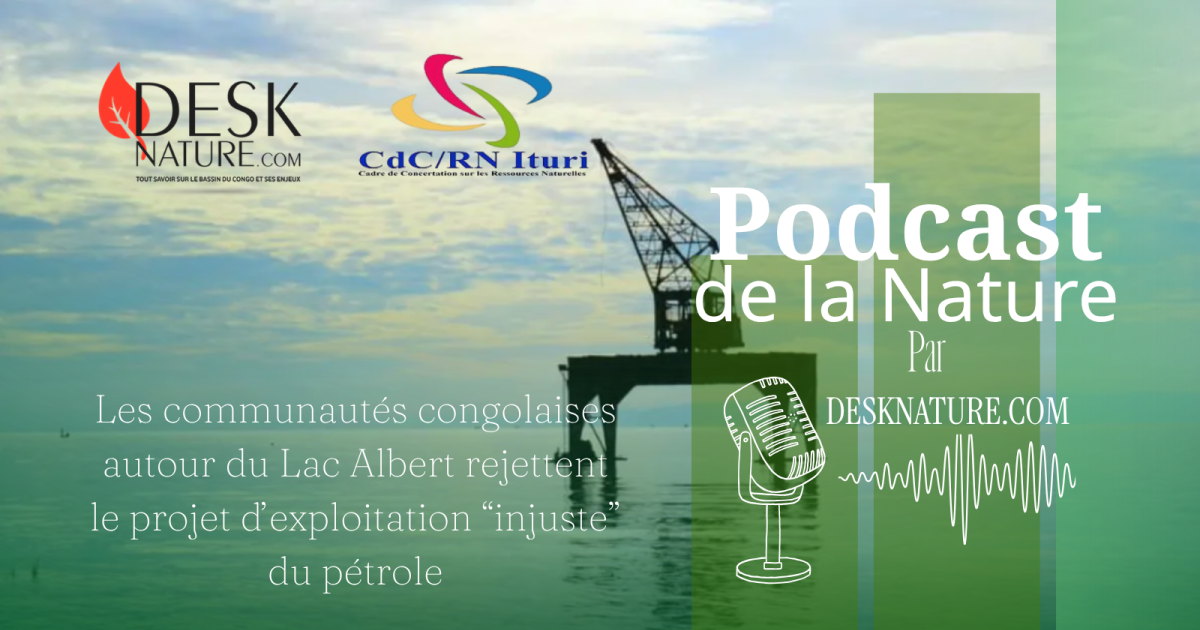
Kasenyi Communities: Oppose Albertine Graben Oil DRC Exploitation
Summary
- Communities in Kasenyi, Ituri Province, Democratic Republic of Congo, oppose oil exploitation in the Albertine Graben.
- They have urged the Congolese state to abandon all related oil projects in the region.
- The communities describe the proposed oil exploitation as inherently "unjust."
- This opposition was reported on Friday, October 23, 2026.
What Happened
The explicit opposition from the Kasenyi communities to oil exploitation in the Albertine Graben carries significant implications for both the Congolese government and any extractive companies contemplating or currently involved in projects within the region.
The communities residing in Kasenyi, located within the Irumu territory of the Ituri Province in the Democratic Republic of Congo, have publicly voiced their strong disapproval of planned oil exploitation activities in the Albertine Graben. Their collective stance, reported on Friday, October 23, 2026, calls for the Congolese government to completely abandon any and all projects related to oil extraction in this ecologically sensitive and resource-rich region. This significant Kasenyi Irumu oil protest highlights growing local discontent.
This opposition from the Kasenyi communities opposing Albertine Graben oil DRC stems from their perception of the exploitation as inherently "unjust." While the specific grievances detailing this injustice were not elaborated upon in the initial report, the sentiment underscores a fundamental disagreement with the current approach to resource development. Such declarations from local populations often signal deeper concerns regarding environmental impact, equitable benefit sharing, and respect for traditional land rights.
Legal and Regulatory Context
The Albertine Graben, a geological rift valley straddling the border between the Democratic Republic of Congo and Uganda, is recognized as a region with substantial hydrocarbon potential. Consequently, it has been a focal point for DRC oil exploration dispute and development initiatives by the Congolese state, which holds sovereign rights over its natural resources. However, the pursuit of these projects often intersects with the established rights and livelihoods of local communities, creating complex legal and social challenges.
In the Democratic Republic of Congo, the legal framework for resource extraction typically involves state-granted concessions to companies, often with provisions for environmental impact assessments and community consultations. Yet, the effectiveness and fairness of these processes are frequently contested by affected populations. The Albertine Graben community rights are central to this ongoing debate, as communities seek to ensure their voices are heard and their interests protected amidst large-scale industrial operations. This context is crucial for understanding the Ituri oil exploitation opposition articulated by the Kasenyi communities.
Why This Matters
The explicit opposition from the Kasenyi communities to oil exploitation in the Albertine Graben carries significant implications for both the Congolese government and any extractive companies contemplating or currently involved in projects within the region. Such public declarations of "unjust" exploitation can escalate into broader Democratic Republic of Congo resource conflict, potentially leading to project delays, increased operational costs, and reputational damage for all stakeholders.
For legal professionals advising companies in the extractive sector, this development underscores the critical importance of robust and transparent stakeholder engagement. Ignoring or inadequately addressing community concerns, particularly those related to perceived injustice, can lead to substantial social license risks and potential legal challenges grounded in community rights. The call by the Kasenyi communities opposing Albertine Graben oil DRC for the state to abandon projects serves as a clear indicator that future oil development in this area will face intense scrutiny and require meticulous attention to local perspectives and equitable practices.
Practical Implications
Lawyers advising extractive companies operating or planning projects in the DRC, particularly in the Albertine Graben, should note this escalating community opposition. This signals increased social license risks, potential for legal challenges based on community rights, and the need for robust stakeholder engagement strategies to avoid project delays or outright cancellation.
Source
How does this affect you?
Get an AI analysis of this article grounded in your jurisdictions, practice areas, and any policy documents you've uploaded to Wansom.
Finish Reading the Full Story and the Expert Analysis.
Get the latest legal & regulatory intelligence in DR Congo
Wansom is AI and can make mistakes.