
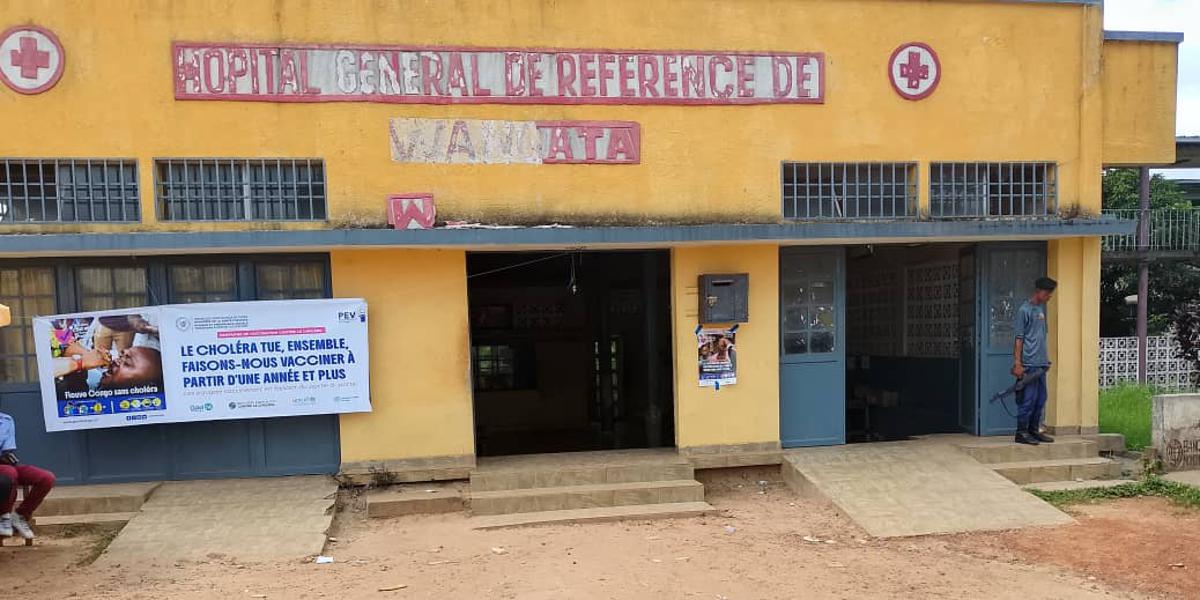
Mbandaka: Grève Agents Santé Choléra Participeront Campagne Vaccination
Summary
- Healthcare workers in Mbandaka, DRC, agreed on November 2 to participate in a cholera vaccination campaign despite an ongoing strike.
- This decision was made as a humanitarian response to an unprecedented and severe cholera epidemic causing deaths in the region.
- The vaccination campaign is scheduled to run from November 6 to November 15, covering 15 of 18 affected health zones.
- Alain Lingoma, coordinator of the health inter-union, confirmed that national leadership approved this temporary participation.
- The general strike in the Équateur province's health sector remains active, with health facilities and administrative offices still closed.
A Critical Decision Amidst Crisis
This exceptional measure was deemed a humanitarian necessity, given the severe cholera epidemic currently ravaging the city and its surrounding areas, a situation described as unprecedented by local health officials.
Nurses and other healthcare professionals in Mbandaka, Democratic Republic of Congo, have committed to participating in a crucial cholera vaccination drive, despite an ongoing strike that has paralyzed the health sector across Équateur province. This decision, reached on Tuesday, November 2, followed an extraordinary meeting of the seven health sector unions operating in Mbandaka. The vaccination campaign itself is slated to run from November 6 to November 15. This exceptional measure was deemed a humanitarian necessity, given the severe cholera epidemic currently ravaging the city and its surrounding areas, a situation described as unprecedented by local health officials.
Alain Lingoma, who coordinates the Équateur health inter-union, confirmed that the unions sought and received approval from their national leadership in Kinshasa. This authorization specifically permits healthcare personnel to engage in the vaccination efforts aimed at halting the disease's spread. Lingoma emphasized the dire situation, noting that deaths have been recorded in treatment centers located in Bolenge, Wangata, and Mbandaka. The primary objective of this participation in the "Mbandaka campagne vaccination choléra" is to save lives and break the chain of transmission within affected communities.
Strike Continues, Humanitarian Aid Prioritized
Despite the agreement to assist with the vaccination efforts, the broader "Grève agents santé Mbandaka choléra" movement remains firmly in place. Lingoma explicitly clarified that this humanitarian intervention does not signify a suspension of the ongoing labor action. Healthcare workers, including "RDC grève infirmiers choléra", are permitted to join the vaccination teams only if they are specifically selected for the task, with the understanding that their overall strike action is not being called off. This nuanced approach underscores a commitment to community welfare while continuing to press for their demands.
The general strike continues to impact the region significantly, with health centers, hospitals, and administrative offices across Équateur province remaining closed. This situation highlights the complex balance between workers' rights and the urgent needs of a population facing a severe public health crisis. The decision represents a temporary, targeted exception to the strike, driven solely by the immediate humanitarian imperative to combat the cholera outbreak.
Vaccination Efforts and Broader Implications
The door-to-door "Mbandaka campagne vaccination choléra" is designed to cover fifteen of the eighteen health zones within Équateur province that have been affected by the epidemic. Health authorities are hopeful that this focused intervention will substantially reduce the disease's propagation and offer protection to the most vulnerable populations. This development illustrates a practical precedent for managing labor disputes in essential services during public health emergencies, particularly concerning "Droits du travail urgence sanitaire".
The agreement reached by the "intersyndicale santé" in Mbandaka, under the coordination of Alain Lingoma, demonstrates a potential pathway for addressing critical public health needs without fully abandoning workers' rights to strike. This situation could inform future negotiations on strike protocols or essential service provision during crises, especially in regions prone to epidemics. The careful distinction between ongoing strike action and humanitarian participation sets a notable example for managing such delicate situations.
Practical Implications
This development illustrates a practical precedent for managing labor disputes in essential services during public health emergencies. Lawyers advising healthcare unions or institutions in the DRC should note this humanitarian exception for critical public health interventions, which could inform future negotiations on strike protocols or essential service provision during crises.
Source
How does this affect you?
Get an AI analysis of this article grounded in your jurisdictions, practice areas, and any policy documents you've uploaded to Wansom.
Wansom is AI and can make mistakes.