
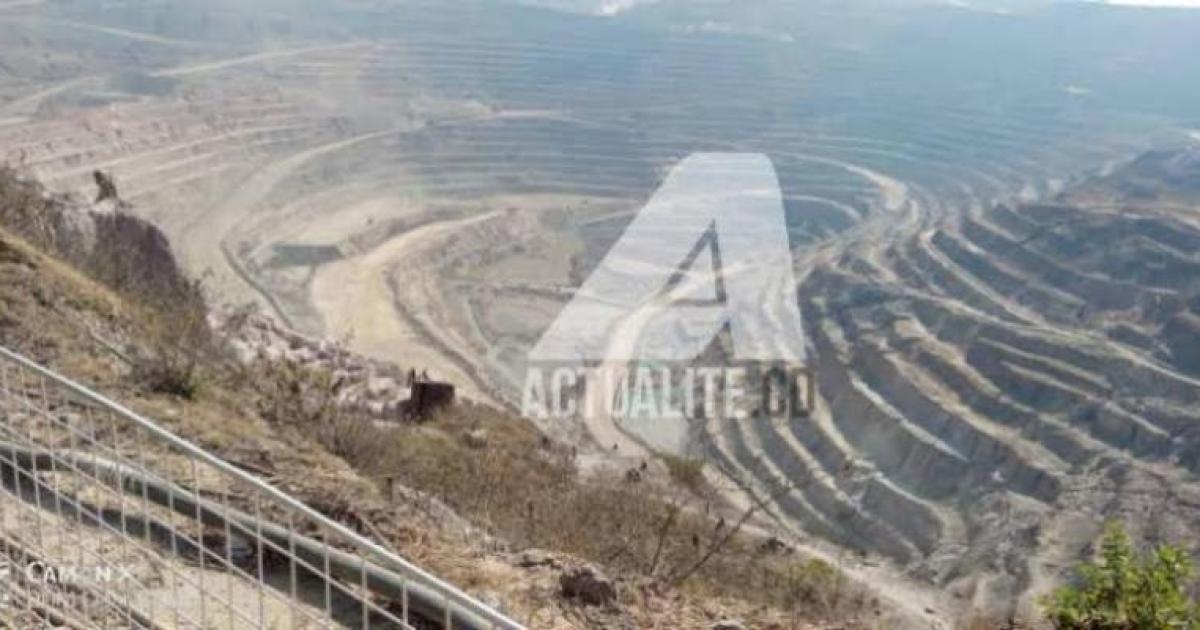
DR Congo: CCR Supports Formalization of Musompo Mineral Trading Center
The Centre de Recherche Géologique et Minière (CCR) in the Democratic Republic of Congo (DRC) announced on November 26, 2026, its support for national and provincial authorities in the formalization and structuring of the Musompo Mineral Trading Center, signaling a concerted effort to enhance regulatory oversight in the country's vital mining sector. This initiative aims to bring greater transparency and order to mineral trading activities, which are often characterized by informal practices and illicit flows, particularly in regions rich in strategic minerals. The CCR's involvement underscores a commitment to strengthening governance and ensuring that mineral resources contribute more effectively to national development. The specific details of the formalization and structuring plan, including timelines and key performance indicators, are not yet reported, but the announcement itself indicates a significant policy direction.
For legal practitioners and businesses operating in the DRC's mining sector, this development is highly significant as it portends increased regulatory scrutiny and potentially new compliance requirements for mineral trading. The formalization of trading centers like Musompo is a critical step towards combating illegal mining and trade, improving traceability, and ensuring adherence to international standards such as those related to responsible sourcing and conflict minerals. Companies involved in mineral extraction, processing, and export will need to closely monitor the evolving regulatory landscape and adapt their operational procedures to align with the new framework. This could involve enhanced due diligence, stricter record-keeping, and potentially new licensing or certification processes for traders and intermediaries.
The legal context for this initiative is rooted in the DRC's mining code (Law No. 007/2002, as amended by Law No. 18/001 of 2018) and its implementing regulations, which govern the exploration, exploitation, processing, and commercialization of mineral substances. The code emphasizes the state's sovereign rights over mineral resources and aims to maximize their contribution to the national economy while promoting environmental protection and social responsibility. The CCR, as a public scientific and technical establishment, plays a crucial role in geological and mining research, providing expertise that informs policy and regulatory decisions. The involvement of both national and provincial authorities highlights the multi-level governance structure in the DRC, where provincial governments have significant responsibilities in implementing national policies and managing local resources.
Key parties involved include the CCR, which provides technical and scientific support, and the national and provincial authorities responsible for policy formulation and enforcement. While specific ministries or departments are not named in the excerpt, it can be inferred that the Ministry of Mines, provincial mining divisions, and potentially other relevant government agencies are collaborating on this effort. The ultimate beneficiaries are intended to be the state, through increased revenue and better resource management, and local communities, through more formalized and potentially safer economic activities.
Attorneys advising clients in the DRC's mining sector should closely monitor the specific decrees, regulations, and guidelines that will emerge from this formalization process. Businesses should proactively review their supply chain due diligence practices, particularly concerning mineral sourcing from areas like Musompo, to ensure compliance with anticipated new requirements. It is advisable to engage with local legal counsel to understand the nuances of provincial implementation and to prepare for any necessary adjustments to operational licenses, trading permits, and compliance frameworks. Staying abreast of these developments will be crucial to mitigate legal and reputational risks and to capitalize on opportunities arising from a more structured and transparent mineral trading environment.
How does this affect you?
Get an AI analysis of this article grounded in your jurisdictions, practice areas, and any policy documents you've uploaded to Wansom.
Finish Reading the Full Story and the Expert Analysis.
Get the latest legal & regulatory intelligence in DR Congo
Wansom is AI and can make mistakes.